
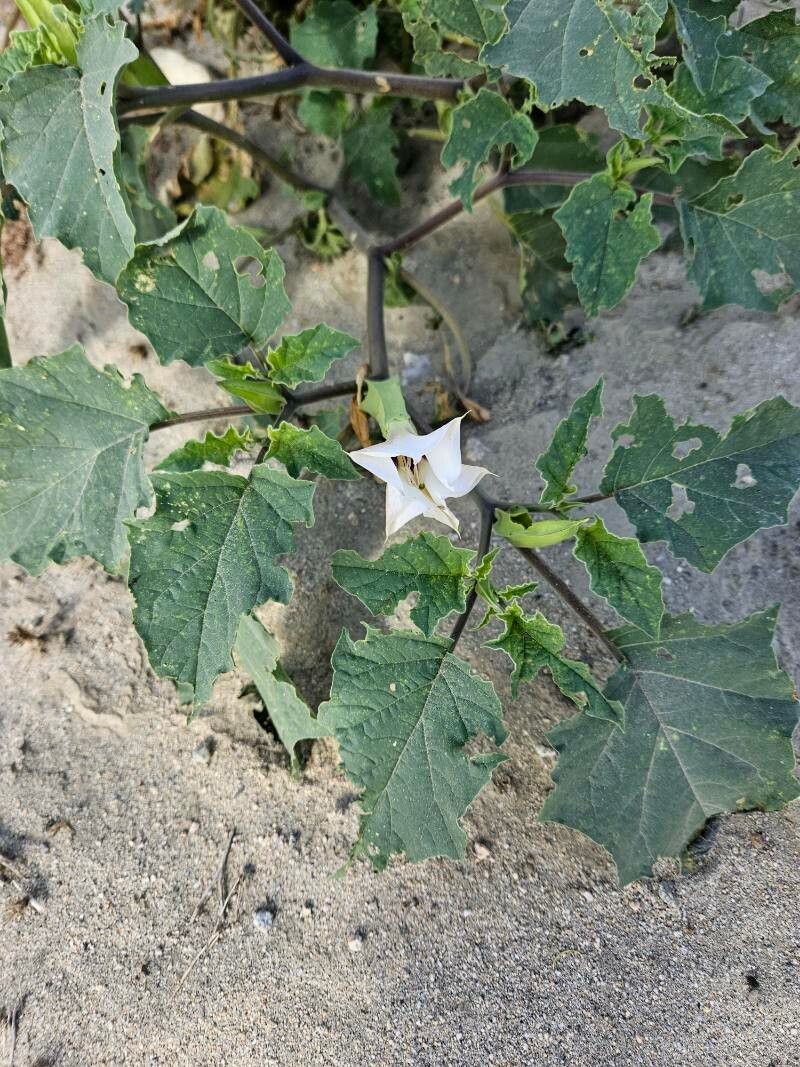
Unlocking the Secrets of Datura discolor: A Propagation Guide
Datura discolor, also known as the Desert Thorn-apple, is a captivating plant with its large, trumpet-shaped flowers that unfurl under the moonlight. Native to the southwestern United States and Mexico, this fast-growing annual thrives in arid environments. If you’re looking to add a touch of desert charm to your garden, propagating Datura discolor is easier than you might think. This guide delves into the different methods to multiply your Datura collection and enjoy its ethereal beauty year after year.
The Power of Seeds: Embracing the Cycle of Life
The most common and rewarding way to propagate Datura discolor is through seeds. Follow these steps to nurture these tiny vessels of life into thriving plants:
Seed Collection: As the Datura discolor flowers fade, they give way to spiny seed pods. Wait for these pods to turn brown and dry on the plant before collecting them. Inside, you’ll find numerous small, black seeds.
Sowing Time: For best results, sow your seeds indoors 6-8 weeks before the last expected frost. This provides a head start and ensures the plants have ample time to establish themselves once transplanted outdoors.
Sowing Depth and Medium: Use a well-draining seed starting mix and sow the seeds about ¼ inch deep. Mist the soil gently and keep it consistently moist but not waterlogged.
Warmth and Light: Datura discolor seeds thrive in warmth. Place your seed trays in a warm location with temperatures around 70-75°F (21-24°C). Adequate light is crucial, so ensure they receive bright, indirect sunlight or supplement with grow lights.
- Transplanting Time: Once the seedlings develop a few sets of true leaves and the threat of frost has passed, harden them off gradually by introducing them to outdoor conditions for increasingly longer periods. When the seedlings are sturdy enough, transplant them to their permanent location in the garden.
Exploring Alternatives: Cuttings for Quicker Results
While seed propagation is the most common method, Datura discolor can also be propagated through cuttings. This method is faster and allows you to create clones of your existing plant, ensuring identical characteristics:
Timing is Key: Take cuttings from healthy, new growth during the spring or early summer. Look for stems that are about 4-6 inches long and haven’t yet flowered.
Making the Cut: Use a sharp, clean knife or pruning shears to make a cut just below a leaf node. Remove the leaves from the bottom two inches of the cutting.
Encouraging Root Development: Dip the cut end of the stem in rooting hormone powder to stimulate root growth (optional but recommended). Plant the cuttings in a well-draining potting mix, burying at least one leaf node.
Creating a Humid Environment: Cover the cuttings with a plastic bag or humidity dome to create a warm, moist environment essential for root development. Place them in a bright location but out of direct sunlight.
- Patience is a Virtue: It may take several weeks for the cuttings to root. Once the roots have developed and new growth emerges, gradually acclimate the plants to outdoor conditions before transplanting them to their permanent location.
A Note of Caution: Remember that all parts of Datura discolor are toxic if ingested. Always wear gloves when handling the plant and keep it away from children and pets.
By following these simple steps, you can easily propagate Datura discolor and add a touch of captivating beauty to your outdoor space. Whether you choose seeds or cuttings, you’ll be rewarded with stunning flowers that grace your garden with their ephemeral charm.