
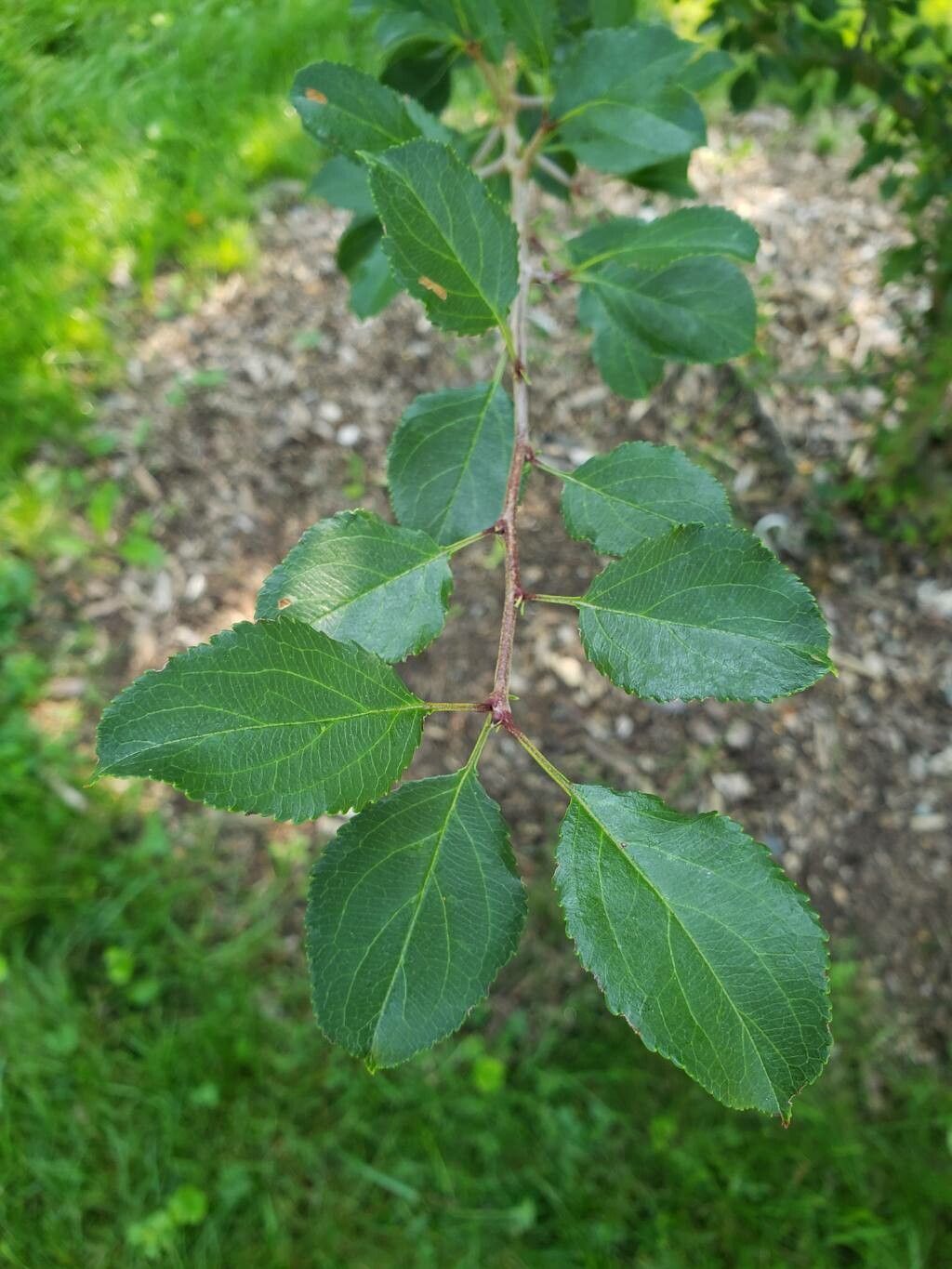
Unlocking the Secrets of the Wild Apple: Propagating Malus spontanea
The Malus spontanea, more commonly known as the European crab apple, is a tree steeped in history and brimming with wild beauty. This ancestor of our beloved cultivated apple varieties offers not only stunning spring blossoms and vibrant autumn fruits but also a captivating link to the past. If you dream of welcoming this ancient tree into your garden, understanding its propagation is key.
While Malus spontanea can sometimes be found in nurseries specializing in heritage varieties, propagating your own offers a rewarding journey of discovery and a deeper connection with this remarkable species. Here’s a look at the most effective methods:
Method 1: Seed Propagation – Embracing the Beauty of Unpredictability
Growing Malus spontanea from seed is an adventure for the patient gardener. It’s important to remember that apples are not “true to seed,” meaning the resulting tree might not perfectly replicate the parent plant. However, this element of surprise is part of the magic!
Harvesting Seeds: Collect ripe crab apples in the fall and extract the seeds. Cleanse them thoroughly, removing any remaining fruit pulp.
Stratification: Malus spontanea seeds need a period of cold treatment to break dormancy. Place the seeds in a moist medium like vermiculite or sand within a sealed bag, then refrigerate for 8-10 weeks.
Sowing: In spring, plant the stratified seeds in seed trays or pots filled with well-draining potting mix. Sow them about 1/2 inch deep and keep the soil consistently moist.
- Patience is Key: Germination can take several weeks. Once seedlings emerge and are large enough to handle, transplant them into individual pots to continue growing.
Method 2: Cuttings – Cloning Your Favorite Tree
For more predictable results and to replicate the characteristics of a specific Malus spontanea, cuttings are the way to go.
Timing is Crucial: Take hardwood cuttings in late fall or early winter when the tree is dormant. Look for healthy, one-year-old shoots.
Preparing Cuttings: Cut sections of the shoot, approximately 6-8 inches long, making the bottom cut just below a bud and the top cut about an inch above a bud.
Encourage Rooting: Dip the bottom end of each cutting into rooting hormone powder to stimulate root development.
Planting the Cuttings: Insert the cuttings into a pot filled with a well-draining rooting mix, burying at least a third of their length.
Creating a Humid Environment: Cover the pot with a plastic bag or use a propagation dome to retain moisture and promote rooting.
- Transplanting Success: After a couple of months, gently tug on the cuttings – resistance means they have rooted! Transplant them into individual pots and allow them to grow for a year before planting them out in their permanent location.
Nurturing Your Malus spontanea
Whether you choose seeds or cuttings, your Malus spontanea will thrive in full sun and well-drained soil. Water your young trees regularly, especially during dry periods, and fertilize them annually in the spring with a balanced fertilizer.
Propagating your own Malus spontanea is a rewarding endeavor, connecting you with the fascinating world of plant propagation and giving life to a tree with a rich history. With patience and care, you can enjoy the beauty of this wild apple for generations to come.