
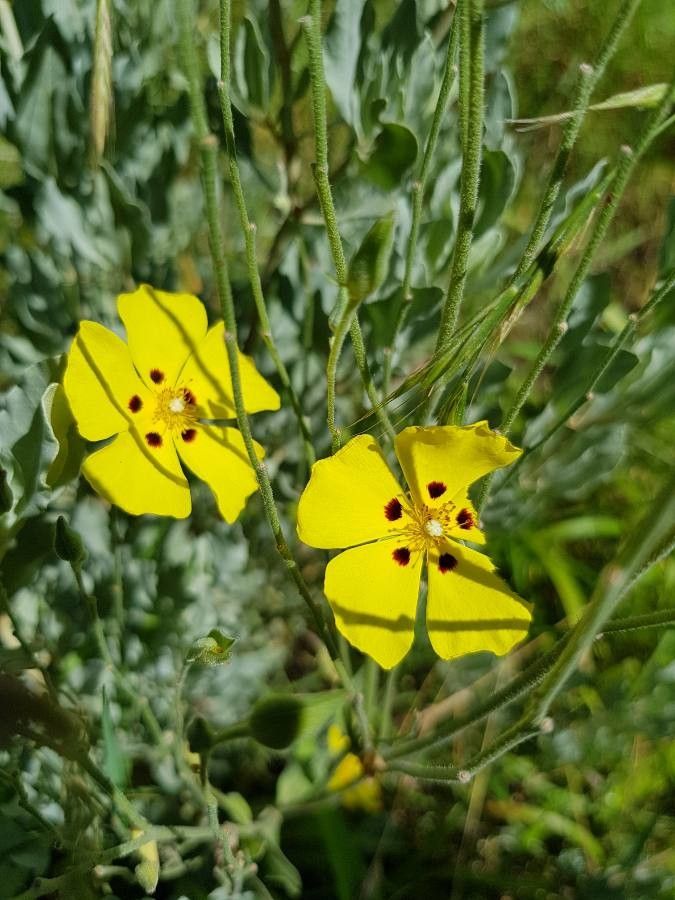
Sun-Kissed Secrets: Propagating the Hardy Cistus halimifolius
The Cistus halimifolius, also known endearingly as the “Sage-leaved Rock Rose,” is a Mediterranean delight. With its velvety, sage-like leaves and profusion of delicate, papery blooms, this sun-loving shrub brings a touch of the exotic to any garden. And while admirers often admire its beauty from afar, few realize just how simple it is to propagate this resilient beauty.
Whether you’re a seasoned gardener or just starting out, propagating your Cistus halimifolius can be a rewarding experience. In this guide, we’ll delve into two effective methods – growing from seed and taking cuttings – so you can multiply your sun-kissed treasures.
Method 1: Sowing Seeds of Success
Timing is Key: Spring, after the last frost, is the ideal time to sow your Cistus halimifolius seeds.
Steps:
- Preparation: Fill seed trays or pots with a well-draining seed starting mix.
- Sowing: Sprinkle the seeds thinly over the surface, ensuring they’re spaced apart. Lightly cover them with a fine layer of the mix (no more than twice the seed’s thickness).
- Warmth and Moisture: Water gently but thoroughly and place the trays in a warm, sunny location. If necessary, use a propagator or cover with a plastic dome to maintain humidity.
- Patience: Germination can be erratic, taking anywhere from a few weeks to a couple of months. Keep the soil consistently moist but not waterlogged.
- Thinning: Once the seedlings have developed a couple of sets of true leaves, thin them out, leaving the strongest in each pot.
- Transplanting: When the seedlings are large enough to handle, transplant them into individual pots filled with a well-draining potting mix. Gradually acclimatize them to outdoor conditions before planting them in their final location after the last frost.
Method 2: Cuttings – A Shortcut to New Growth
Timing: Late summer or early autumn, when the plant’s growth is semi-hardwood, is the best time to take cuttings.
Steps:
- Selecting the Cutting: Choose a healthy, non-flowering stem that’s around 4-6 inches long.
- Taking the Cutting: Using a sharp, sterilized knife or pruning shears, make a clean cut just below a leaf node (where the leaf joins the stem).
- Preparing the Cutting: Remove the lower leaves, leaving only a few at the top. Dip the base of the cutting in rooting hormone (optional but recommended).
- Planting the Cutting: Insert the cutting into a pot filled with a moist, well-draining rooting mix ( a mix of peat and perlite works well).
- Creating Humidity: Cover the pot with a clear plastic bag or use a propagator to create a humid environment.
- Patience and Observation: Place the cutting in a bright location, out of direct sunlight. Rooting can take several weeks. Check for root development by gently tugging on the cutting; resistance indicates roots are forming.
- Transplanting: Once roots are established, carefully transplant the rooted cutting into a larger pot or its final location in the garden.
Caring for Your New Propagations:
Cistus halimifolius, known for its resilience, requires minimal care. Provide well-draining soil, plenty of sunlight, and water only when the soil is dry to the touch. This drought-tolerant beauty will reward you with its stunning blooms year after year, a testament to your successful propagation efforts.