
Unlocking Immortality: Your Guide to Propagating Dischidia Immortalis
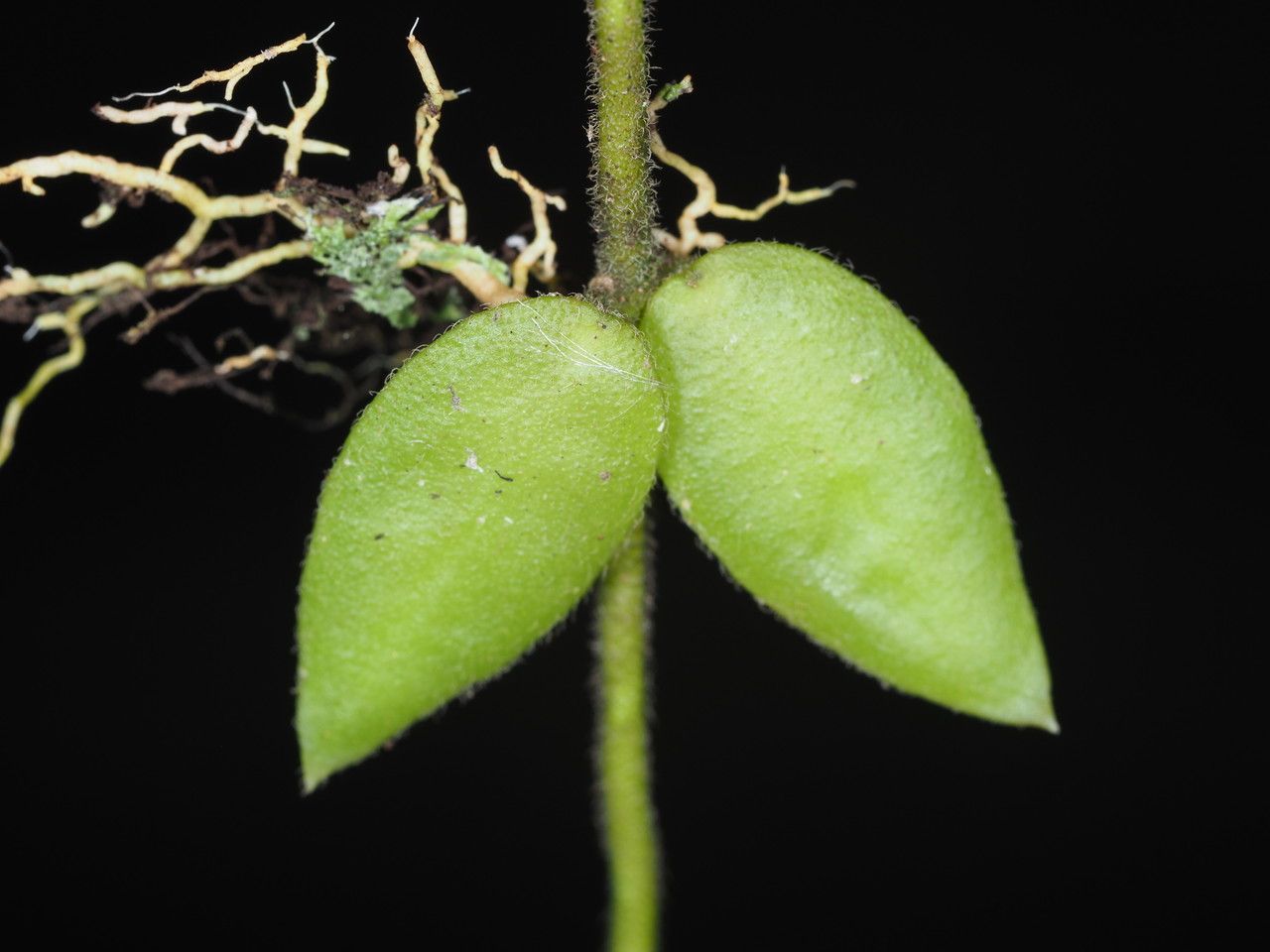
The Dischidia Immortalis, also known as the “Ant Plant” or “Million Hearts,” is a captivating epiphyte that wins hearts with its trailing foliage and intriguing, ant-attracting pouches. This low-maintenance beauty, native to the rainforests of Southeast Asia, isn’t just visually appealing; it’s surprisingly easy to propagate, allowing you to multiply your collection and share its charm.
This guide will unlock the secrets of propagating your Dischidia Immortalis, offering detailed instructions for both stem cuttings and air layering methods.
Propagation by Stem Cuttings:
This popular method offers a straightforward approach to creating new plants. Here’s what you need:
Materials:
- Sharp, sterilized scissors or pruning shears: Cleanliness is crucial to prevent infections.
- Small pots or containers: Choose pots with drainage holes to avoid root rot.
- Well-draining potting mix: A blend formulated for succulents or orchids works best.
- Rooting hormone (optional): While not essential, it can accelerate root development.
Steps:
- Select healthy stems: Look for vigorous stems with at least 2-3 nodes (small bumps where leaves emerge).
- Take cuttings: Using your sterilized scissors, cut a stem segment about 3-4 inches long, just below a node. Remove any leaves from the bottom inch of the cutting.
- Optional: Rooting hormone: Dip the cut end of the stem into rooting hormone, following product instructions.
- Potting the cuttings: Insert the cuttings into the prepared pots, burying the bottom node in the potting mix. Gently firm the soil around the cutting.
- Water and care: Water the cuttings generously, allowing excess water to drain. Place the pots in a warm, brightly lit location, avoiding direct sunlight. Maintain humidity by misting regularly or using a humidity tray.
Timeline: Roots typically develop within 4-6 weeks. You’ll know your cuttings are successful when you see new growth.
Propagation by Air Layering:
This method, though less common, is highly effective and mimics the plant’s natural growth habit in the wild.
Materials:
- Sphagnum moss: Soak the moss in water until fully saturated.
- Plastic wrap or a small zip-top bag: Choose a size that comfortably fits around the stem section.
- Twine or plant ties (optional): For securing the wrap.
Steps:
- Choose a healthy stem: Select a mature stem with several nodes.
- Prepare the stem: Gently wound the stem by making a small, upward cut about halfway through the stem, below a node. You can also gently scrape the stem to expose the cambium layer (the green layer beneath the bark).
- Apply the moss: Wrap the wounded area with a generous amount of damp sphagnum moss, ensuring it completely encircles the wound.
- Secure the wrap: Use plastic wrap or a zip-top bag to tightly enclose the moss. Secure it with twine or plant ties for added stability.
- Monitor and care: Keep the moss consistently moist. You should start to see roots forming within the moss wrap in a few weeks.
- Separate and pot: Once a robust root system has developed, carefully cut the stem below the new roots and pot the newly rooted section in a well-draining potting mix.
Timeline: Root development may take 4-8 weeks.
Enjoy Your Propagation Journey:
Propagating your Dischidia Immortalis is a rewarding experience, allowing you to expand your plant family and deepen your connection with this fascinating species. With patience and these simple techniques, you’ll be well on your way to cultivating a thriving collection of these unique and beautiful plants.