
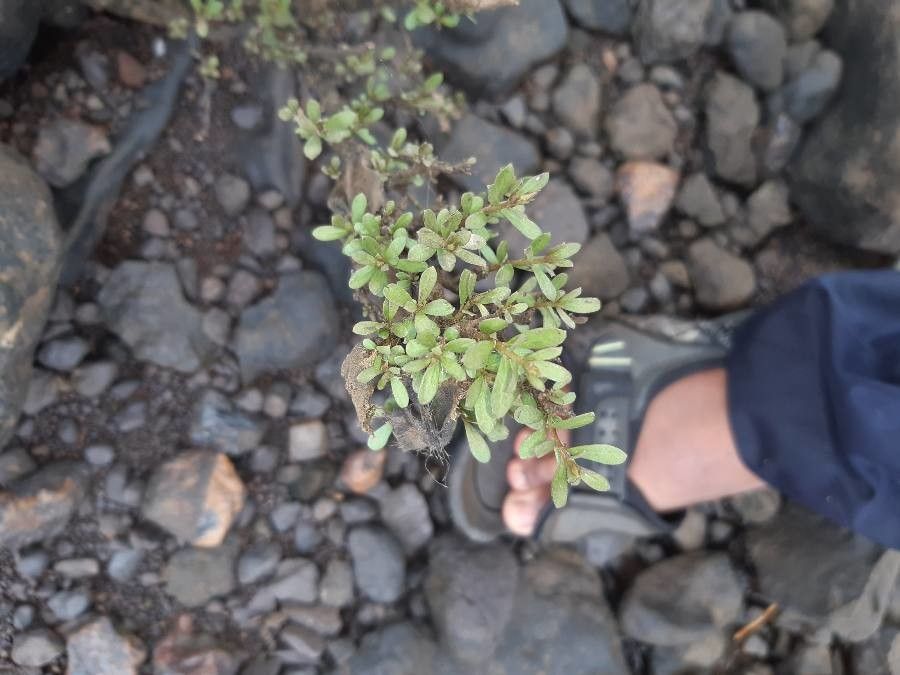
Unlocking the Secrets of Water Rotula: A Guide to Propagation
The Water Rotula (Rotula aquatica), a captivating aquatic plant native to India and Southeast Asia, is a sight to behold. Known for its vibrant green foliage and delicate white to pale blue flowers, this resilient species brings life and beauty to ponds, streams, and even aquariums. Whether you’re an experienced gardener or just starting your green journey, propagating Water Rotula is a rewarding endeavor. This guide delves into the fascinating world of Water Rotula propagation, equipping you with the knowledge to cultivate this stunning plant.
Understanding Water Rotula’s Life Cycle
Before diving into propagation techniques, it’s crucial to understand the natural life cycle of Water Rotula. As an aquatic plant, it thrives in shallow, slow-moving water bodies with high humidity levels. These conditions create the perfect environment for both sexual and asexual reproduction.
Sexual Reproduction (Seeds): While less common in cultivation, Water Rotula produces small, berry-like fruits that contain seeds. These seeds, when dispersed, have the potential to germinate and develop into new plants.
- Asexual Reproduction (Cuttings): The most effective and widely used method for Water Rotula propagation is through cuttings. This involves taking a portion of a healthy stem and encouraging it to develop roots, ultimately growing into a new, independent plant.
Mastering the Art of Water Rotula Propagation from Cuttings
Here’s a step-by-step guide to successfully propagate Water Rotula using cuttings:
Select Healthy Stem Cuttings: Choose a vigorous, disease-free stem from a mature Water Rotula plant. Ideally, the cutting should be around 4-6 inches long and have at least 2-3 nodes (the points on the stem where leaves emerge).
Prepare the Cutting: Using a sharp, sterilized knife or pruning shears, make a clean cut just below a node. Remove any leaves from the bottom inch of the cutting, as these will be submerged in water and may rot.
Choose Your Rooting Medium: Water Rotula cuttings can root readily in water or a moist growing medium. If using water, ensure it’s clean and change it every few days to prevent stagnation. Alternatively, prepare a pot with a well-draining potting mix suitable for aquatic plants.
Plant the Cutting: Place the cutting in the chosen rooting medium, ensuring that at least one node is submerged. If using soil, gently press the mix around the stem to provide support.
Provide Optimal Conditions: Position the cutting in a location with bright, indirect sunlight. Maintain humidity levels around the cutting by misting it regularly or covering the pot with a transparent plastic bag to create a mini greenhouse effect.
- Be Patient and Observe: Root development usually takes 2-4 weeks. You’ll know your cutting has successfully rooted when you see new growth emerging from the nodes.
Transplanting Your Water Rotula
Once your Water Rotula cutting develops a healthy root system and shows signs of new growth, it’s time to transplant it. Choose a permanent location, whether a pond, aquarium, or a larger pot with an aquatic environment. Gently remove the cutting from its rooting medium, being careful not to damage the delicate roots, and plant it in its new home.
Enjoy the Beauty and Benefits
Propagating Water Rotula is not just about multiplying your plant collection; it’s about appreciating the wonders of plant life and contributing to the biodiversity of our ecosystems. This remarkable plant not only adds visual appeal to its surroundings but also plays a crucial role in improving water quality and providing habitat for aquatic creatures. By mastering the art of propagation, you’re not simply growing a plant, but nurturing a piece of nature’s remarkable tapestry.