
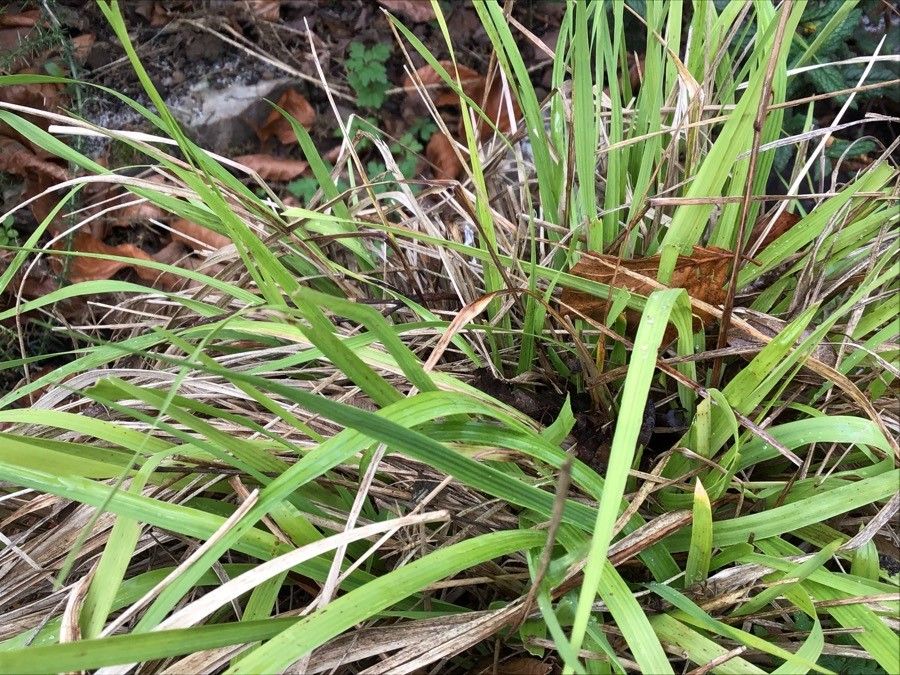
Propagating Arrhenatherum longifolium: Challenges and Rewards of Cultivating the Long-Leaved Oatgrass
Arrhenatherum longifolium, commonly known as long-leaved oatgrass, is a striking ornamental grass prized for its elegant, arching foliage and attractive seed heads. Its robust nature and ability to thrive in a range of conditions have made it a popular choice among gardeners seeking low-maintenance, visually appealing additions to their landscapes. However, propagating this grass presents unique challenges. Understanding these challenges and the various propagation methods available is crucial for successful cultivation.
Seed Germination:
Currently, there are no known reliable methods for seed germination propagation of Arrhenatherum longifolium. While the plant does produce seeds, germination rates are notoriously low and inconsistent, making this method impractical for most gardeners. Further research into specific stratification techniques or other pre-treatment methods might be necessary to improve germination success, but currently, relying on seed propagation is not recommended.
Cuttings:
Propagating Arrhenatherum longifolium from cuttings is also unreliable. Unlike some grasses, this species does not readily root from stem cuttings. Attempts at propagation using basal or softwood cuttings have shown limited success. The challenges include low rooting rates even under optimal conditions (e.g., humidity domes, rooting hormones). Furthermore, the cuttings are susceptible to fungal diseases. Therefore, this method is not a practical approach for most home gardeners.
Division:
Division is the most reliable and commonly used method for propagating Arrhenatherum longifolium. Established clumps can be divided in early spring or autumn. The process involves carefully digging up the mature clump, separating it into smaller sections, each with a healthy portion of roots and foliage, and replanting these sections.
Challenges: The main challenge lies in carefully separating the rhizomes without damaging them, as this can hinder the establishment of new plants. Overly small divisions will struggle to establish themselves.
Tips: Use a sharp, clean spade or knife to minimize damage. Plant the divisions immediately in well-prepared soil. Water thoroughly after planting.
Rewards: Division ensures the propagation of genetically identical plants, preserving desirable traits. It is a relatively simple and high-success-rate method, making it ideal for gardeners of all experience levels. It’s also a quick way to increase your stock.
Tissue Culture:
While theoretically possible, tissue culture propagation of Arrhenatherum longifolium is not a commonly employed method. It requires specialized equipment, sterile conditions, and expertise in plant tissue culture techniques. It offers the benefits of large-scale propagation and disease-free plantlet production, but the significant investment in resources and specialized knowledge makes it unsuitable for most gardeners. The challenges involved outweigh the rewards for the average home cultivator.
Conclusion:
Propagating Arrhenatherum longifolium presents unique challenges. While seed germination and cuttings offer minimal success, division provides the most reliable and practical approach for the home gardener. Tissue culture offers potential but demands specialized skills and resources. The reward for successfully propagating this elegant grass lies not only in expanding your garden but also in overcoming the challenges inherent in cultivating such a species. The satisfaction derived from nurturing a healthy clump from a small division or successfully establishing a new plant through any method is a testament to horticultural persistence and patience. For most gardeners, focusing on the reliable division method will offer the greatest chance of success and the most rewarding experience in adding more of this beautiful grass to their gardens.