
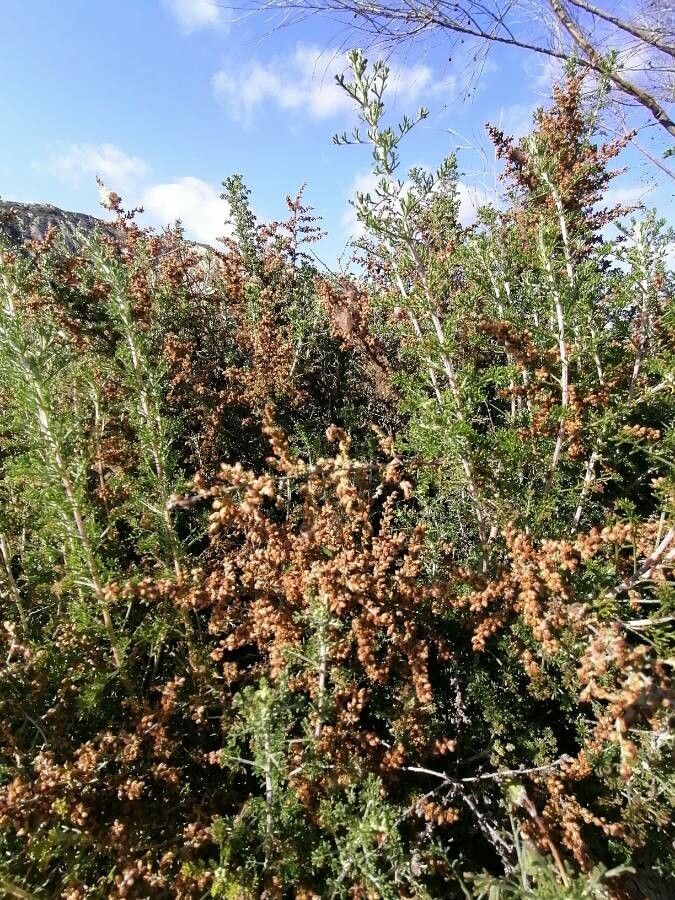
Propagating Artemisia herba-alba: A Guide to Cultivating the White Wormwood
Introduction:
Artemisia herba-alba, commonly known as white wormwood, is a resilient, aromatic shrub prized for its silvery-grey foliage and drought tolerance. This hardy perennial, native to the Mediterranean region, is increasingly popular among gardeners seeking low-maintenance, ornamental plants suitable for xeriscaping or creating textured contrasts in borders. Its unique, almost ethereal appearance, combined with its medicinal and culinary uses (though caution is advised due to its potential toxicity if ingested), makes it a desirable plant to propagate. However, its propagation presents certain challenges, making success all the more rewarding.
Seed Germination:
Currently, there are no known reliable methods for seed germination propagation of Artemisia herba-alba. While seeds may be produced, their germination rate is notoriously low, and inconsistencies make this method impractical for consistent propagation. Further research into specific seed treatment and germination conditions may be required to unlock the potential of this method.
Cuttings:
Cuttings offer a more reliable method for propagating Artemisia herba-alba.
Challenges: Rooting can be slow and inconsistent, especially if proper techniques aren’t followed. The success rate depends heavily on the timing (ideally, semi-hardwood cuttings in late spring/early summer), the medium (a well-draining mix is crucial), and the provision of appropriate humidity.
Practical Tips: Take semi-hardwood cuttings, approximately 4-6 inches long, from healthy, non-flowering stems. Remove lower leaves to prevent rot. Dip cut ends in rooting hormone before planting in a sterile, well-draining propagation mix (e.g., perlite and vermiculite). Maintain high humidity using a propagator or plastic bag. Patience is key, as rooting can take several weeks.
Rewards: Cuttings offer a relatively quick method of producing genetically identical plants, preserving desirable traits from the parent plant. This is efficient for expanding existing collections of a specific variety.
Division:
Division is a moderately successful method for propagating established Artemisia herba-alba plants.
Challenges: Division is only feasible for mature plants with well-developed root systems. Care must be taken to avoid damaging the roots during the process, which can hinder the establishment of new plants. Divisions should be large enough to ensure their viability.
Practical Tips: Divide the plant in early spring or autumn when the plant is dormant. Use a sharp, clean tool to carefully separate the root ball into sections, ensuring each division has sufficient roots and shoots. Replant the divisions immediately in well-prepared soil, ensuring adequate spacing.
Rewards: Division is straightforward and provides a relatively high success rate. It’s a simple and effective method for propagating a limited number of plants.
Tissue Culture:
Tissue culture presents a potential, albeit advanced, method for propagating Artemisia herba-alba.
Challenges: Tissue culture requires specialized equipment, sterile conditions, and expertise in plant tissue culture techniques. It’s not a method accessible to most home gardeners. The development of optimal media and protocols for Artemisia herba-alba might require preliminary experimentation.
Practical Tips: This method is best left to professional nurseries or research laboratories with the necessary facilities and expertise.
Rewards: Tissue culture offers the potential for rapid, large-scale propagation, generating disease-free clones, and preserving rare or endangered genetic material.
Conclusion:
Propagating Artemisia herba-alba presents a spectrum of challenges and rewards. While seed germination remains unreliable, cuttings and division provide more accessible and successful options. Tissue culture holds great potential but requires specialized resources. The unique satisfaction of successfully propagating this beautiful and resilient plant comes from overcoming these inherent difficulties. The patience required, coupled with the eventual success of seeing new plants emerge, provides a profound sense of horticultural accomplishment. For aspiring propagators, we recommend starting with cuttings – a manageable technique offering a high reward for effort expended. With persistence and attention to detail, you can enjoy the beauty and versatility of Artemisia herba-alba in your garden.