
Propagating Arum orientale: The Challenges and Rewards of Cultivating this Striking Plant
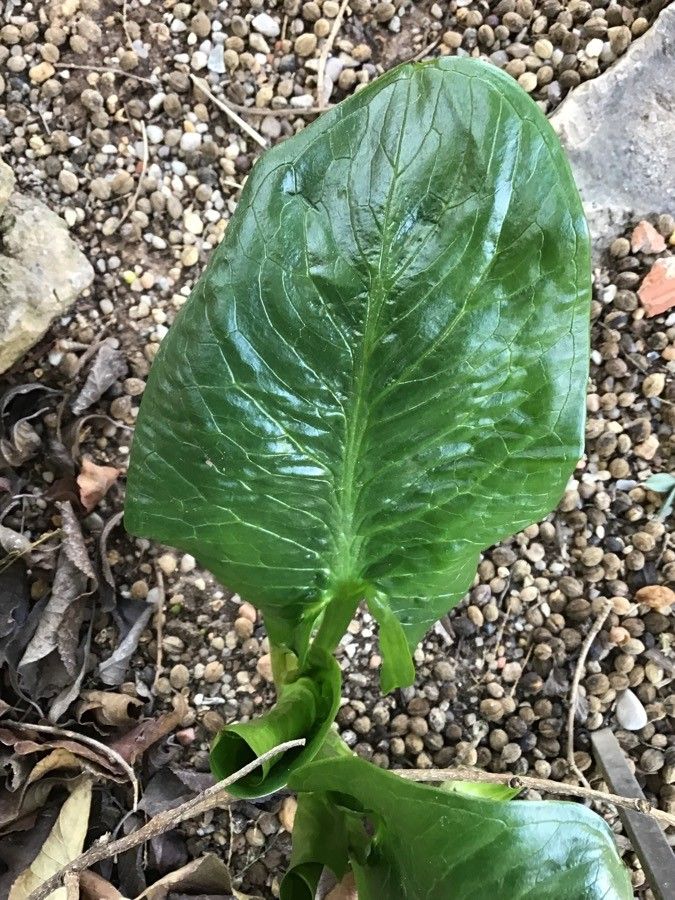
Arum orientale, commonly known as the Eastern arum or Levant arum, is a captivating perennial boasting striking, hooded inflorescences that stand out dramatically against its dark green foliage. Its unique beauty, coupled with relative ease of care (once established), has earned it a place in many gardeners’ hearts. However, propagating this intriguing plant presents unique challenges. This article explores various propagation methods, weighing their viability and potential rewards.
Seed Germination:
Currently, there are no known reliable methods for seed germination propagation of Arum orientale. While the plant does produce seeds, germination rates are reportedly extremely low, and successful germination in a home or garden setting is rarely documented. This is likely due to complex germination requirements, potentially involving specific microbial interactions within the soil or extended periods of dormancy that are difficult to replicate artificially.
Cuttings:
Cuttings are also not a viable method for propagating Arum orientale. Arum plants don’t readily root from stem or leaf cuttings, unlike some other aroid species. Attempts at propagation via cuttings generally result in failure due to the plant’s physiological limitations and susceptibility to rotting.
Division:
Division is the most reliable and practical method for propagating Arum orientale. This involves carefully separating the established corms (underground stems) of a mature plant.
Challenges: The optimal time for division is usually during the plant’s dormant period (late summer/early autumn). Care must be taken to avoid damaging the corms, which can lead to rot and failure. Each section should contain several healthy buds or eyes for successful growth.
Practical Tips: Use a sharp, clean knife or trowel to divide the clump. Allow the divided corms to callus over for a few hours before replanting. Plant the divisions in well-draining soil amended with organic matter in a location with partial shade.
Rewards: Division provides a quick and efficient means of increasing the number of plants, often resulting in a higher success rate compared to other methods. It also preserves the genetic characteristics of the parent plant.
Tissue Culture:
Tissue culture is potentially viable but is not a readily accessible method for the average gardener.
Challenges: Tissue culture requires specialized equipment, a sterile environment, and a detailed understanding of plant tissue culture techniques. Establishing a protocol for Arum orientale would require considerable research and expertise.
Practical Tips: This method would involve sterilizing corm or shoot tissue and culturing it on a nutrient-rich medium under controlled conditions to induce the development of new plantlets.
Rewards: Tissue culture offers the potential for large-scale propagation and disease-free plants. It also allows for the preservation of rare or valuable cultivars.
Conclusion:
Propagating Arum orientale presents distinct challenges. While seed germination and cuttings are impractical, division is the most reliable method for the home gardener. Tissue culture offers potential for large-scale multiplication but necessitates significant expertise and resources. The satisfaction of successfully propagating this unique plant through division, however, is significant. The careful division of a healthy corm, the careful handling to avoid damage, and the anticipation of its subsequent growth are rewarding elements of the process. Even with these difficulties, the beautiful dark green foliage and striking inflorescences make the effort well worthwhile for those willing to take on the task. For aspiring propagators of Arum orientale, patience, careful handling, and the right timing are key to success.