
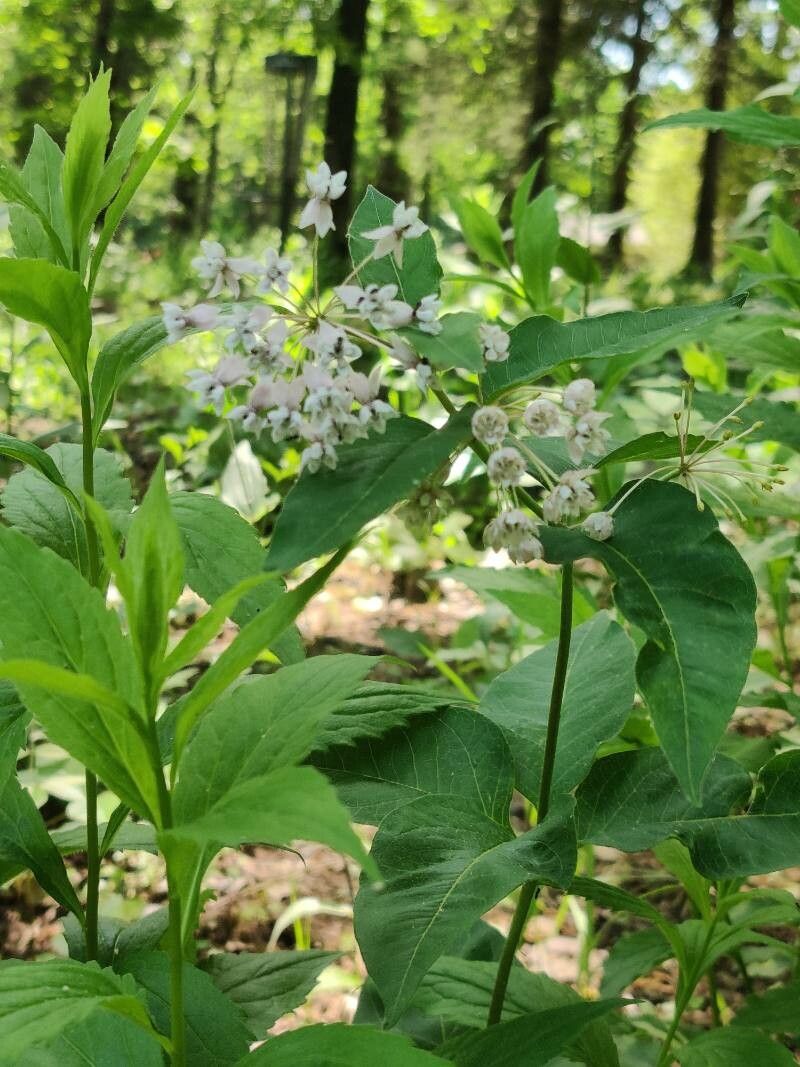
Propagating Asclepias quadrifolia: The Challenges and Rewards of Growing Milkweed
Asclepias quadrifolia, commonly known as four-leaved milkweed, is a charming native North American perennial prized for its delicate, creamy-white flowers and distinctive whorls of four leaves. Its understated elegance, coupled with its crucial role as a host plant for monarch butterflies, has made it increasingly popular among gardeners committed to supporting pollinators and native ecosystems. However, propagating this delightful plant presents several unique challenges. Let’s explore the different methods.
Seed Germination:
Currently, there are no known reliable methods for seed germination propagation of Asclepias quadrifolia. While seeds may be produced, their germination rate is notoriously low, and successful germination rarely occurs under typical horticultural conditions. Significant research has not yielded consistent success with standard stratification techniques or other germination treatments. Therefore, relying on seed germination for propagating this species is not recommended.
Cuttings:
Propagating Asclepias quadrifolia from cuttings presents moderate challenges. While softwood cuttings taken in spring, from actively growing stems, have shown some success, the rooting rate is relatively low.
Challenges: Cuttings are susceptible to rot if not kept in consistently moist but well-drained conditions. The use of rooting hormone is recommended to increase the chances of success.
Practical Tips: Take cuttings approximately 4-6 inches long, removing lower leaves to prevent rotting. Plant cuttings in a moist, well-draining soilless mix within a humidity dome or propagator. Maintain consistent humidity and warmth (around 70-75°F). Careful monitoring is crucial to prevent both drying out and rot.
Rewards: Successful propagation via cuttings offers a relatively quick means of multiplying existing plants, preserving the genetic characteristics of the mother plant. It’s ideal for smaller-scale propagation efforts.
Division:
Division is the most reliable and successful method for propagating Asclepias quadrifolia.
Challenges: This method requires an established mature plant to be dug up, carefully divided into sections with healthy roots and shoots, and replanted. Improper division can damage the plant, leading to its failure to thrive.
Practical Tips: The best time to divide four-leaved milkweed is in early spring or fall. Use a sharp, clean spade to carefully separate the plant into sections, ensuring each division has sufficient roots and multiple growing points. Replant divisions immediately, ensuring adequate spacing for growth.
Rewards: Division offers a high success rate compared to other methods, producing multiple plants rapidly. It’s a relatively simple technique, ideal for gardeners with existing Asclepias quadrifolia plants.
Tissue Culture:
Tissue culture propagation of Asclepias quadrifolia is possible but generally beyond the scope of the average home gardener. It involves specialized equipment, sterile techniques, and expertise in plant tissue culture.
Challenges: This is a complex, technically demanding, and expensive process requiring advanced laboratory equipment and sterile conditions.
Practical Tips: This method is best left to specialized nurseries or research institutions with the resources and expertise in tissue culture techniques.
Rewards: Tissue culture allows for rapid multiplication of plants and offers a way to produce disease-free plants on a large scale. However, the high setup costs and specialized skillsets involved make this impractical for home gardeners.
Conclusion:
Propagating Asclepias quadrifolia poses unique challenges, especially when attempting seed germination. Division emerges as the most practical and reliable method for most gardeners, offering a high rate of success with minimal specialized equipment. While cuttings show promise, they require attentive care and patience. Tissue culture is a powerful, albeit complex option, better suited for commercial or research settings. The effort required, however, is handsomely rewarded by the satisfaction of nurturing these beautiful and ecologically important plants, contributing to the vibrant biodiversity of your garden and supporting vital monarch butterfly populations. Don’t be discouraged by potential setbacks; perseverance is key to success in cultivating this charming milkweed.