
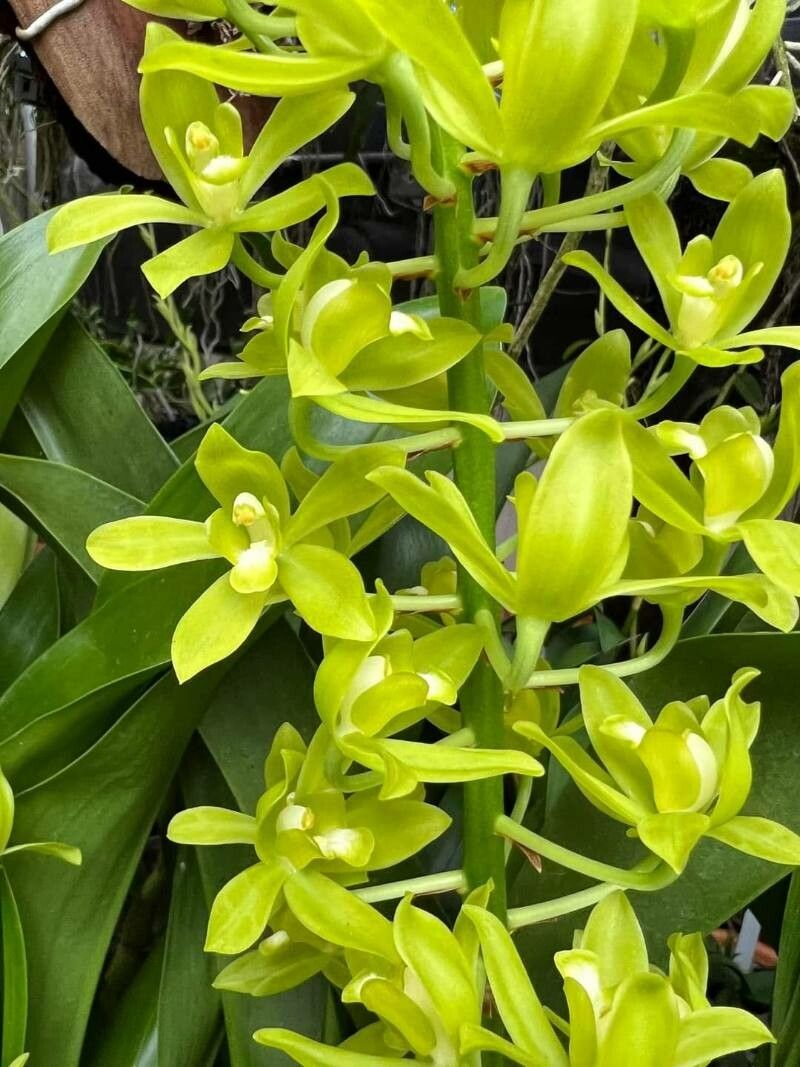
Unlocking the Secrets of Dendrobium closterium Propagation: A Guide to Multiplying Your Orchid
The Dendrobium closterium, with its charming, antelope-like blooms, is a true jewel in the orchid world. If you’re lucky enough to have one gracing your home, you’re probably eager to learn the art of propagation, multiplying your floral treasures. Fear not, fellow orchid enthusiasts, for we’re about to unlock the secrets of successfully propagating this captivating species!
Understanding the Dendrobium closterium
Before diving into propagation, let’s understand what makes this orchid tick. Native to Southeast Asia, Dendrobium closterium thrives in warm, humid environments with bright, indirect light. They are epiphytic orchids, meaning they naturally grow on trees, drawing moisture and nutrients from the air and rainfall. This knowledge guides us towards replicating their natural growing conditions for successful propagation.
Propagation Methods: Choosing Your Path
Dendrobium closterium offers a couple of propagation methods, each with its own advantages:
1. Keiki Division:
“Keiki” is Hawaiian for “baby,” and these are essentially miniature plants that sprout from the nodes along the cane of a mature orchid. Keikis are nature’s way of propagation, and they offer a relatively straightforward method.
- Timing is Key: Wait until the keiki has developed a healthy root system, ideally at least 2-3 inches long, before separating it from the mother plant.
- Gentle Separation: Carefully detach the keiki using sterilized shears, ensuring a clean cut.
- Potting Up: Plant the keiki in a well-draining orchid mix, providing support with a stake if needed. Maintain warmth and humidity, and watch your little one flourish!
2. Back Bulb Propagation:
Back bulbs are older, leafless canes on the Dendrobium closterium. While they might appear dormant, they hold the potential for new life.
- Selecting the Candidate: Choose a healthy back bulb that is plump and firm.
- Creating the Ideal Environment: Place the back bulb horizontally on a bed of moist sphagnum moss within a container, ensuring good air circulation.
- Patience is Paramount: This method requires patience as it might take several weeks or even months for new growth to emerge from the nodes of the back bulb.
Essential Tips for Success:
- Cleanliness is Key: Sterilize your cutting tools with rubbing alcohol to prevent the spread of diseases.
- Optimal Growing Medium: Choose a well-draining orchid mix, specifically formulated for epiphytic orchids.
- Light and Humidity are Crucial: Provide bright, indirect light and maintain high humidity levels around the propagating plant.
- Watering Wisely: Water sparingly, allowing the medium to dry out slightly between waterings. Avoid overwatering, which can lead to root rot.
- Fertilize Regularly: Use a diluted orchid fertilizer every few weeks during the growing season to provide essential nutrients.
Embracing the Journey of Propagation
Propagating your Dendrobium closterium is an immensely rewarding experience, allowing you to multiply your collection and witness the miracle of new life firsthand. Remember, patience and meticulous care are your allies in this journey. So, put on your gardening gloves, embrace the process, and watch with anticipation as your new orchid propagations flourish!