
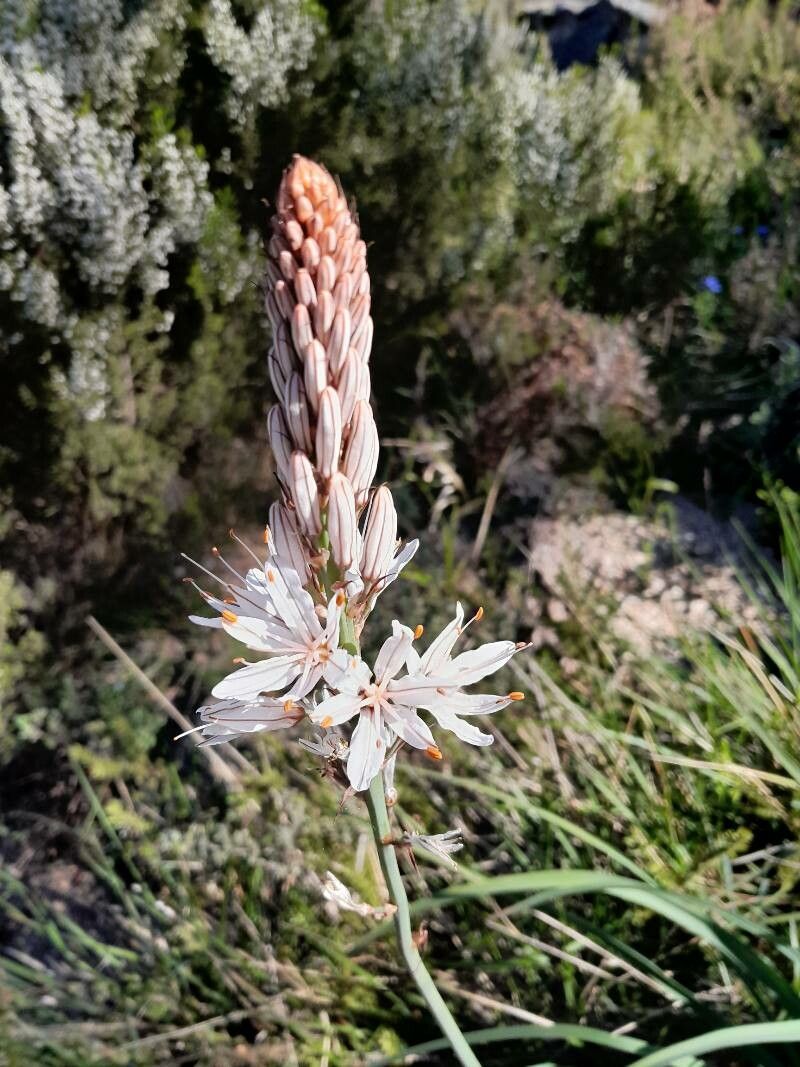
Propagating the Portuguese Asphodel: A Gardener’s Guide to Asphodelus lusitanicus
Introduction:
Asphodelus lusitanicus, commonly known as the Portuguese Asphodel, is a striking perennial boasting elegant, grass-like foliage and tall, elegant flower spikes adorned with starry white blooms. Its drought tolerance and ability to thrive in poor soils make it a popular choice for gardeners seeking low-maintenance, attractive additions to their landscapes, particularly in Mediterranean-style gardens or xeriscapes. While relatively easy to maintain once established, propagation can present some unique challenges. This guide explores various propagation methods, highlighting their effectiveness and offering practical advice.
Seed Germination:
Currently, there are no known reliable methods for seed germination propagation of Asphodelus lusitanicus. While the plant produces seeds, germination rates are notoriously low, even under optimal conditions. Further research into specific stratification techniques or pre-treatment methods may reveal successful germination pathways in the future.
Cuttings:
Cuttings are not a viable propagation method for Asphodelus lusitanicus. This species lacks the readily available stem or leaf cuttings that readily root in other plants.
Division:
Division is the most reliable and commonly used method for propagating Asphodelus lusitanicus.
Challenges: The best time for division is during the plant’s dormant period, typically late autumn or early spring. Dividing the root clump can be challenging, as the roots are often quite tough and intertwined. Improper division can injure the plant, leading to failure.
Practical Tips: Carefully dig up the mature clump, ensuring you minimize root damage. Use a sharp, clean knife or spade to separate the clump into sections, each containing several healthy growing points. Replant the divisions immediately, ensuring adequate spacing between them. Water thoroughly after planting.
Rewards: Division offers a relatively quick way to increase the number of plants, ensuring genetic similarity to the parent plant. It is also a relatively low-cost method.
Tissue Culture:
Tissue culture propagation of Asphodelus lusitanicus is a possibility, but it requires specialized equipment, sterile conditions, and expertise in plant tissue culture techniques.
Challenges: Establishing aseptic conditions and selecting appropriate culture media are crucial for successful tissue culture. This is a more complex and expensive method than division.
Practical Tips: This method is best left to experienced plant tissue culture laboratories. Finding a lab familiar with working with Asphodelus species would be necessary.
Rewards: Tissue culture offers the potential for large-scale propagation and the production of disease-free plants.
Conclusion:
Propagating Asphodelus lusitanicus presents unique challenges. While seed germination proves unreliable and cuttings are ineffective, division offers a feasible and relatively straightforward approach for the home gardener. Tissue culture provides a potential avenue for mass propagation, but requires specialist expertise and resources. The rewards of successfully cultivating this beautiful perennial, particularly through the more challenging methods like division, far outweigh the difficulties. The sense of accomplishment in nurturing a small division into a thriving clump is a unique satisfaction. For aspiring propagators, I strongly recommend starting with the division method, mastering the technique, and then, if desired, exploring more advanced methods like tissue culture. With patience and the right approach, you can successfully propagate this charming addition to your garden.