
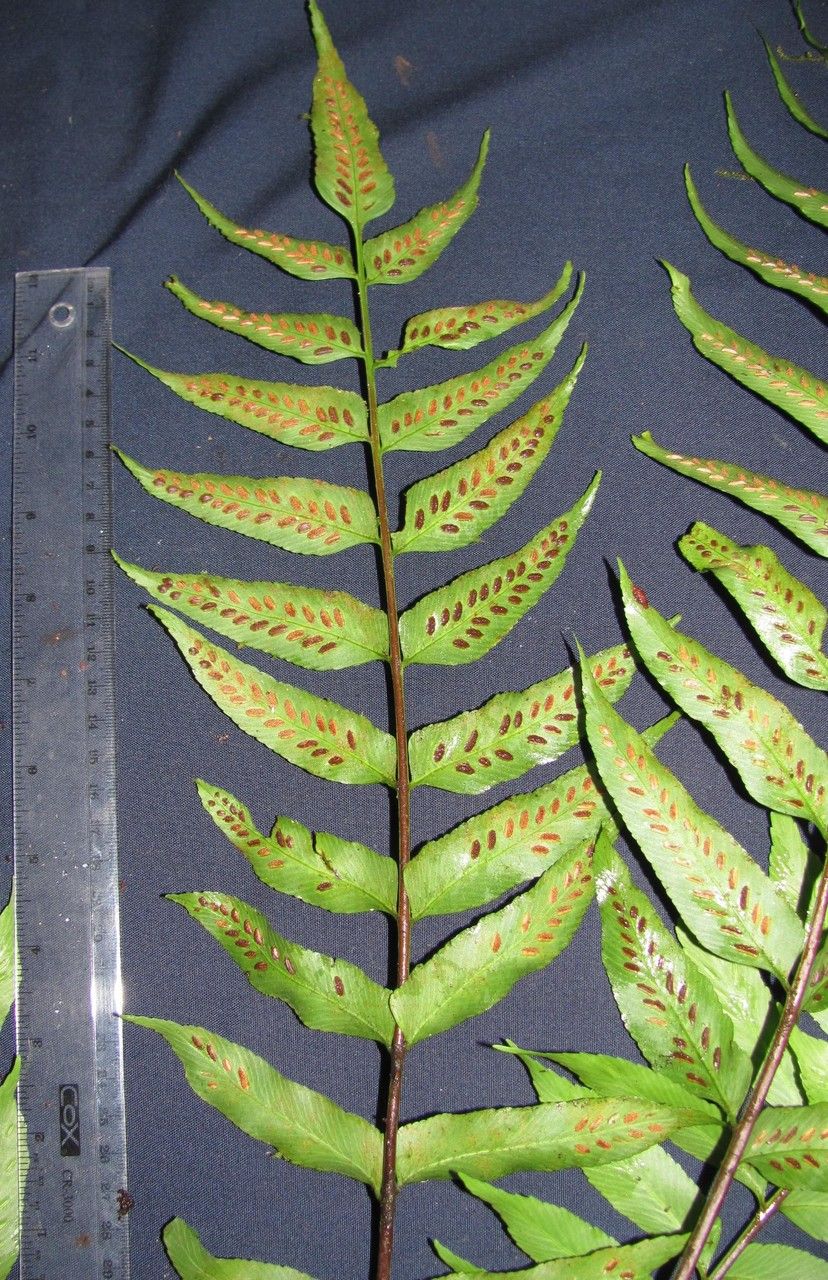
Propagating Asplenium feei: A Guide to Cultivating the Bird’s Nest Fern
Introduction:
Asplenium feei, commonly known as the Bird’s Nest Fern (although this common name is often applied to other Asplenium species), is a striking epiphytic fern prized for its attractive rosette of leathery, dark green fronds. Its architectural form and relatively low maintenance requirements have earned it a place in many homes and conservatories. However, propagation of Asplenium feei presents unique challenges compared to some other fern varieties. While it’s not commonly propagated from seed, several other methods offer varying degrees of success. The relatively slow growth of this fern makes successful propagation all the more rewarding.
Seed Germination:
Currently, there are no known reliable methods for seed germination propagation of Asplenium feei. Spore production in this species may be infrequent, and even if spores are obtained, germination rates are likely to be extremely low and unpredictable. Successful germination requires highly specialized and controlled environmental conditions, typically only achievable in a laboratory setting.
Cuttings:
Cuttings are not a viable method for propagating Asplenium feei. This fern does not readily produce adventitious roots from stem or frond cuttings.
Division:
Division is the most common and successful method for propagating Asplenium feei.
- Challenges: Asplenium feei doesn’t produce numerous offsets like some other ferns. Dividing the plant risks damaging the delicate rhizomes and fronds, potentially leading to the death of the parent plant or the newly divided portions. Careful consideration and a sharp, sterile knife are essential.
- Practical Tips: Divide the plant only when it’s actively growing, preferably in spring or early summer. Ensure each division has a healthy portion of rhizome and several fronds attached. Use a well-draining potting mix formulated for epiphytes, and keep the divided plants in a humid environment with indirect light until they are established.
- Rewards: Division offers a straightforward way to increase the number of Asplenium feei plants, preserving the genetic characteristics of the parent plant. This method is ideal for home gardeners with an established specimen.
Tissue Culture:
Tissue culture offers a potentially high-yield method for propagating Asplenium feei.
- Challenges: Tissue culture requires specialized equipment, sterile techniques, and a thorough understanding of plant tissue culture protocols. It’s not a method suitable for the average home gardener. The process can be expensive and time-consuming, requiring specific growth media and environmental controls.
- Practical Tips: This method is best left to nurseries and laboratories with the necessary resources and expertise.
- Rewards: Tissue culture allows for the large-scale propagation of Asplenium feei, ensuring the availability of plants for commercial purposes and conservation efforts. It also allows for the production of disease-free plants.
Conclusion:
Propagating Asplenium feei presents some significant challenges, primarily due to its limited spore production and its relative difficulty in being propagated via cuttings. Division remains the most accessible method for home gardeners, although care must be taken to avoid damaging the plant. Tissue culture is the most efficient but requires specialized resources. The rewards, however, are substantial. Successfully propagating this beautiful fern, whether through careful division or more technically advanced methods, is a testament to horticultural skill and provides a deep sense of satisfaction. For beginners, focusing on the division method provides a worthwhile entry point into the world of fern propagation. Patience and attention to detail are key to success with all methods. Don’t be discouraged by initial setbacks – the unique beauty of Asplenium feei makes the effort well worth it.