
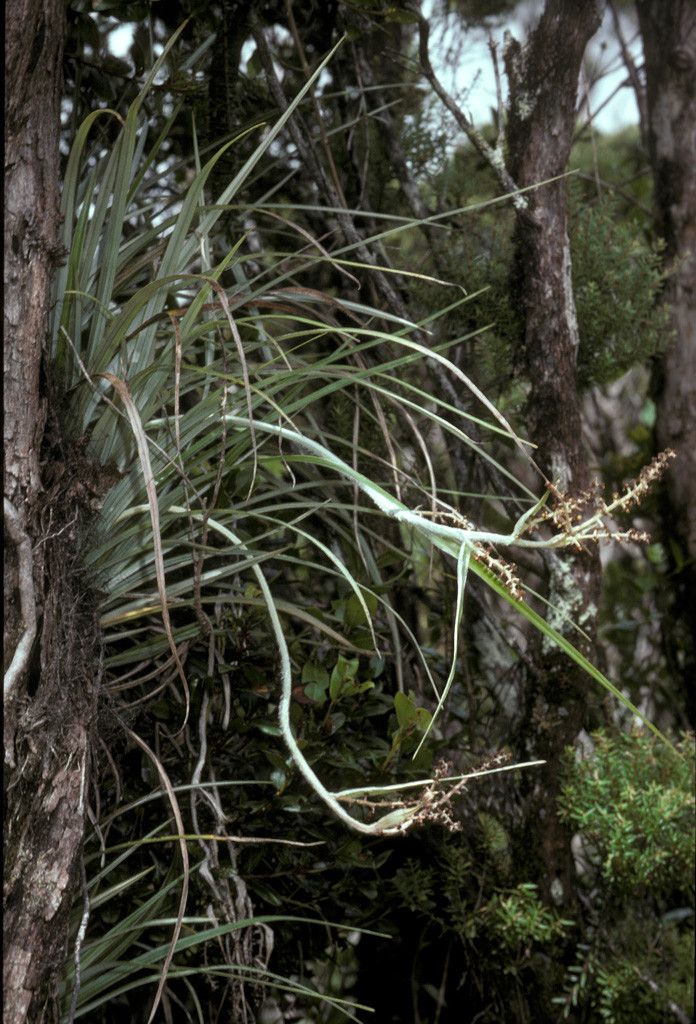
Propagating Astelia menziesiana: Unveiling the Secrets of the New Zealand Flax Lily
Introduction:
Astelia menziesiana, commonly known as the New Zealand flax lily, is a captivating evergreen perennial prized for its architectural foliage and striking inflorescences. Its sword-like, silvery-green leaves radiate from a central rosette, creating a dramatic focal point in gardens. The plant’s tolerance of varied conditions and its ability to thrive in both sun and shade contribute to its popularity among gardeners, making propagation a desirable skill for enthusiasts. However, propagating Astelia menziesiana presents unique challenges, as we will explore below.
Seed Germination:
Currently, there are no known reliable methods for seed germination propagation of Astelia menziesiana. While seeds are produced, germination rates are extremely low and unpredictable, even under controlled laboratory conditions. The hard seed coat and potentially complex dormancy requirements hinder successful germination. Therefore, seed propagation is not a practical method for the home gardener or even commercial propagators.
Cuttings:
Cuttings are also a challenging method for propagating Astelia menziesiana. While some limited success may be achieved with basal cuttings taken from strong, healthy plants, the success rate remains low.
Challenges: The slow rooting process, susceptibility to rot, and the need for high humidity and consistent warmth are all significant hurdles.
Practical Tips: If attempting cuttings, use a sharp, sterile blade to take basal cuttings (approximately 5-10cm long) including a small section of rhizome. Dip the cut end in rooting hormone. Plant in a well-draining, moist propagation mix, maintaining high humidity using a propagator or covering with a clear plastic bag. Position in bright, indirect light. Patience is key, as rooting can take several months.
Rewards: While difficult, successful propagation from cuttings can potentially preserve specific desirable traits from a parent plant.
Division:
Division is the most reliable and commonly used method for propagating Astelia menziesiana.
Challenges: Careful handling is essential to avoid damaging the roots and leaves. Large, established plants are needed for division.
Practical Tips: The best time for division is during the spring or early summer when the plant is actively growing. Gently dig up the plant and carefully separate it into smaller sections, each with its own root system and several leaves. Replant the divisions immediately, ensuring well-drained soil and adequate spacing. Water thoroughly following repotting.
Rewards: Division is relatively straightforward, resulting in a quick increase in the number of plants and maintaining the genetic characteristics of the parent plant.
Tissue Culture:
Tissue culture offers a potential, albeit highly specialized and technically demanding, method for propagating Astelia menziesiana.
Challenges: Tissue culture requires specialized equipment, sterile conditions, and expertise in plant tissue culture techniques. It’s not a feasible method for most home gardeners.
Practical Tips: This method is best left to commercial nurseries or research facilities equipped with the necessary resources.
Rewards: Tissue culture offers the potential for rapid large-scale propagation and the elimination of diseases. It also allows for the genetic conservation of rare or endangered varieties.
Conclusion:
Propagating Astelia menziesiana presents a unique set of challenges across all methods. While seed propagation is currently impractical, division offers the most reliable approach for the average gardener. Cuttings, though difficult, can yield rewards with careful technique and patience. Tissue culture remains a specialized approach reserved for professionals. The inherent difficulties involved, however, make the successful cultivation of this magnificent plant particularly rewarding. The satisfaction derived from witnessing these striking plants flourish, born from your own efforts, makes the challenges worthwhile. For aspiring propagators, remember patience, attention to detail, and a willingness to learn from setbacks are crucial for success.