
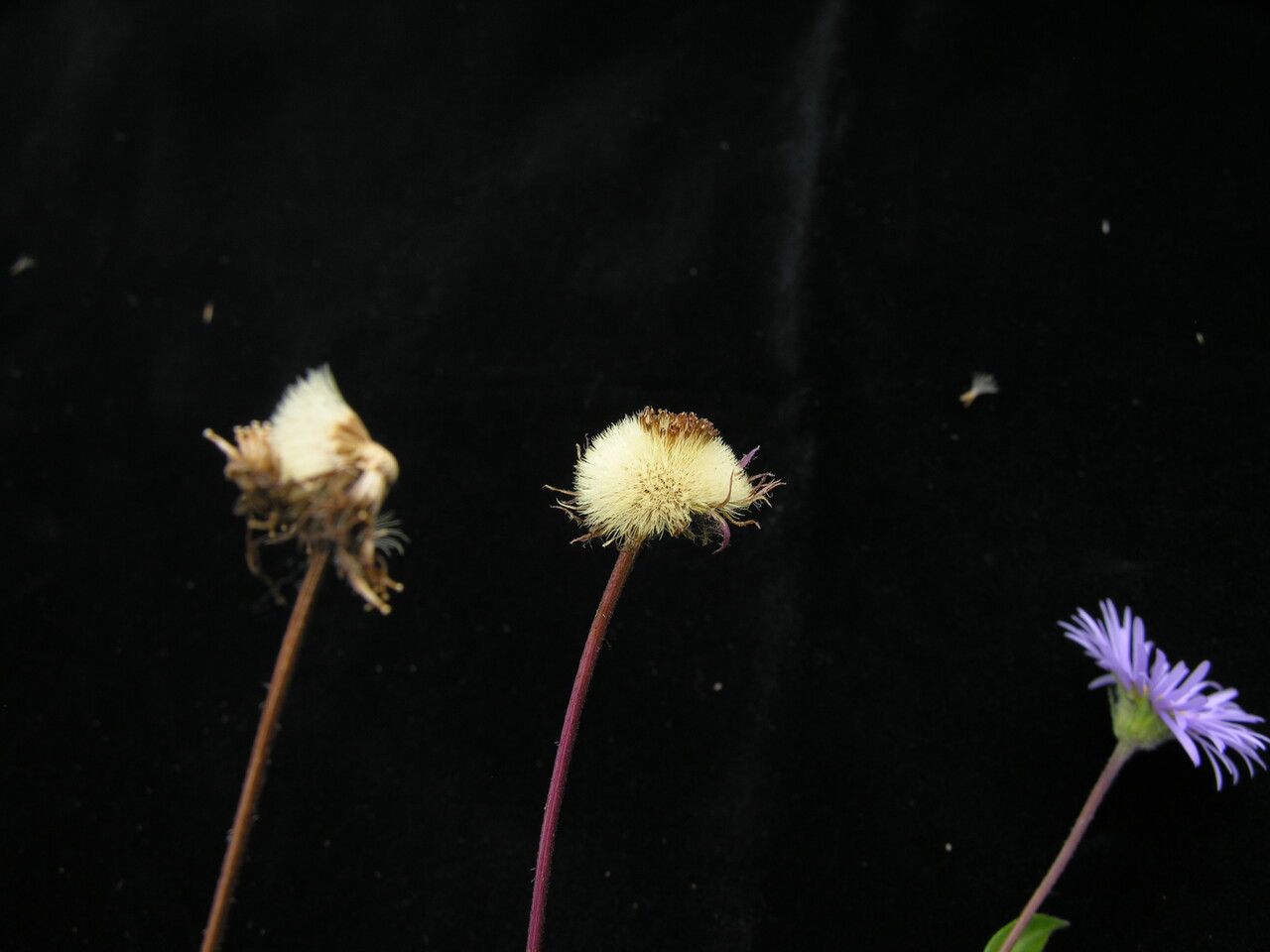
Propagating Aster indamellus: A Gardener’s Guide
Introduction:
Aster indamellus, commonly known as the Himalayan aster, is a prized herbaceous perennial boasting vibrant purple or lavender daisy-like flowers. Its late-season bloom adds a splash of colour to autumn gardens, making it a popular choice among gardeners who appreciate its hardiness and attractive foliage. While relatively easy to maintain once established, propagation can present some unique challenges, depending on the chosen method. Understanding these challenges and employing the right techniques is key to successfully expanding your Aster indamellus collection.
Seed Germination:
Currently, there are no known reliable methods for seed germination propagation of Aster indamellus. While seeds may be produced, germination rates are extremely low and inconsistent, making this method impractical for most gardeners. Further research into specific seed treatments or germination conditions might be needed to achieve reliable results.
Cuttings:
Challenges: Rooting success from stem cuttings can be moderate to low. The timing of the cutting process is crucial, and the cuttings may be susceptible to fungal diseases if not handled carefully.
Tips: Take semi-hardwood cuttings in late summer or early autumn. Use a sharp, clean knife or shears to avoid damaging the plant. Remove lower leaves from the cutting and dip the base in rooting hormone before planting in a well-draining propagation mix (e.g., peat moss and perlite). Maintain high humidity using a humidity dome or plastic bag, and ensure consistent moisture without overwatering.
Rewards: This method allows for the preservation of desirable traits from a parent plant, resulting in genetically identical offspring. It’s relatively straightforward once you have mastered the technique.
Division:
Challenges: Division is best undertaken in early spring or autumn when the plant is actively growing or entering dormancy. Improper division can damage the plant’s root system, leading to failure. Divisions need to be large enough to ensure successful establishment.
Tips: Carefully dig up the mature Aster indamellus plant. Use a sharp knife or spade to divide the root ball into smaller sections, each containing multiple growing points and healthy roots. Replant the divisions immediately, ensuring they are spaced appropriately for optimal growth. Water well after planting.
Rewards: Division is a quick, relatively simple and successful method for increasing the number of Aster indamellus plants, particularly for established specimens. It also allows for easier relocation of the plants to new areas within the garden.
Tissue Culture:
Challenges: Tissue culture is a specialized, laboratory-based propagation method requiring specialized equipment, sterile conditions, and expertise in plant tissue culture techniques. It is a complex and expensive method, not suitable for the average home gardener.
Tips: This method would involve culturing plant segments on a growth medium containing plant hormones to stimulate shoot and root formation. This is best left to professionals or specialized nurseries.
Rewards: Tissue culture provides the potential to rapidly multiply Aster indamellus plants, yielding a large number of genetically identical plants, particularly useful for commercial propagation or conservation efforts.
Conclusion:
Propagating Aster indamellus presents varying levels of success depending on the chosen method. While seed propagation is currently unreliable, both cuttings and division provide viable options, each with its own benefits and challenges. Tissue culture offers a high-yield alternative, though its complexity renders it inaccessible to most hobbyists. The rewards of successfully propagating this beautiful plant, however, are undeniable. Witnessing these vibrant blooms emerge from a cutting you took, or a division you carefully separated, provides a deep sense of accomplishment that far outweighs the effort involved. For the aspiring propagator, starting with division and then experimenting with cuttings is a logical path to cultivating your own thriving colony of Aster indamellus. Remember patience, proper technique, and keen observation are key to success in this rewarding pursuit.