
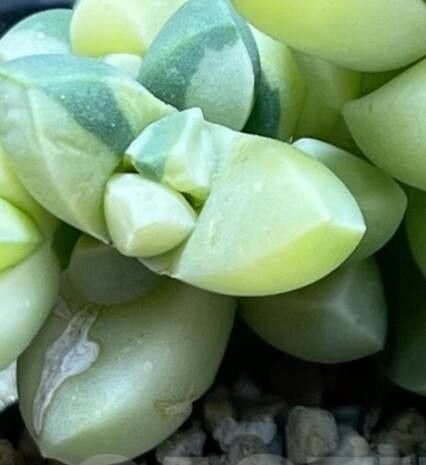
Propagating Astridia velutina: A Gardener’s Guide to a Velvet Treasure
Astridia velutina, also known as the velvet aster, is a captivating succulent prized for its velvety, grey-green leaves and charming, daisy-like flowers. Its unique texture and relatively low maintenance requirements have garnered it significant popularity amongst succulent enthusiasts. However, propagating this beauty can present some challenges. This article explores various methods – seed germination, cuttings, division, and tissue culture – to guide you through the process.
Seed Germination:
Currently, there are no known reliable methods for seed germination propagation of Astridia velutina. While the plant does produce seeds, the germination rate is reportedly extremely low, making this method impractical for the average gardener. Further research into germination techniques is needed to determine if successful propagation from seed is achievable.
Cuttings:
Cuttings offer a more viable method for propagating Astridia velutina. The best time for taking cuttings is during the active growing season (spring or summer).
Challenges: Successfully rooting cuttings can be slow. Rot is a significant risk, especially if cuttings are not allowed to callus properly before planting.
Practical Tips: Take stem cuttings about 5-7cm long, ensuring each cutting has a few leaf pairs. Allow the cut ends to callus over for a few days in a dry, shaded area. Plant the callused cuttings in a well-draining succulent potting mix, ensuring only the bottom leaf nodes are buried. Keep the soil slightly moist but not soggy. High humidity can improve rooting success; consider using a humidity dome or propagating under a plastic bag. Bottom heat can also speed up the rooting process.
Rewards: Cuttings offer a relatively quick and efficient method to increase the number of plants, preserving the exact genetic characteristics of the mother plant.
Division:
Division is another feasible propagation method, particularly for mature Astridia velutina plants.
Challenges: Care must be taken to avoid damaging the delicate roots during the division process. Smaller divisions may require extra care to ensure they establish themselves successfully.
Practical Tips: Carefully remove the plant from its pot. Gently separate the plant into smaller sections, ensuring each has its own healthy root system and several stems. Plant the divisions individually in well-draining succulent potting mix. Water sparingly until new growth appears.
Rewards: Division is a relatively straightforward method, and it is usually quicker than propagation from cuttings. It also allows you to increase your plant number while keeping its genetics consistent.
Tissue Culture:
Tissue culture provides a potential for large-scale propagation of Astridia velutina.
Challenges: Tissue culture requires specialized equipment, a sterile environment, and a good understanding of plant tissue culture techniques. It is not a feasible option for the home gardener.
Practical Tips: This method requires a laboratory setting and expertise in plant tissue culture protocols. Sterile media, growth regulators, and aseptic techniques are essential.
Rewards: Tissue culture allows for rapid and large-scale multiplication of plants, ensuring disease-free stock and offering potential for genetic improvement.
Conclusion:
Propagating Astridia velutina presents unique challenges, with seed germination proving unreliable at present. Whilst cuttings and division offer achievable methods for home propagators, mastering the art of successful rooting and avoiding rot requires patience and attention to detail. Tissue culture remains a viable, albeit specialized, option for mass production. The rewards, however, are significant: the satisfaction of successfully nurturing a cutting into a thriving plant or multiplying your treasured velvet aster provides a unique sense of accomplishment. Don’t be discouraged by initial setbacks; experiment with the above techniques, adapt them to your environment, and enjoy the journey of cultivating this captivating succulent.