
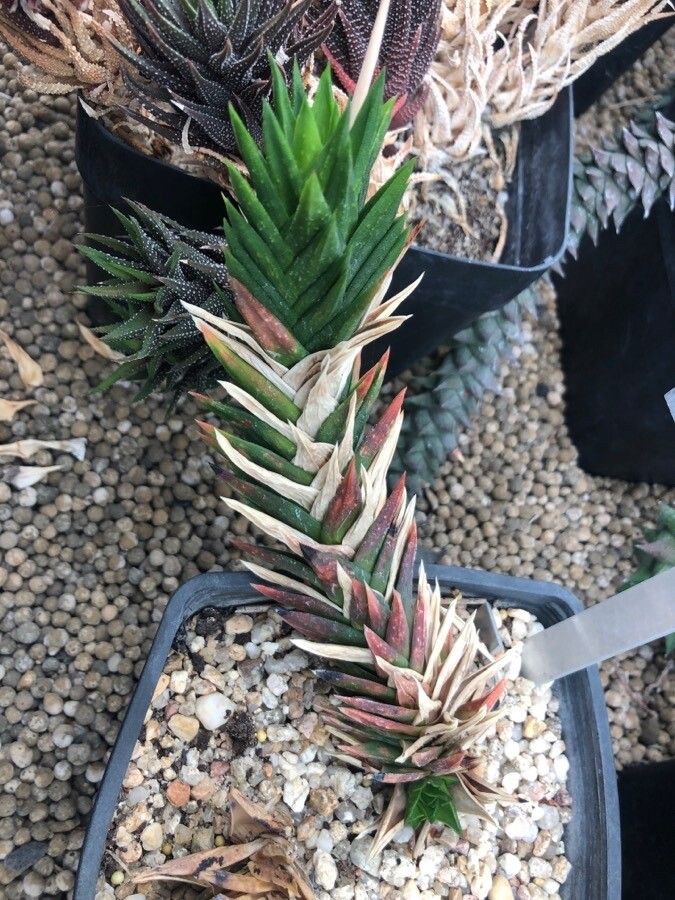
Propagating Astroloba herrei: A Guide to Cultivating the Starfish Plant
Introduction:
Astroloba herrei, commonly known as the Starfish Plant, is a captivating succulent belonging to the Asphodelaceae family. Its striking, star-shaped leaves arranged in tightly packed rosettes make it a highly sought-after addition to many succulent collections. Its relatively slow growth and unique appearance contribute to its popularity among gardeners. However, propagation can present certain challenges, making successful cultivation all the more rewarding. This guide explores various propagation methods for Astroloba herrei, weighing their effectiveness and highlighting essential techniques.
Seed Germination:
Currently, there are no known reliable methods for seed germination propagation of Astroloba herrei. While seed production may occur, germination rates are exceptionally low, often resulting in negligible success. Further research is needed to determine if specific stratification techniques or germination mediums could improve results.
Cuttings:
Challenges: Astroloba herrei does not readily propagate from leaf or stem cuttings. The lack of readily available meristematic tissue at the base of leaves, coupled with a tendency towards rot, makes this method largely unsuccessful.
Practical Tips: Even with careful preparation (sterilized tools, well-draining medium, and appropriate humidity and light), rooting is unlikely. Attempts at propagation by cuttings should be considered highly experimental.
Rewards: Given the low probability of success, there are minimal rewards associated with attempting propagation via cuttings.
Division:
Challenges: Division is a far more viable method, but success depends on the maturity and health of the parent plant. Overly aggressive division can weaken or kill the parent. Careful separation of offsets (daughter plants) is crucial to avoid damaging the root systems of both parent and offspring.
Practical Tips: The best time for division is during the active growing season (spring or early summer). Use a sharp, sterile knife or shears to carefully separate offsets with their own well-established root systems. Allow the cuts to callous over for a few days before planting in well-draining succulent potting mix. Plant the offsets shallowly to encourage robust root development.
Rewards: Division offers a relatively reliable method for increasing your Astroloba herrei collection. Successfully propagating through division offers a sense of accomplishment and allows for the expansion of your plant population without the need for specialized techniques or equipment.
Tissue Culture:
Challenges: Tissue culture, while potentially successful, requires specialized equipment, sterile conditions, and a considerable amount of horticultural expertise. Developing reliable protocols for Astroloba herrei may require significant research and experimentation.
Practical Tips: This technique would involve culturing the plant’s tissues on a nutrient-rich agar medium under controlled environmental settings. This is a method best suited to laboratories or experienced propagators with access to the necessary infrastructure.
Rewards: Tissue culture holds the potential for large-scale propagation and genetic conservation. It offers a high probability of success and the potential to produce numerous healthy clones from a small amount of plant material. This method, however, has a higher initial investment in equipment and training.
Conclusion:
Propagating Astroloba herrei presents a unique set of challenges. While seed propagation is currently not viable, division offers a reasonably reliable method for experienced succulent enthusiasts. Cuttings are largely unsuccessful, and tissue culture, while potentially highly effective, requires specialized knowledge and resources. The rewards of successfully propagating this striking plant, however, are immense. The unique satisfaction of nurturing a small offset into a mature, flourishing Astroloba herrei far outweighs the difficulties involved. For aspiring propagators, starting with division, using sharp, sterile tools, and ensuring well-draining soil are crucial steps towards success. Remember patience and observation are key – not every attempt will succeed, but the persistence will be richly rewarded with the beauty of your thriving Starfish Plant.