
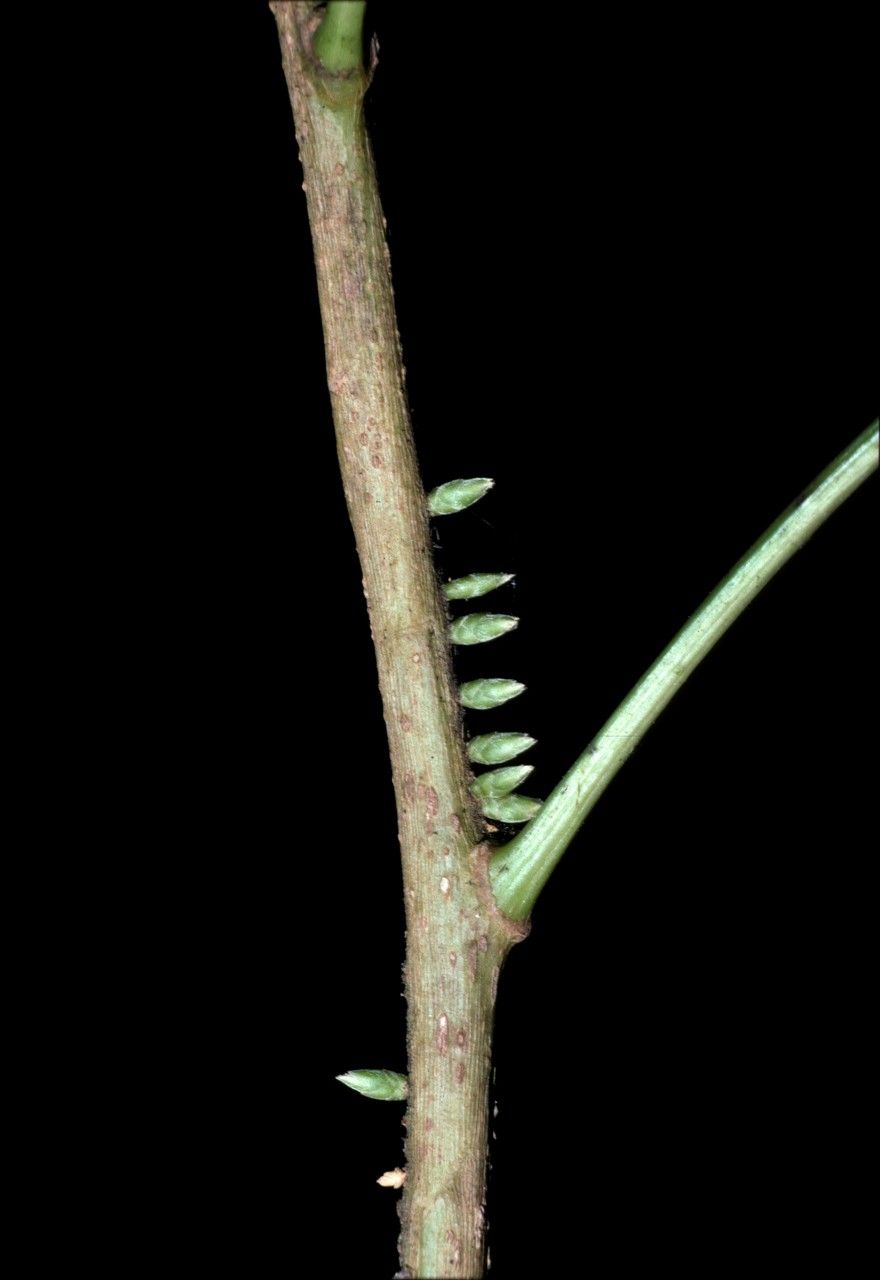
Unlocking the Secrets of Agrostistachys indica: A Propagation Guide
Agrostistachys indica, also known as the Indian Agrostistachys, might not roll off the tongue as easily as “rose” or “tulip,” but this intriguing plant deserves a place in the spotlight. Native to Southeast Asia, this evergreen shrub boasts unique foliage and a subtle beauty that captivates plant enthusiasts. While information about propagating Agrostistachys indica is scarce, we’ll delve into what we know and explore techniques for success.
Understanding the Plant:
Agrostistachys indica typically grows in USDA hardiness zones 10-12, preferring tropical and subtropical climates. It showcases leathery, dark green leaves with prominent veins, adding a touch of understated elegance to gardens. Understanding its natural habitat and growth patterns provides valuable clues for propagation.
Methods of Propagation:
While research on Agrostistachys indica propagation is limited, related species within the Euphorbiaceae family, to which it belongs, offer insights. Here are two potential methods:
1. Seed Propagation (With a Challenge):
- Seed Collection: Collecting viable seeds from the plant is the first hurdle. Agrostistachys indica produces small, inconspicuous flowers that develop into fruits containing seeds.
- Seed Viability: Information on seed viability and germination requirements is scarce. Fresh seeds are always recommended, but even then, germination rates might be low.
- Sowing: Use a well-draining seed starting mix. Sow seeds shallowly and keep consistently moist but not waterlogged. Providing bottom heat may improve germination rates.
- Patience is Key: Germination, if it occurs, can take several weeks or even months.
2. Semi-Hardwood Cuttings (A Promising Approach):
- Timing is Everything: Take cuttings during the active growing season, ideally in late spring or early summer.
- Selecting Cuttings: Choose healthy, semi-mature stems that are not too woody or too soft. Cuttings should be around 4-6 inches long.
- Preparation is Key: Remove the lower leaves from the cutting, leaving a few at the top. Dip the cut end in rooting hormone to encourage root development.
- Planting the Cutting: Plant the cutting in a well-draining potting mix specifically formulated for cuttings.
- Creating a Humid Environment: Cover the pot with a plastic bag or use a humidity dome to create a warm, moist environment essential for rooting.
- Patience and Observation: Cuttings can take several weeks to root. Check for signs of new growth as an indication of successful rooting.
Tips for Success:
- Research is Your Friend: Due to limited information, continue researching and connecting with other plant enthusiasts who might have experience with Agrostistachys indica propagation.
- Experimentation is Encouraged: Don’t be afraid to experiment with different propagation techniques and adjust your approach based on your observations.
- Optimal Growing Conditions: Provide the right environment for your newly propagated plants. This includes adequate sunlight (bright, indirect light is often ideal), warmth, and well-draining soil.
Propagating Agrostistachys indica might require patience and persistence, but the reward of successfully nurturing new life from this unique plant is highly gratifying. So, embrace the challenge and enjoy the journey of adding this botanical gem to your plant collection!