
Propagating Astronium graveolens: A Gardener’s Guide to the Brazilian Gum Tree
Introduction
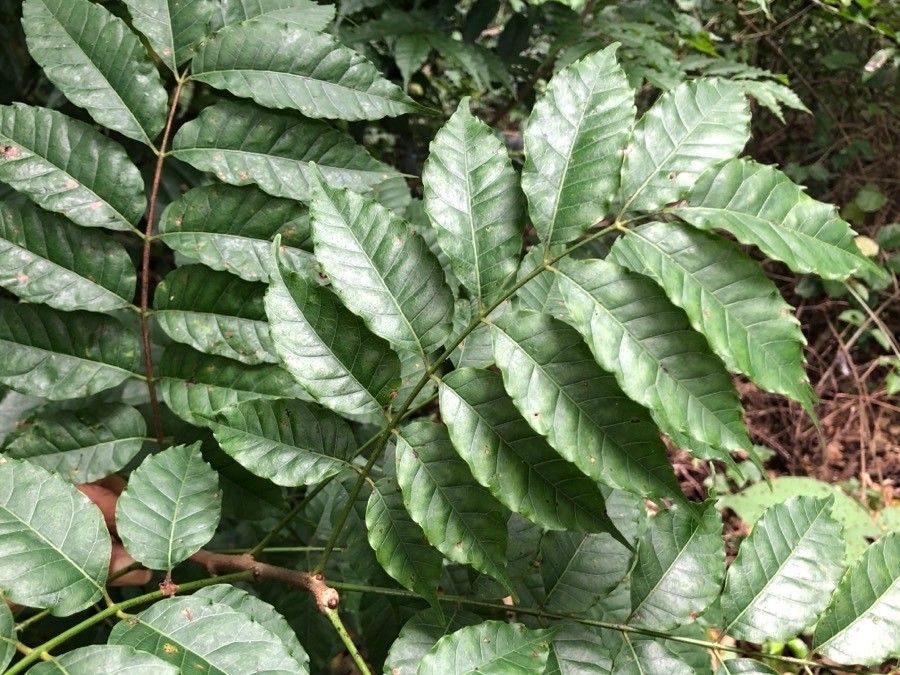
Astronium graveolens, commonly known as the Brazilian gum tree or guayacán, is a striking South American tree prized for its beautiful, resinous wood and attractive foliage. Its strong, durable wood makes it valuable commercially, while its elegant form and adaptability make it a popular choice among gardeners seeking a unique, eye-catching addition to their landscape. However, propagating this species presents certain challenges, making success a rewarding accomplishment. This article explores various propagation methods, weighing their benefits and drawbacks.
Seed Germination
Seed germination of Astronium graveolens is possible, but presents significant challenges. The seeds possess a hard seed coat, which acts as a barrier to germination. This necessitates pre-treatment to improve germination rates.
Challenges: Low germination rates are a common hurdle. The hard seed coat requires overcoming dormancy. Fungal diseases can also affect seedlings.
Practical Tips: Scarification (mechanically damaging the seed coat using sandpaper or acid treatment) is crucial. Soaking the seeds in water for 24-48 hours before sowing can also improve imbibition. Sowing should be done in a well-draining seed-starting mix, kept consistently moist but not waterlogged. A warm environment (25-30°C) is beneficial. Stratification (cold treatment) may not be necessary, but some sources suggest a brief period of cold stratification (4°C for 30 days) might improve results.
Rewards: Seed propagation offers the potential for high genetic diversity, which is valuable for creating a robust population resilient to diseases and pests. It also allows for large-scale propagation efforts if successful.
Cuttings
Propagating Astronium graveolens from cuttings is generally considered difficult. The success rate is typically low, primarily due to the plant’s inherent difficulty in rooting.
Challenges: Low rooting success rates are the biggest obstacle. Proper hormone application and environmental control are crucial but may not guarantee success. The cutting’s susceptibility to fungal diseases is also a concern.
Practical Tips: Semi-hardwood cuttings taken during the late summer or early autumn, treated with rooting hormone, and placed in a humid propagation environment with bottom heat might yield a few successful plants. However, this requires significant skill and patience.
Rewards: Though labor-intensive and with a low success rate, cuttings offer a quicker method to propagate desirable genotypes when compared to seeds.
Division
Division is not a viable propagation method for Astronium graveolens, as it’s a tree with a single, substantial root system. Attempting division is likely to seriously damage or kill the parent plant.
Currently, there are no known reliable methods for division propagation of Astronium graveolens.
Tissue Culture
Tissue culture offers a potentially promising approach to Astronium graveolens propagation. However, this technique is technically demanding and requires specialized equipment and sterile laboratory conditions.
Challenges: Establishing aseptic cultures, optimizing media formulations for shoot proliferation and root development, and achieving high multiplication rates are all significant challenges. Expertise in plant tissue culture is essential.
Practical Tips: Research on suitable media compositions and growth regulators is crucial. Strict adherence to sterile techniques is paramount to prevent contamination.
Rewards: This technique offers the possibility of mass production of genetically identical plants, ensuring consistency and allowing for rapid propagation of superior individuals.
Conclusion
Propagating Astronium graveolens successfully requires dedication, patience, and a willingness to experiment. While seed germination offers a path to genetic diversity but faces challenges, cuttings remain difficult. Division is not feasible, and tissue culture, while promising, demands significant expertise. The rewards, however—cultivating this unique and beautiful tree—make the effort worthwhile. The satisfaction derived from successfully nurturing a seedling from a seed or a rooted cutting far outweighs the difficulties encountered along the way. For aspiring propagators, I suggest starting with seed germination, using the provided tips, while acknowledging that multiple attempts might be necessary. Don’t be discouraged by initial setbacks; perseverance is key to success in propagating this magnificent species.