
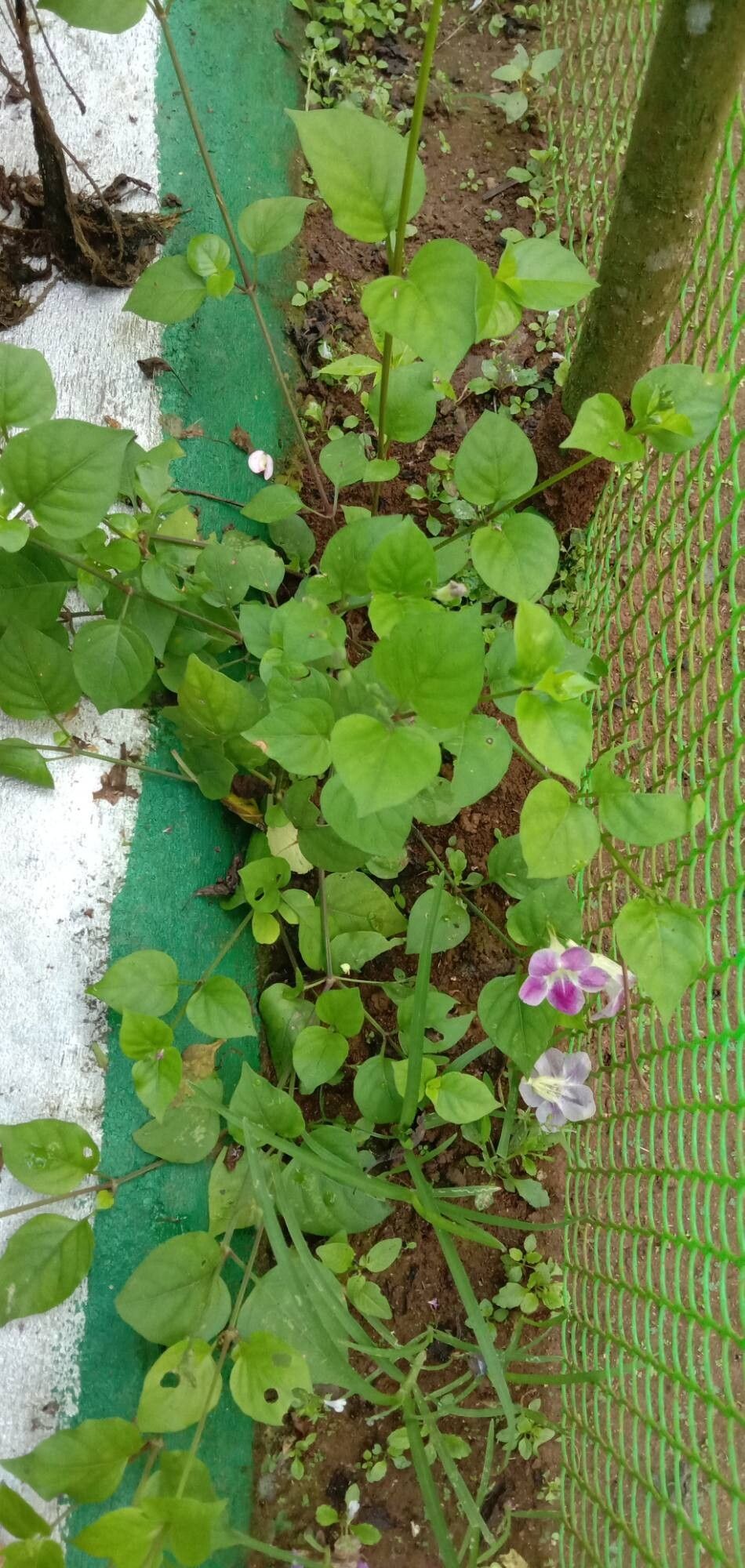
Propagating Asystasia gangetica: The Chinese Violet’s Many Paths to Success
Asystasia gangetica, commonly known as Chinese violet, is a vigorous, sprawling perennial herb prized for its attractive, trumpet-shaped flowers and ease of growth in warm climates. Its vibrant blooms, ranging from white to purple, make it a popular choice for ground cover, hanging baskets, and even as a border plant. However, its prolific self-seeding nature and rapid growth can sometimes make it considered an invasive species in certain regions. This characteristic, while challenging in some contexts, presents unique advantages for propagation. This article explores the various methods available to successfully propagate A. gangetica, highlighting their respective challenges and rewards.
Seed Germination:
Seed germination is a viable method for propagating Asystasia gangetica. However, it presents some challenges. Seed viability can fluctuate depending on environmental conditions and seed age. Freshly collected seeds generally exhibit higher germination rates.
Challenges: Inconsistent germination rates, potential for genetic variability leading to less uniformity in resulting plants.
Tips: Sow seeds directly into well-draining soil mixtures in a warm, humid environment. Light covering with soil or vermiculite is recommended. Maintain consistent moisture levels, but avoid overwatering which can lead to fungal diseases. Warm temperatures (20-25°C) generally promote better germination. No pre-treatment like stratification is typically required.
Rewards: High potential for large-scale propagation, increased genetic diversity resulting in potentially more robust and adaptable plants.
Cuttings:
Cuttings are another effective propagation method for Asystasia gangetica.
Challenges: While relatively easy, not all cuttings will root successfully. Environmental factors like humidity and temperature play a critical role. Bacterial and fungal infections can also hinder rooting.
Tips: Take stem cuttings of approximately 10-15 cm in length, ensuring at least two nodes are included. Remove lower leaves to prevent rotting. Dip the cut end in rooting hormone for enhanced success. Plant cuttings in a well-draining potting mix, maintaining high humidity (e.g., using propagation domes or misting regularly).
Rewards: Fast and efficient method for producing numerous clones, maintaining the desirable characteristics of the parent plant.
Division:
Division is a simple and reliable method, especially for established plants.
Challenges: Requires an established plant that’s large enough to be divided. Care needs to be taken to avoid damaging the roots during the division process.
Tips: Gently dig up the mature plant and carefully separate it into smaller sections, ensuring each section has adequate roots and foliage. Replant the divisions immediately in well-prepared soil. Water thoroughly after planting.
Rewards: Quick and easy propagation, particularly suitable for maintaining specific traits of a prized variety.
Tissue Culture:
While technically possible, tissue culture propagation of Asystasia gangetica is not typically a home gardener’s method.
Challenges: Requires specialized equipment, sterile conditions, and technical expertise. The high initial costs may outweigh the benefits for small-scale propagation.
Tips: This method is best left to professional nurseries or research facilities with the necessary resources and expertise.
Rewards: Large-scale, rapid production of uniform plants, disease-free plantlets.
Conclusion:
Propagating Asystasia gangetica offers a rewarding experience for gardeners, despite the challenges. Each method—seed germination, cuttings, and division—presents unique advantages and limitations. While tissue culture offers efficient mass production, it’s generally inaccessible to the average enthusiast. The satisfaction of observing a tiny cutting transform into a vibrant flowering plant, or watching a seed sprout and develop into a vigorous specimen, is unparalleled. Don’t be discouraged by initial setbacks; persistent experimentation and careful attention to detail will greatly increase your success. The vibrant blooms and easy care of the Chinese violet make the effort well worthwhile.