
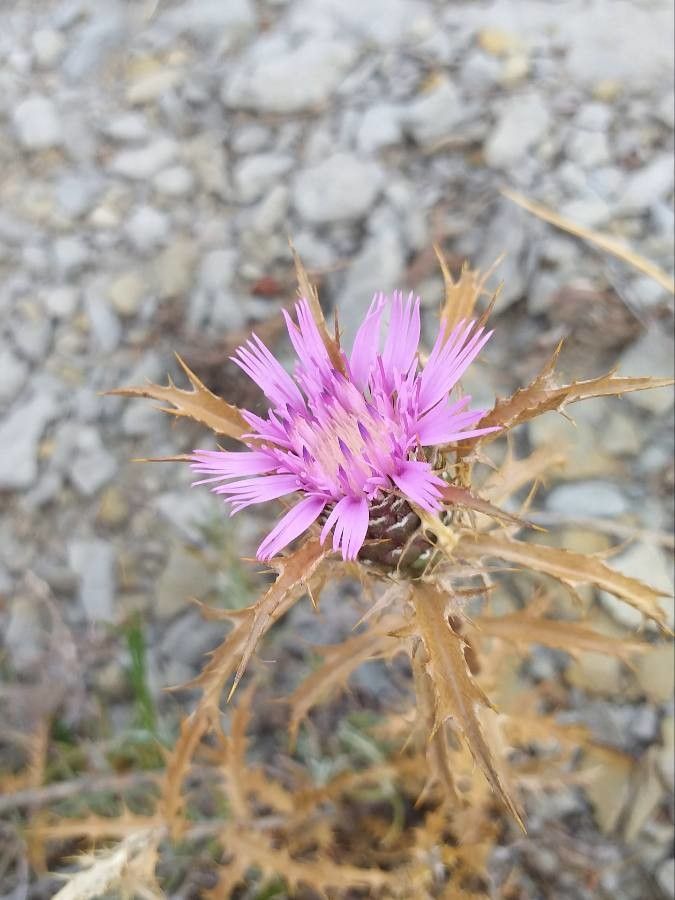
Propagating Atractylis humilis: A Gardener’s Challenge
Atractylis humilis, also known as the Dwarf Atractylis or Small Atractylis, is a captivating member of the Asteraceae family, prized for its unusual, thistle-like appearance and striking silvery foliage. Its architectural form, showcasing spiny, intricately textured leaves and delicate, pale yellow flower heads, makes it a highly sought-after plant among gardeners seeking unique additions to their borders or rock gardens. However, its propagation presents a unique set of challenges rarely discussed in mainstream gardening literature, adding to its allure. This article explores the various methods available, highlighting both successes and setbacks.
Seed Germination:
Currently, there are no known reliable methods for seed germination propagation of Atractylis humilis. While seeds might be produced, their germination rate is exceptionally low, and reported successes are anecdotal and lack scientific validation. Further research into germination requirements, potentially involving specific stratification techniques (cold stratification for various durations), or hormonal treatments, would be necessary to determine if viable seed propagation is feasible.
Cuttings:
Propagating Atractylis humilis from cuttings presents a moderate challenge. Success rates vary depending on the timing and meticulous care.
Challenges: Cuttings are slow to root, and rotting is a significant risk, particularly in overly moist conditions. The spiny nature of the plant can also make handling cuttings delicate.
Practical Tips: Take semi-hardwood cuttings in late summer or early autumn. Use a well-draining rooting medium, such as a blend of perlite and peat moss. Apply a rooting hormone to increase chances of success. Maintain high humidity using a propagator or covering the cuttings with a plastic bag (ensure good ventilation to prevent fungal growth). Patience is key; rooting may take several weeks or even months.
Rewards: Successfully rooted cuttings provide a reliable means of increasing your stock of Atractylis humilis while maintaining the genetic traits of the mother plant.
Division:
Division is arguably the most reliable method for propagating Atractylis humilis.
Challenges: Atractylis humilis often forms a relatively compact root system, limiting the number of divisions possible from a single plant. Care must be taken to avoid damaging the roots during the division process, which could hinder establishment of the new plants.
Practical Tips: The best time to divide is in spring or autumn, during periods of moderate weather. Dig up the entire plant carefully, ensuring minimal root disturbance. Divide the root system into sections, each containing a portion of healthy crown and roots. Replant the divisions immediately, ensuring adequate spacing. Water gently after planting.
Rewards: Division provides a relatively straightforward method to propagate the plant, preserving the genetic integrity of the parent plant.
Tissue Culture:
Tissue culture offers a potential route for large-scale propagation of Atractylis humilis, although it’s not a commonly employed method for home gardeners due to its technical complexity and specialized equipment requirements.
Challenges: Developing a successful tissue culture protocol for Atractylis humilis would involve significant experimentation to determine suitable media, growth regulators, and sterilization techniques. The establishment of aseptic conditions is crucial to prevent contamination.
Practical Tips: This method is best left to experienced tissue culture laboratories.
Rewards: Tissue culture offers the potential for mass propagation, allowing for the rapid production of clones with consistent genetic characteristics.
Conclusion:
Propagating Atractylis humilis presents a unique set of challenges across all methods. While division offers the most reliable approach for the home gardener, the low success rate of seed germination and the intricacies of cuttings and tissue culture highlight the plant’s quirks. However, the unique satisfaction of successfully cultivating this captivating plant, after overcoming these hurdles, is a significant reward. Persistence, patience, and a meticulous approach are essential for aspiring propagators. Don’t be discouraged by initial setbacks; the achievement of successfully propagating this fascinating plant will be all the more rewarding for the effort invested.