
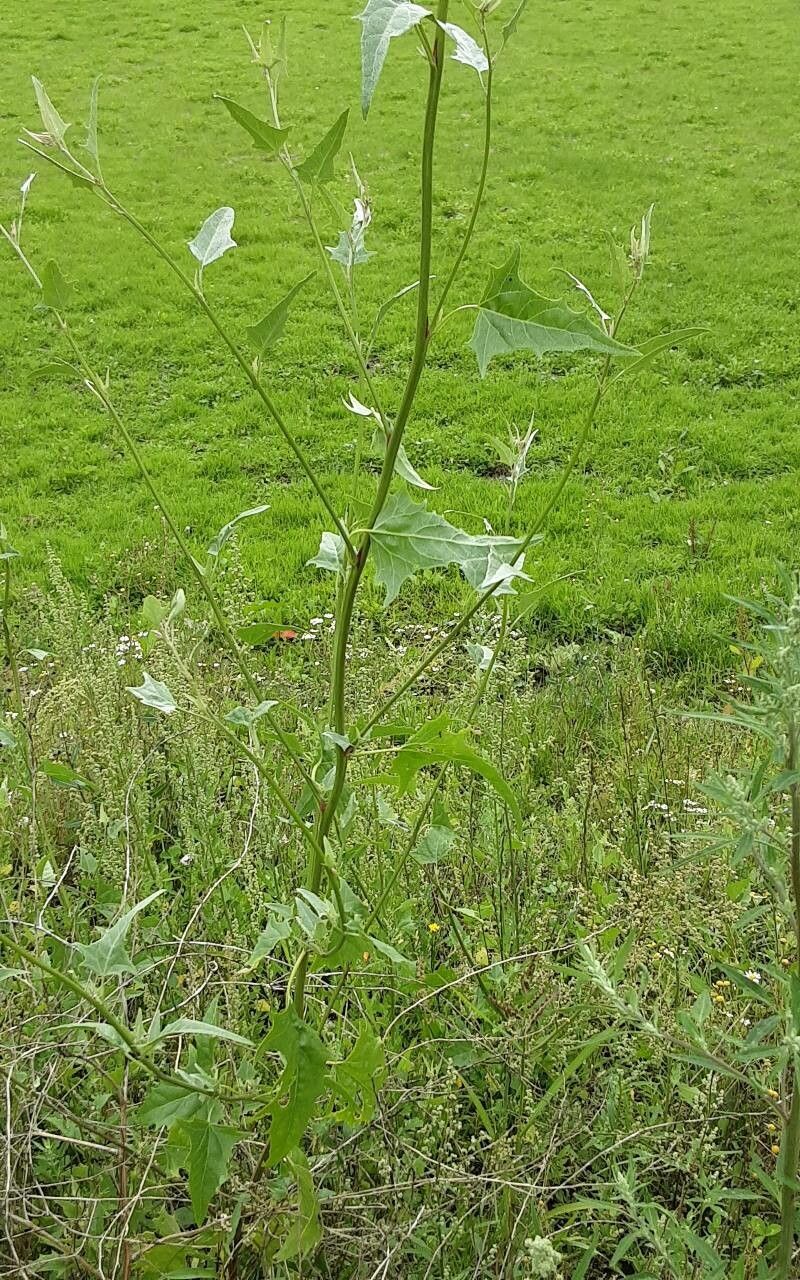
Propagating Atriplex micrantha: A Gardener’s Guide to the Little Saltbush
Atriplex micrantha, commonly known as little saltbush, is a resilient and adaptable shrub prized for its drought tolerance, silvery foliage, and ability to thrive in poor soils. Its low maintenance nature and contribution to biodiversity make it increasingly popular among gardeners, particularly those aiming for xeriscaping or ecological restoration projects. However, propagating this tenacious plant presents unique challenges due to its specific ecological preferences and reproductive strategies. This article explores various propagation techniques, outlining their feasibility and offering practical advice to aspiring cultivators.
Seed Germination:
Currently, there are no known reliable methods for seed germination propagation of Atriplex micrantha. While the plant produces seeds, germination rates are notoriously low under typical horticultural conditions. This is likely due to a complex interplay of factors, including seed dormancy mechanisms, specific soil moisture requirements, and potentially a reliance on mycorrhizal fungi for successful germination. Further research into these factors is needed to unlock the potential of seed propagation for this species.
Cuttings:
Cuttings offer a more reliable method for propagating Atriplex micrantha.
Challenges: Success rates can be variable, depending on the timing (best achieved in spring or early summer), the age and health of the parent plant, and the quality of the rooting medium. Improper sanitation can lead to fungal diseases.
Practical Tips: Take semi-hardwood cuttings, approximately 4-6 inches long, from non-flowering stems. Remove lower leaves, dip the cut ends in rooting hormone, and plant in a well-draining mix (e.g., perlite and peat moss). Maintain high humidity through misting or placing the cuttings in a propagation dome. Keep the cuttings consistently moist but not waterlogged.
- Rewards: Cuttings provide a relatively quick method to produce genetically identical plants, ensuring consistency in traits. This is ideal for preserving superior cultivars or for large-scale landscaping projects where a uniform appearance is desired.
Division:
Division is a feasible propagation method for established Atriplex micrantha plants.
Challenges: This technique is only viable for mature plants that have developed a substantial root system. There is a risk of damaging the plant during division if not done carefully.
Practical Tips: Divide the plant in early spring or fall, carefully separating the root ball into several sections, each with its own root system and several stems. Replant the divisions immediately, ensuring good soil contact and watering.
- Rewards: Similar to cuttings, division allows for quick multiplication of desirable plants, preserving specific genetic characteristics. It’s particularly useful for smaller-scale propagation, ensuring the longevity of specific, well-established specimens.
Tissue Culture:
The efficacy of tissue culture for Atriplex micrantha propagation is yet to be fully explored.
Challenges: Establishing a sterile culture and identifying the optimal growth media and hormones for in-vitro propagation of this species would require extensive experimentation. This is a costly and labor-intensive method, generally reserved for research or commercial applications.
Practical Tips: Development of protocols for effective tissue culture would require significant horticultural expertise and access to specialized equipment and media.
- Rewards: Tissue culture offers the potential for rapid and large-scale propagation of disease-free plants and would allow the exploration of genetic improvement techniques.
Conclusion:
Propagating Atriplex micrantha presents unique challenges across all methods, most notably with seed germination. Cuttings and division provide more reliable avenues for both small-scale and larger projects. While tissue culture holds immense potential, it requires significant resources and research. The satisfaction derived from successfully cultivating this resilient plant, however, is significant. The perseverance required underscores the unique connection developed between the gardener and the plant. Those striving for success should carefully consider the specifics of each propagation method, selecting the one best suited to their experience, resources, and propagation goals. Remember that patience and careful attention to detail are crucial for success with any propagation method.