
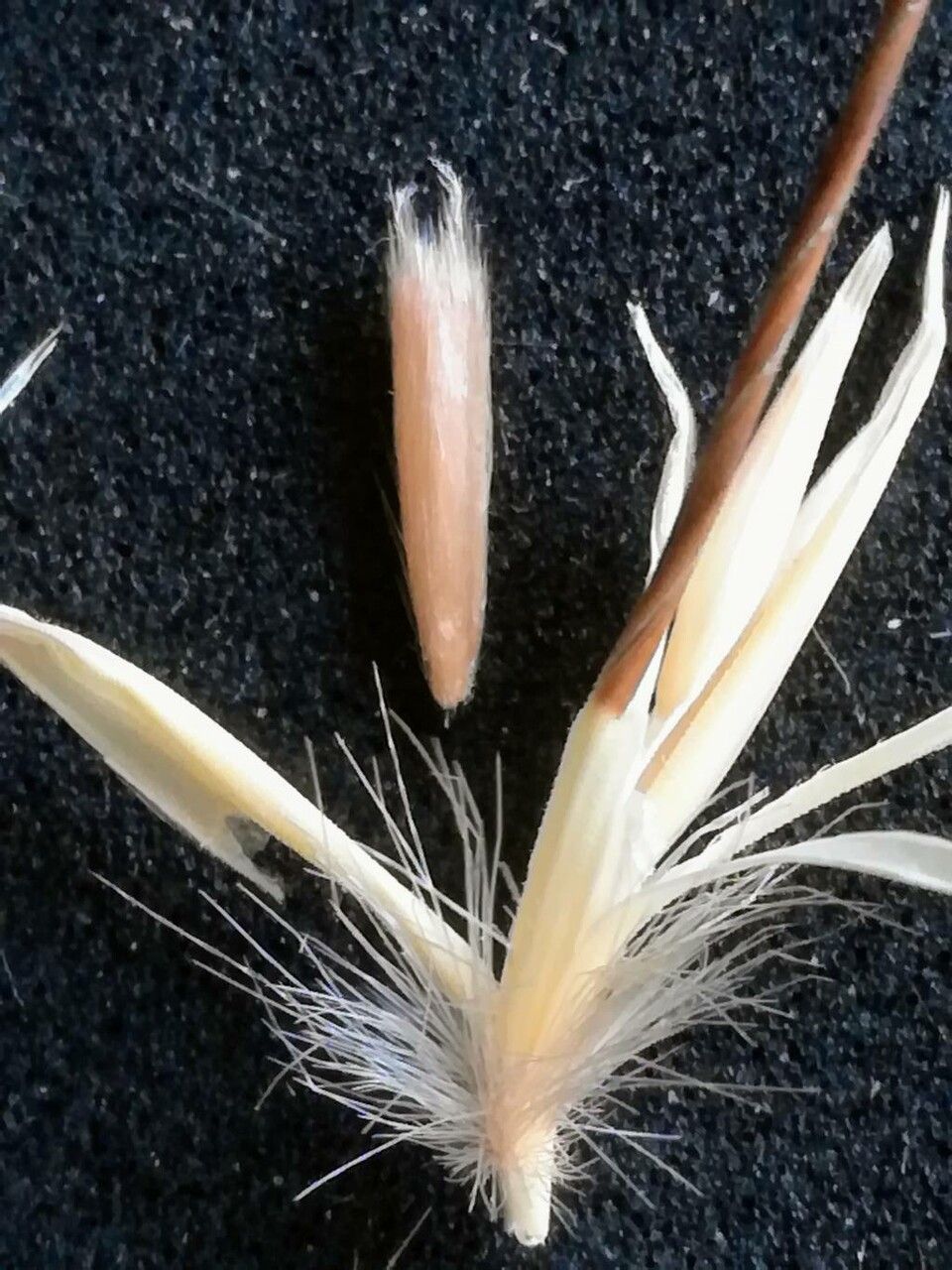
Propagating Avena barbata: A Gardener’s Guide to Slender Oat
Introduction:
Avena barbata, commonly known as slender oat, is a graceful annual grass prized for its delicate, nodding seed heads and its adaptability to various soil types. Its airy inflorescence adds a touch of wild elegance to gardens, making it a popular choice for naturalistic planting schemes and meadow gardens. However, compared to other ornamental grasses, propagating Avena barbata presents some unique challenges. While visually appealing, achieving successful propagation requires understanding its specific needs and employing appropriate techniques. Its relatively short lifespan also emphasizes the importance of successful propagation for continued enjoyment.
Seed Germination:
Seed germination is a viable method for propagating Avena barbata, though it presents some challenges. The seeds possess a degree of dormancy, requiring stratification to break it and enhance germination rates.
Challenges: Inconsistent germination rates are common. Factors such as seed age and storage conditions can significantly influence success.
Tips: Pre-soaking seeds for 24 hours in warm water can aid germination. Cold stratification, involving chilling seeds for 4-6 weeks at temperatures between 33-40°F (0-4°C) in a moist medium (vermiculite or moist paper towel), is highly recommended to break dormancy. Sow seeds directly outdoors in autumn or early spring in well-draining soil, barely covering them with soil. Maintain consistent moisture until germination.
Rewards: Seed germination offers the greatest genetic diversity, allowing for a potentially wider range of plant characteristics across generations. This method is also ideal for large-scale propagation, particularly for use in wildflower mixes or ecological restoration projects.
Cuttings:
Currently, there are no known reliable methods for propagation of Avena barbata via cuttings. The plant’s annual nature and lack of substantial woody stems make it unsuitable for this propagation technique.
Division:
Division is not a practical method for propagating Avena barbata. As an annual plant, it does not develop the extensive root system required for successful division.
Tissue Culture:
While tissue culture techniques are sophisticated methods for plant propagation, their application in the case of Avena barbata is currently undocumented and likely not cost-effective for amateur gardeners. The specialized equipment and knowledge required make this an unlikely option for most individuals.
Conclusion:
Propagating Avena barbata presents a unique set of challenges. While seed germination is a viable—albeit somewhat unpredictable—method, it requires attention to detail regarding stratification and sowing. Other methods such as cuttings and division are not feasible. The rewards of successful propagation, however, are considerable. Witnessing the delicate emergence of slender oat seedlings from carefully stratified seeds, and subsequently cultivating them into a graceful display, provides immense satisfaction. It’s a testament to the gardener’s patience and understanding of this specific plant’s needs. For those aspiring to cultivate this charming grass, embracing the challenges of seed germination, and understanding that some seeds may not sprout, is key to ultimate success and enjoyment. Don’t be discouraged by initial setbacks – the reward of a flourishing patch of Avena barbata makes the endeavor worthwhile.