
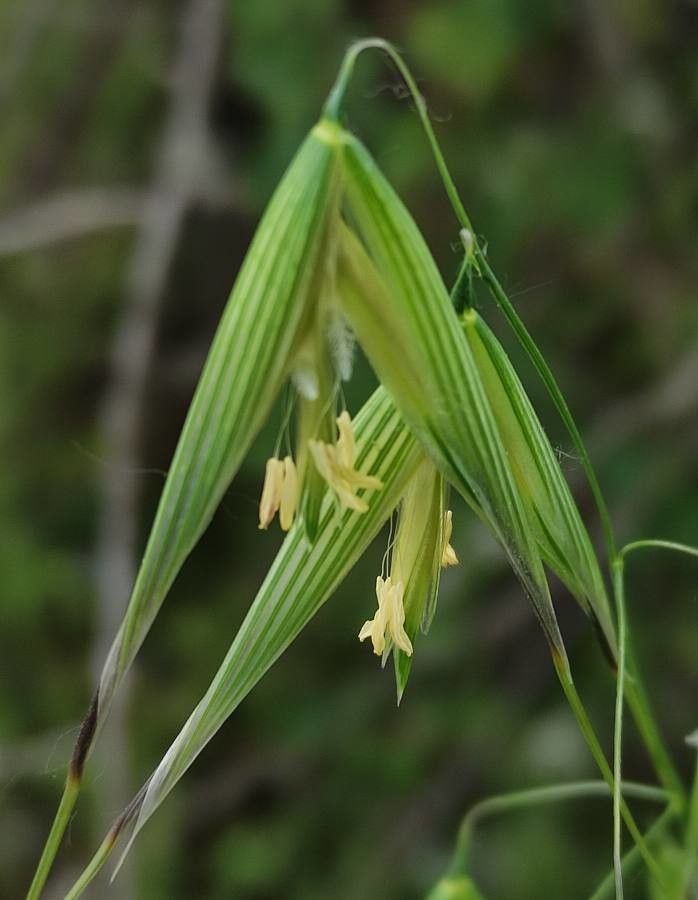
Propagating Avena fatua: The Challenges and Rewards of Cultivating Wild Oats
Introduction:
Avena fatua, commonly known as wild oat, is a widespread annual grass species often considered a troublesome weed in agricultural settings. However, its resilience, rapid growth, and adaptation to diverse climates make it a fascinating subject for plant propagation—though not necessarily for the average gardener. Unlike cultivated oat varieties (Avena sativa), Avena fatua possesses a unique ecological significance and exhibits considerable genetic diversity, making its propagation a challenging yet rewarding endeavor for those interested in ecological restoration or plant genetics research. Its popularity among gardeners is minimal to non-existent, given its weedy nature.
Seed Germination:
Seed germination is a viable method for propagating Avena fatua, although it presents distinct challenges. Wild oat seeds possess a robust seed coat that can exhibit dormancy, delaying or inhibiting germination.
Challenges: Dormancy can be broken by various factors, including temperature fluctuations (stratification) and light exposure. Uneven germination is common, making achieving a uniform stand difficult. Weed competition in germination trays can also be significant.
Practical Tips: Pre-treating seeds with a period of cold stratification (e.g., 4-6 weeks at 4°C) is highly recommended. Sowing seeds directly into well-draining soil in a well-lit area is typically more successful than starting indoors in trays. Precise temperature and moisture control is critical during initial germination, especially as seedlings are easily affected by damping-off diseases.
Rewards: Seed germination offers the significant advantage of high genetic diversity, allowing the propagation of a wide range of Avena fatua genotypes. It also provides a cost-effective method for large-scale propagation, suitable for ecological restoration projects or research purposes.
Cuttings:
Currently, there are no known reliable methods for propagating Avena fatua from cuttings. Wild oats are annual plants, lacking the persistent woody or herbaceous structures necessary for successful cutting propagation.
Division:
Currently, there are no known reliable methods for propagating Avena fatua by division. As an annual grass, it doesn’t form the clumping rhizomes or bulbs suitable for division.
Tissue Culture:
While potentially feasible, tissue culture propagation of Avena fatua is likely to be complex and resource-intensive. This method is not typically employed for this species due to the relative ease and cost-effectiveness of seed propagation, if the dormancy issues are successfully addressed.
Challenges: Establishing sterile cultures and finding reliable media formulations that promote shoot proliferation and root formation in Avena fatua would require significant experimentation and specialized knowledge.
Practical Tips: (Not applicable, given the lack of widespread practice)
Rewards: (Potentially allows for large-scale clonal propagation, enabling the selection and maintenance of specific genotypes, although this is a highly specialized and resource consuming process.)
Conclusion:
Propagating Avena fatua presents unique challenges, primarily related to seed dormancy and the lack of viable alternatives to seed propagation. While overcoming these hurdles can be daunting, the rewards of successfully cultivating this resilient species are considerable, particularly for researchers studying plant genetics and ecological restorationists. The satisfaction of nurturing wild oat seedlings from seed, understanding their germination requirements, and observing their vigorous growth is a testament to patience and horticultural skill. For those interested in this venture, patience, meticulous attention to detail, and a well-informed approach to seed germination are key to success. Remember to thoroughly research specific environmental requirements according to the particular Avena fatua ecotype you are working with. The effort invested is rewarded by a deeper appreciation of the complexities and adaptability of this fascinating plant.