
Propagating Axinaea costaricensis: A Gardener’s Challenge
Introduction
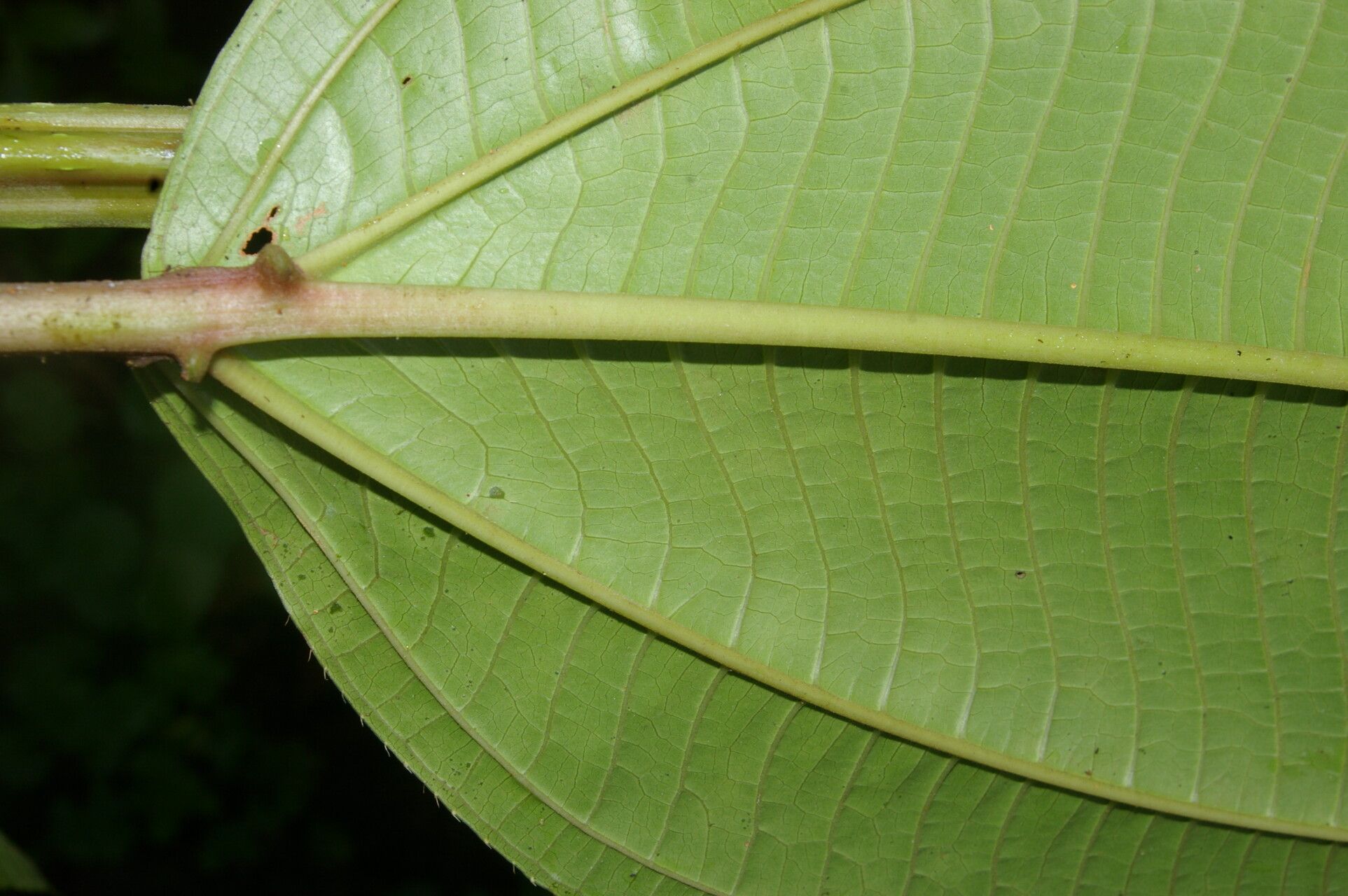
Axinaea costaricensis, a member of the Melastomataceae family, is a relatively understudied but increasingly popular plant among collectors and enthusiasts. While a common name hasn’t gained widespread use, its striking foliage, often displaying vibrant red veining against deep green leaves, and its unique flower form make it a desirable addition to any conservatory or specialized garden. Its propagation, however, presents unique challenges, requiring patience and a nuanced understanding of its specific needs.
Seed Germination
Currently, there are no known reliable methods for seed germination propagation of Axinaea costaricensis. The limited research available concerning this species doesn’t provide conclusive data on seed viability or germination requirements. Further research is needed to determine if seed germination is a feasible propagation method. This lack of readily available information makes seed propagation currently impractical.
Cuttings
Cuttings offer a potentially more promising method for propagating Axinaea costaricensis.
Challenges: The success rate of stem cuttings can vary greatly, depending on factors like the age and health of the parent plant, the timing of the cuttings, and the environmental conditions. Axinaea costaricensis might exhibit relatively low rooting success compared to easier-to-propagate species.
Practical Tips: Take semi-hardwood cuttings in late spring or early summer. Use a sharp, clean blade to prevent disease transmission. Treat the cuttings with a rooting hormone to stimulate root development. Plant in a well-draining growing medium, such as a perlite and peat moss mix, and maintain high humidity using a propagation dome or plastic bag. Regular misting is also crucial to prevent desiccation. Avoid overwatering, which can lead to fungal rot.
Rewards: Successful rooting of cuttings provides genetically identical plants to the mother plant, preserving desirable traits. This method allows for quicker multiplication compared to other methods, potentially making it a feasible way to satisfy the growing demand for this plant.
Division
Division is unlikely to be a viable propagation method for Axinaea costaricensis. This species isn’t typically known for producing readily separable crowns or rhizomes suitable for division. Attempting to divide the plant could severely damage it and compromise its survival.
Tissue Culture
Tissue culture presents a potentially superior method, though it requires specialized equipment and expertise.
Challenges: Establishing a sterile protocol and identifying optimal growth media for Axinaea costaricensis requires considerable research and experimentation. The procedure can be complex, time-consuming, and costly.
Practical Tips: Sterile techniques are paramount to prevent contamination. Experimentation with different nutrient media and plant growth regulators (PGRs) is essential to optimize growth and multiplication rates.
Rewards: Tissue culture offers the potential for large-scale propagation, generating numerous genetically identical plants. This is particularly useful for conservation efforts and supplying the horticultural market. It is also the most likely route to overcome the challenges of seed germination or the low success rate of cuttings.
Conclusion
Propagating Axinaea costaricensis poses unique challenges, with cuttings appearing as the most promising method currently available, though success remains dependent on careful technique and suitable environmental conditions. Seed propagation and division are currently infeasible, while tissue culture offers the potential for large-scale propagation but is resource-intensive. The rewards, however, are remarkable: the chance to successfully cultivate this exceptional plant, showcasing its vibrant beauty. For aspiring propagators, patience, precision, and meticulous attention to detail are paramount. Embrace the learning curve; the satisfaction of nurturing a cutting into a thriving Axinaea costaricensis far outweighs the difficulties involved, offering a deeply rewarding experience for the dedicated gardener. Remember to keep detailed records of your experiments to contribute to the growing body of knowledge about this fascinating species.