
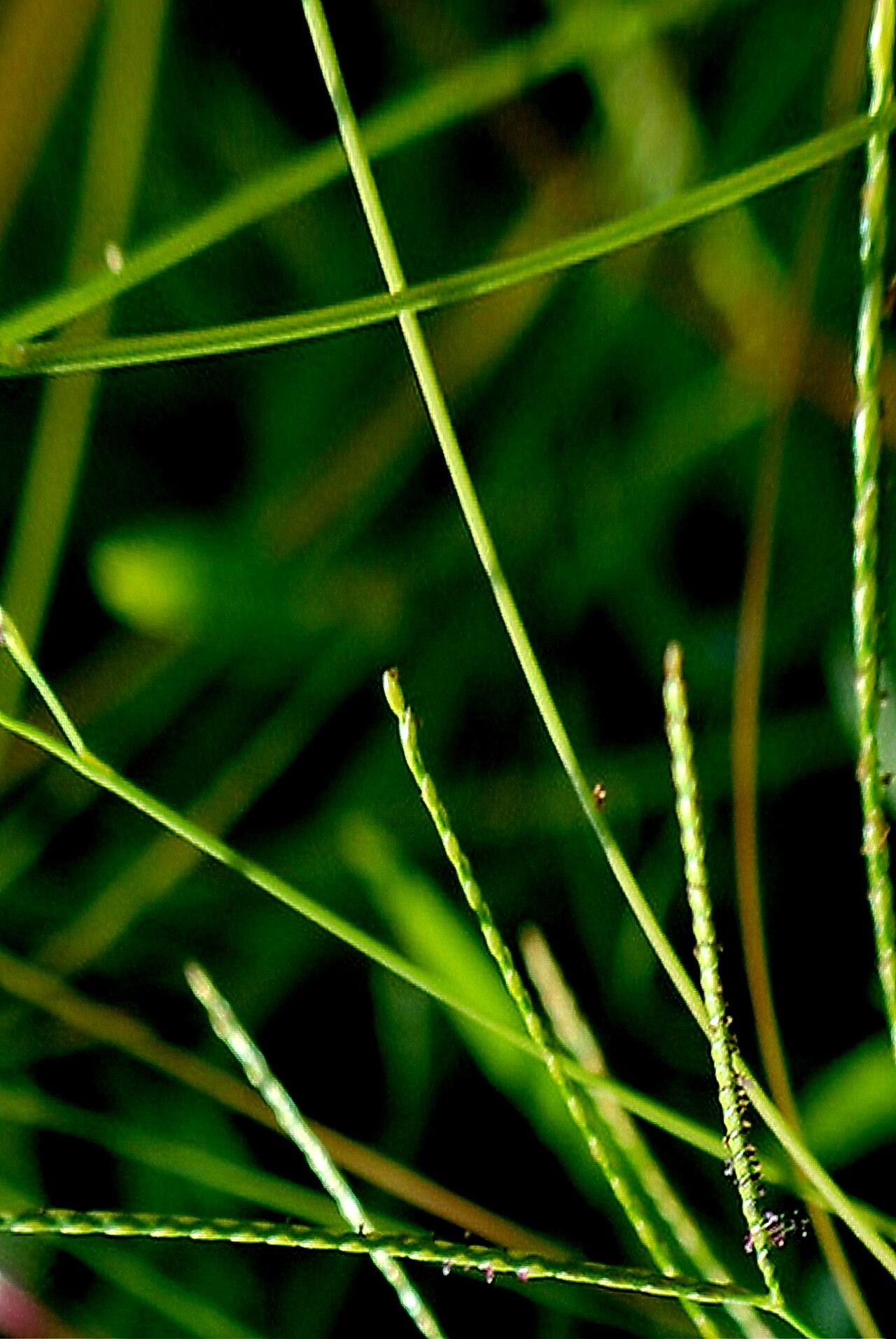
Propagating Axonopus fissifolius: A Gardener’s Guide to Spreading the Carpetgrass
Axonopus fissifolius, commonly known as broadleaf carpetgrass, is a low-growing, spreading perennial grass prized for its attractive, fine-textured foliage and tolerance of shade. Its ability to form dense, weed-suppressing mats makes it a popular choice for lawns, ground cover, and erosion control, particularly in warmer climates. However, its propagation presents unique challenges and rewards for the dedicated gardener. This article explores various methods, highlighting their effectiveness and offering practical advice.
Seed Germination:
Currently, there are no known reliable methods for seed germination propagation of Axonopus fissifolius. While the plant does produce seed, germination rates are extremely low, and the process is unreliable, making it impractical for most gardeners.
Cuttings:
Cuttings offer a more reliable method for propagating Axonopus fissifolius.
Challenges: While successful, rooting cuttings requires attention to detail. The success rate can vary depending on the season, the age and health of the parent plant, and the rooting medium. Using older, more mature stems may result in slower rooting than with younger, more vigorous stems.
Practical Tips: Take 4-6 inch stem cuttings, ideally from actively growing shoots. Remove lower leaves to prevent rotting and dip the cut ends in a rooting hormone. Plant the cuttings in a well-draining mix of perlite and peat moss, ensuring consistent moisture but avoiding waterlogging. A humid environment, provided by a propagator or plastic bag, can significantly improve rooting success. Keep the cuttings in a shaded area until roots develop, generally taking several weeks.
- Rewards: Cuttings offer a relatively straightforward method for producing multiple plants from a single parent plant, preserving the desirable characteristics of the original. It’s a more efficient alternative compared to division for medium-scale propagation.
Division:
Division is the most common and often most successful method of propagating Axonopus fissifolius.
Challenges: Division requires careful handling to avoid damaging the plant’s delicate root system. It’s also a more labour-intensive method than cuttings, particularly when propagating a large number of plants. The size of the parent plant dictates how many divisions you can get, restricting the scale of propagation within a certain period.
Practical Tips: The best time for division is during the spring or early autumn when the plant is actively growing. Dig up the parent plant carefully, ensuring as much of the root system remains intact as possible. Divide the plant into smaller sections, each containing a good amount of roots and healthy foliage. Replant the divisions immediately, ensuring sufficient spacing to allow for growth.
- Rewards: Division provides a quick and very effective means of increasing the number of plants. This method is less labour intensive than tissue culture and more successful than seed germination or cuttings, for smaller scale propagation. The resulting plants are usually quick to establish.
Tissue Culture:
Tissue culture propagation is a more advanced technique suitable for large-scale propagation or for preserving specific superior genetic lines.
Challenges: Tissue culture requires specialized equipment, sterile conditions, and a thorough understanding of plant tissue culture techniques. It can be an expensive and time-consuming method, although highly efficient once established.
Practical Tips: Establishing a tissue culture protocol for Axonopus fissifolius requires experimentation to determine optimal media composition and growth conditions. These need to support rapid shoot multiplication and efficient root initiation.
- Rewards: This method offers the highest potential for mass propagation and is ideal for producing clones of superior genotypes. It’s highly beneficial to breeders.
Conclusion:
Propagating Axonopus fissifolius presents a range of challenges, from the near impossibility of seed germination to the technical demands of tissue culture. Division remains the most accessible and practical method for the home gardener, while cuttings offer a viable alternative for medium-sized propagation needs. Tissue culture provides a powerful tool for large-scale operations and genetic preservation. The reward, however, – successfully establishing a lush, vibrant carpet of this attractive grass – is a testament to the grower’s patience and skill, making the effort richly rewarding. Don’t be discouraged by the initial hurdles; experiment, learn from your mistakes, and enjoy the unique satisfaction of nurturing this beautiful plant from a cutting or division.