
Propagating Aylostera leucanthema: A Guide for Cactus Enthusiasts
Introduction:
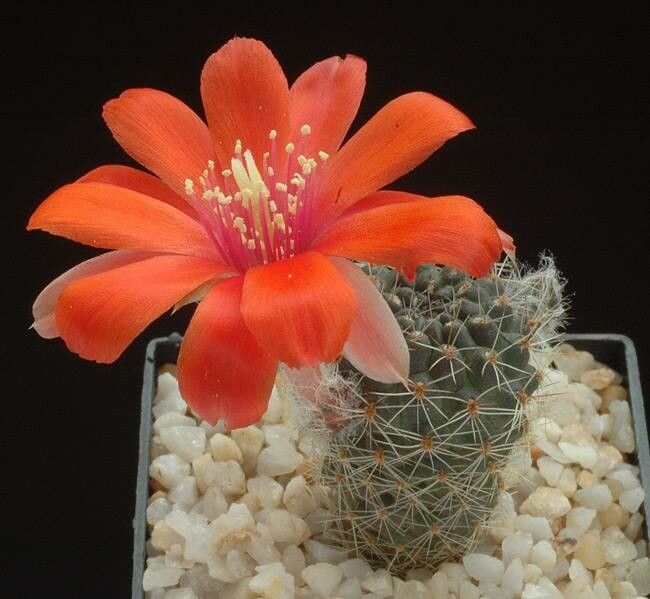
Aylostera leucanthema, often called the White-flowered Aylostera, is a captivating small cactus native to the Andes Mountains. Characterized by its delicate, usually white (though variations exist), funnel-shaped flowers and its relatively compact size, it’s a popular choice amongst cactus enthusiasts. Its ease of cultivation, coupled with its charming blossoms, makes it a rewarding plant for gardeners of all skill levels. However, propagation presents unique challenges, which we will explore in this article. While relatively easy to maintain, achieving successful propagation requires patience and attention to detail.
Seed Germination:
Seed germination is a viable method for propagating Aylostera leucanthema, though it presents some challenges. The seeds are tiny and require specific conditions for optimal germination.
Challenges: High humidity and fungal diseases are significant obstacles to overcome. Seeds can easily rot if the growing medium is too wet or poorly draining. Competition from algae can also become an issue.
Practical Tips: Sterile sowing mix is crucial. A mix of fine grit, perlite, and vermiculite provides good drainage and aeration. Sow seeds thinly onto the surface, lightly pressing them into the mix. Maintain consistent moisture using a fine spray bottle – avoiding direct watering. A warm (around 21-24°C) and bright but not directly sunny location is ideal. Some growers find success using a humidity dome to maintain higher humidity levels but ensure adequate ventilation to combat fungal growth. Stratification is generally not necessary for this species.
Rewards: Seed propagation offers the greatest genetic diversity amongst propagation methods, resulting in plants that may display variations in flower color, shape, and other characteristics. This method also allows for large-scale propagation, particularly valuable for nurseries or conservation projects.
Cuttings:
Cuttings are generally not a reliable method of propagation for Aylostera leucanthema. These cacti do not readily root from stem cuttings.
Division:
Division is a feasible method, particularly for mature, clump-forming plants.
Challenges: Care must be taken to avoid damaging the delicate roots during the separation process. Each division needs to be large enough to possess sufficient roots and stem tissue to survive.
Practical Tips: Divide the plant only during the growing season (spring or early summer). Use a clean, sharp knife or scalpel to separate the offsets carefully. Allow the cut surfaces to callus over for a few days before planting them in a well-draining cactus potting mix. Ensure proper watering to facilitate rooting without overwatering, which can lead to rot.
Rewards: Division allows the rapid increase of a preferred clone, preserving desirable traits. It’s a relatively quick and simple method compared to seed germination.
Tissue Culture:
Tissue culture is a viable, although technically demanding, method suitable for large-scale propagation of Aylostera leucanthema.
Challenges: This method requires specialized equipment, sterile conditions, and a thorough understanding of plant tissue culture techniques. It’s not a beginner-friendly method.
Practical Tips: Sterile procedures are paramount. Explants need to be carefully selected and surface sterilized, and a suitable growth medium containing plant hormones must be used. Maintaining sterile conditions will usually require a laminar airflow cabinet.
Rewards: Tissue culture allows for the rapid and large-scale propagation of disease-free plants. It’s a powerful tool for conservation efforts and commercial cultivation.
Conclusion:
Propagating Aylostera leucanthema presents varying degrees of difficulty depending on the method chosen. Seed germination, while rewarding in terms of genetic diversity, requires meticulous care. Division offers a simpler approach for already established plants, while tissue culture, though advanced, provides the highest level of control and scalability. The absence of reliable cutting propagation underscores the species’ unique traits. The unique satisfaction of cultivating this charming cactus lies not just in its beauty, but also in overcoming the challenges involved in bringing new plants to life. Whether you choose seed germination, division, or tissue culture, remember patience and attention to detail are key to success. The delicate blooms of your propagated Aylostera leucanthema will be a testament to your horticultural dedication.