
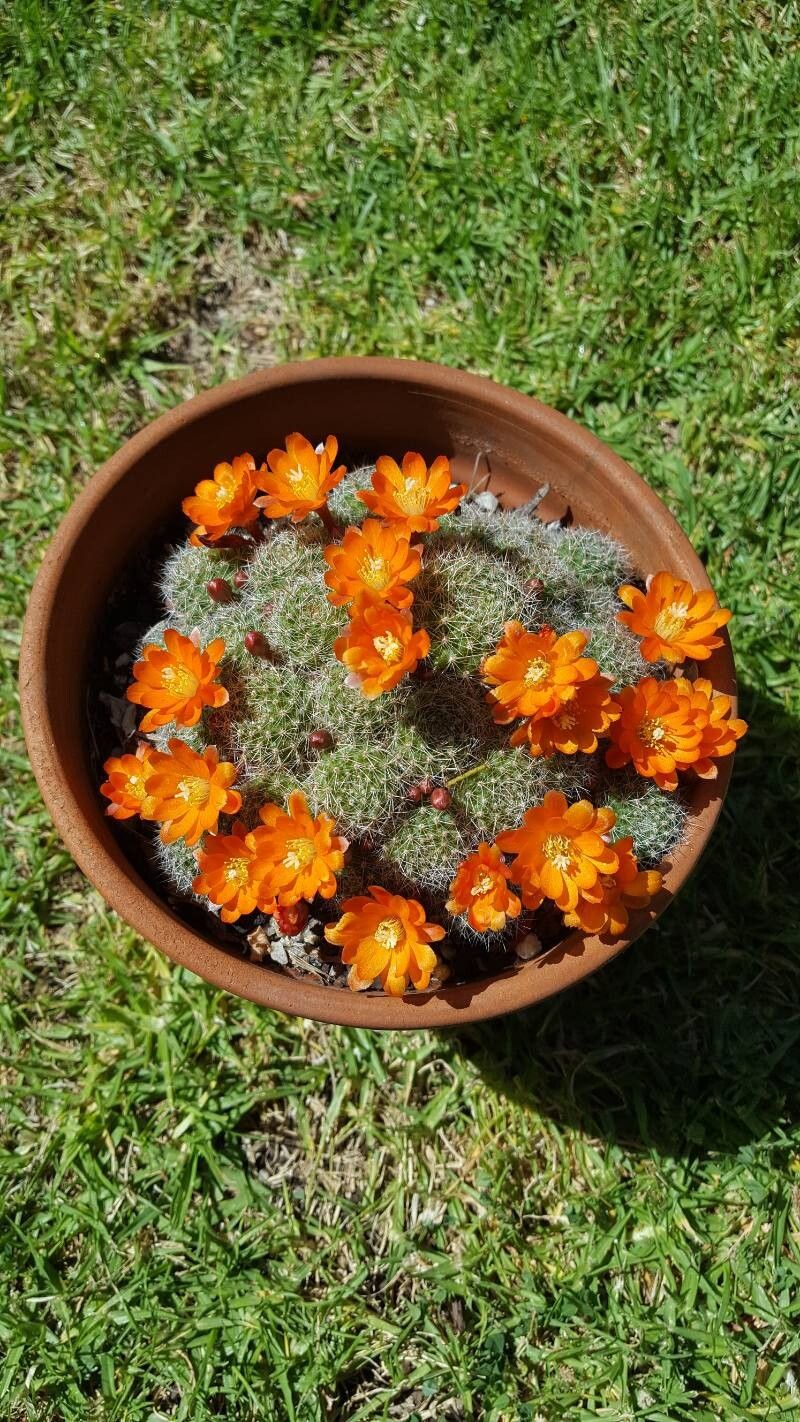
Propagating Aylostera pulvinosa: A Cushion of Challenges and Rewards
Introduction:
Aylostera pulvinosa, also known as the Cushion Cactus, is a charming miniature cactus species native to Bolivia. Its defining characteristic is its densely packed, cushion-like growth habit, formed by numerous small, cylindrical stems covered in short, white spines. Its small, vibrant flowers, typically ranging from red to pink, add to its appeal. This endearing and relatively compact cactus has earned a place in the hearts of many cacti enthusiasts due to its ease of care and delightful aesthetic. Its popularity, however, has spurred interest in its propagation, a process that, while achievable, presents some unique challenges.
Seed Germination:
Seed germination is a viable method for propagating Aylostera pulvinosa, though it requires patience and attention to detail.
Challenges: Aylostera seeds are tiny and require meticulous handling. Seedlings are delicate and are susceptible to damping-off (fungal diseases) in humid conditions. Germination rates can be variable depending on seed freshness and environmental conditions.
Practical Tips: Sow seeds on a well-draining seed-starting mix (e.g., cactus and succulent potting mix). Maintain high humidity (e.g., using a humidity dome or propagator) but ensure good ventilation to prevent fungal growth. Provide bright, indirect light. Avoid overwatering. Stratification (a period of cold treatment) is generally not necessary for this species. Sterilizing the sowing medium is crucial to reduce the risk of damping-off.
Rewards: Seed-grown plants offer the greatest genetic diversity, allowing for variations in flower color and plant form. This method also enables large-scale propagation for nurseries or enthusiasts aiming to cultivate many plants.
Cuttings:
Cuttings are a relatively straightforward method for propagating Aylostera pulvinosa.
Challenges: The small size of the stems can make taking and handling cuttings somewhat challenging. Proper wound healing is crucial to prevent rot.
Practical Tips: Use a sharp, sterile knife or blade to take stem cuttings. Allow the cuttings to callus over for a few days before planting in well-draining cactus potting mix. Avoid overwatering during the rooting process. Bottom heat can promote rooting.
Rewards: Cutting propagation offers a quicker way to obtain mature plants compared to seed germination, and each cutting retains the characteristics of the parent plant.
Division:
Division is another accessible propagation method, particularly for larger, established Aylostera pulvinosa plants.
Challenges: Carefully separating the plant without damaging the roots or stems is crucial. Overwatering after division can lead to rot.
Practical Tips: Divide the plant only when it’s actively growing. Ensure each division has a healthy root system and several stems. Plant the divisions in well-draining soil and water sparingly.
Rewards: Division is a quick and easy way to multiply established plants, maintaining the genetic characteristics of the parent plant.
Tissue Culture:
Tissue culture is a viable but more complex method.
Challenges: This method requires specialized equipment, a sterile environment, and a good understanding of plant tissue culture techniques. It is generally not a practical method for home gardeners.
Practical Tips: This method should be undertaken only by those with experience in plant tissue culture, using appropriate growth media, sterilizing solutions, and incubation conditions.
Rewards: Tissue culture allows for rapid and large-scale propagation of disease-free plants, preserving valuable genetic material, and can be used for cloning rare or desirable varieties.
Conclusion:
Propagating Aylostera pulvinosa, while presenting some challenges, is achievable using various techniques. Seed germination offers the potential for genetic diversity but requires more patience. Cuttings and division are simpler options for obtaining new plants relatively quickly, while tissue culture remains a more advanced procedure best suited to specialized settings. The satisfaction of successfully cultivating this delightful little cactus, overcoming the initial hurdles, adds significantly to the enjoyment of growing it. For aspiring propagators, patience, attention to detail, and a good understanding of cacti’s needs are key to success. Don’t be discouraged by initial setbacks – the vibrant flowering reward is well worth the effort.