
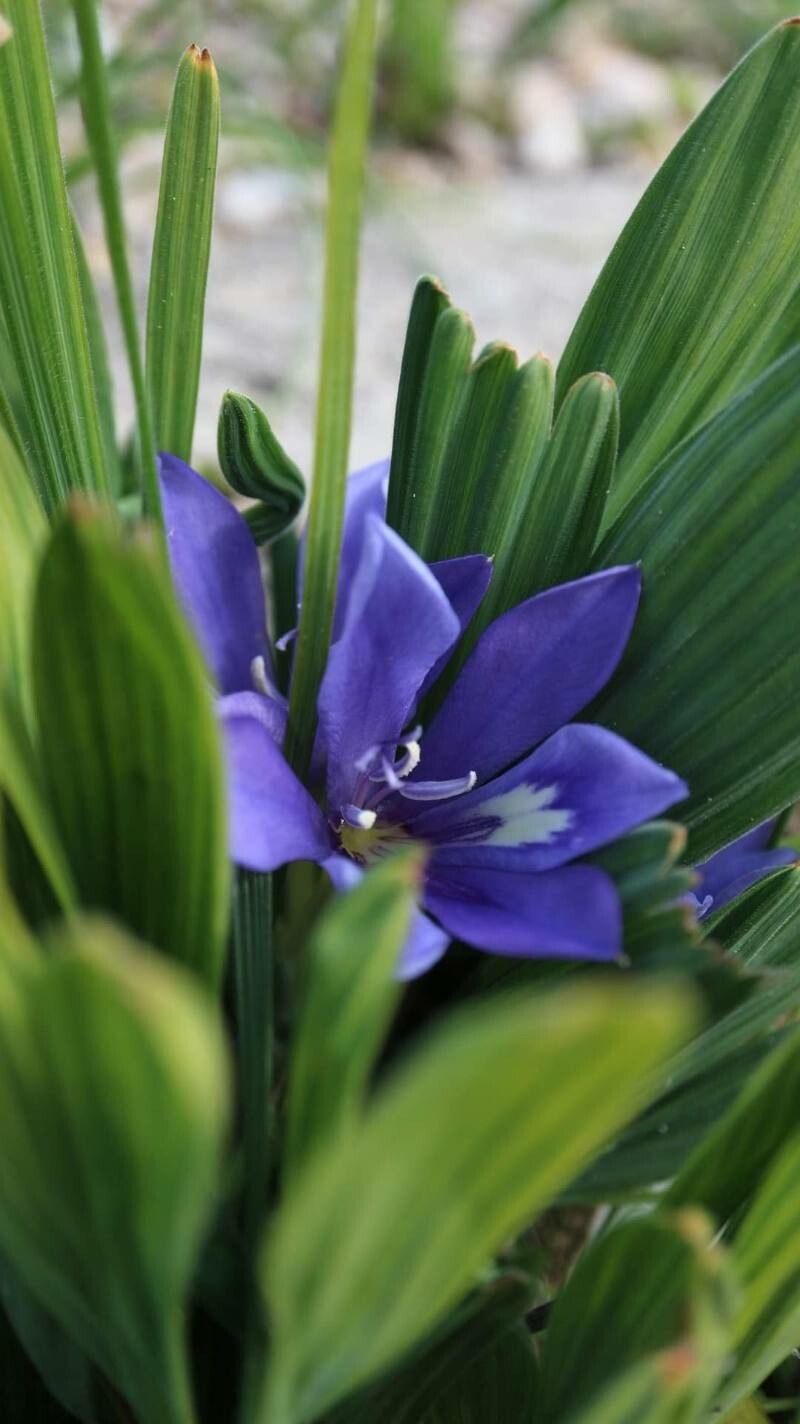
Propagating Babiana cuneata: A Gardener’s Guide to the Wedge-Leaf Babiana
Introduction:
Babiana cuneata, commonly known as the Wedge-leaf Babiana, is a captivating member of the Iridaceae family, prized for its vibrant, often blue, and occasionally purple or white, flowers. Native to South Africa, this geophyte boasts attractive foliage and a relatively compact growth habit, making it a desirable addition to rock gardens, containers, or mixed borders. Its popularity among gardeners stems from its relatively easy cultivation (once established) and the stunning display of its blooms, usually in spring. However, propagation can present some unique challenges.
Seed Germination:
Seed germination of Babiana cuneata is viable, but can be inconsistent and challenging. The primary hurdle is the hard seed coat which inhibits water uptake.
Challenges: Low germination rates are common without pretreatment. The seeds often require a period of dormancy.
Practical Tips: Scarification (slightly nicking the seed coat with a file or sandpaper) followed by stratification (a period of cold, moist treatment) is often necessary. Soak seeds in warm water for 24 hours prior to scarification. Then, sow seeds in a well-draining seed-starting mix, barely covering them with compost. Stratify at 4°C (39°F) for 6-8 weeks before moving to a warmer location (18-21°C or 64-70°F) with bright, indirect light. Maintain consistently moist (but not waterlogged) conditions.
Rewards: Successful germination offers the opportunity to create genetic diversity within your collection and to propagate a large number of plants relatively inexpensively.
Cuttings:
Currently, there are no known reliable methods for propagation of Babiana cuneata from cuttings. These plants do not readily root from stem or leaf cuttings.
Division:
Division is a highly effective method for propagating Babiana cuneata.
Challenges: Division should only be undertaken when the plant is dormant (typically summer/autumn). Care must be taken to avoid damaging the corms and the delicate roots.
Practical Tips: Carefully lift the entire clump during dormancy. Gently separate the corms, ensuring each division has healthy roots and at least one growth point. Plant the divisions immediately in well-draining soil, spacing them appropriately for their mature size.
Rewards: Division is typically highly successful, leading to rapid increase of your plant numbers and preserving desirable traits of the parent plant. This is the easiest and most reliable method.
Tissue Culture:
Tissue culture propagation of Babiana cuneata is potentially viable but remains largely unexplored in the horticultural context.
Challenges: Establishing protocols for successful in vitro cultivation of this species would require specialized laboratory equipment and expertise in plant tissue culture techniques. This is a complex and costly method.
Practical Tips: This method is not practical for home gardeners. Specialized skills and equipment are essential.
Rewards: The potential for rapid, large-scale propagation of genetically uniform plants makes tissue culture attractive for commercial purposes.
Conclusion:
Propagating Babiana cuneata presents a spectrum of challenges and rewards. While seed germination requires patience and specific techniques, it offers the greatest potential for genetic diversity. Division is the easiest and most reliable method for the home grower, offering rapid increase in plant numbers. Cuttings are currently unsuccessful. Tissue culture, while potentially highly efficient, is beyond the reach of most hobbyists. The satisfaction of successfully nurturing Babiana cuneata from seed or division, overcoming the initial hurdles, is immensely rewarding. The vibrant floral display that follows is a testament to your perseverance and horticultural skill. Don’t be discouraged by the challenges; the unique beauty of the Wedge-leaf Babiana makes the effort worthwhile. Start with division, and once confident, experiment with seed germination.