
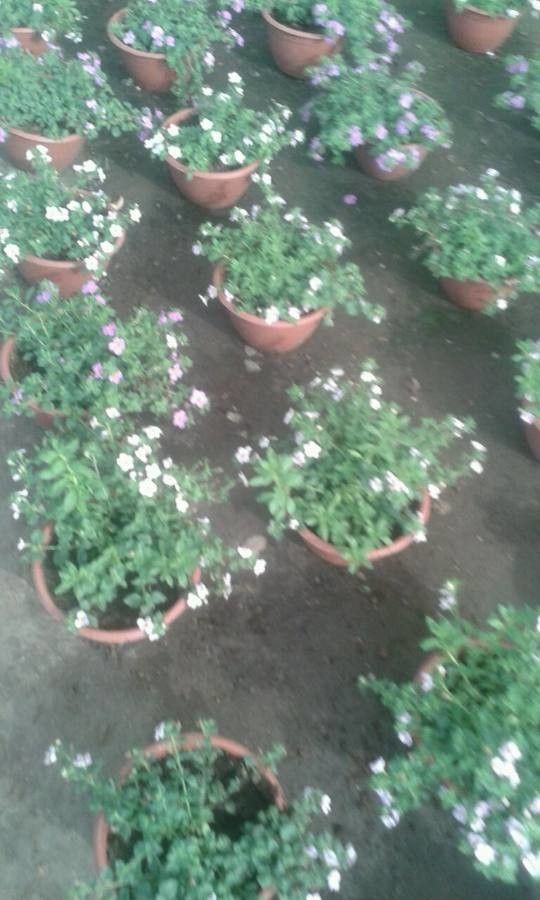
Propagating Bacopa albida: A Gardener’s Guide to Success
Introduction:
Bacopa albida, also known as white bacopa, is a charming succulent trailing plant prized for its delicate white flowers and ability to thrive in diverse conditions. Its cascading habit makes it a popular choice for hanging baskets, rock gardens, and ground cover, adding a touch of elegance to any landscape. While relatively easy to care for, propagating Bacopa albida presents some unique challenges, making successful propagation a particularly rewarding experience for the dedicated gardener. Unique aspects include its relatively slow growth compared to other Bacopa species and its sometimes reluctant response to certain propagation methods.
Seed Germination:
Currently, there are no known reliable methods for seed germination propagation of Bacopa albida. While some Bacopa species readily propagate from seed, Bacopa albida appears to have low seed viability and germination rates, making this method impractical for most home gardeners.
Cuttings:
- Challenges: Success with cuttings depends heavily on creating the right environment to stimulate rooting. Bacopa albida can be slower to root than other Bacopa varieties.
- Practical Tips: The best method is stem cuttings. Take 4-6 inch cuttings, removing the lower leaves to prevent rot. Dip the cut ends in a rooting hormone powder to boost success rates. Plant the cuttings in a well-draining, moist propagation mix (e.g., perlite and peat moss). Maintain high humidity (using a propagator or plastic bag) and bright, indirect light. Regular misting helps keep the cuttings hydrated.
- Rewards: Cuttings are generally the most reliable propagation method for Bacopa albida, offering a relatively quick way to produce genetically identical plants. This is ideal for preserving desirable traits of a particular plant.
Division:
- Challenges: Bacopa albida doesn’t readily form large, easily divisible clumps, making division a less effective method compared to cuttings. Care must be taken to avoid damaging the delicate roots.
- Practical Tips: Division is most feasible when the plant is already quite mature and well-established. Gently remove the plant from its pot, carefully separating the root ball into smaller sections, ensuring each section has adequate roots and stems. Replant immediately in well-draining soil.
- Rewards: Division allows the propagation of established plants, offering a quicker route to larger specimens than starting from cuttings. However, the limited opportunities for division significantly reduce its practical value.
Tissue Culture:
- Challenges: Tissue culture requires specialized equipment, a sterile environment, and a considerable understanding of plant tissue culture techniques. This is a highly technical method generally best left to nurseries or specialized labs.
- Practical Tips: It involves sterilizing plant material and growing it on a nutrient-rich agar medium under controlled conditions. This method can produce a large number of genetically identical plants in a short time.
- Rewards: Tissue culture offers the potential for large-scale propagation and the elimination of diseases. However, it’s expensive and requires specialized facilities and expertise.
Conclusion:
Propagating Bacopa albida presents a unique set of challenges. While seed propagation is impractical, cuttings offer the most reliable and accessible method for home gardeners. Division can be attempted with mature plants but offers limited success. Tissue culture is a powerful option for large-scale propagation but necessitates specialized skills and resources. The rewards, however, are well worth the effort. Successfully propagating this delicate beauty, especially through cuttings, brings a profound sense of accomplishment, exceeding the simple joy of acquiring a new plant. Don’t be discouraged by initial setbacks; persistence, attention to detail, and a willingness to learn are key to mastering the art of propagating Bacopa albida and enjoying its elegant beauty for years to come.