
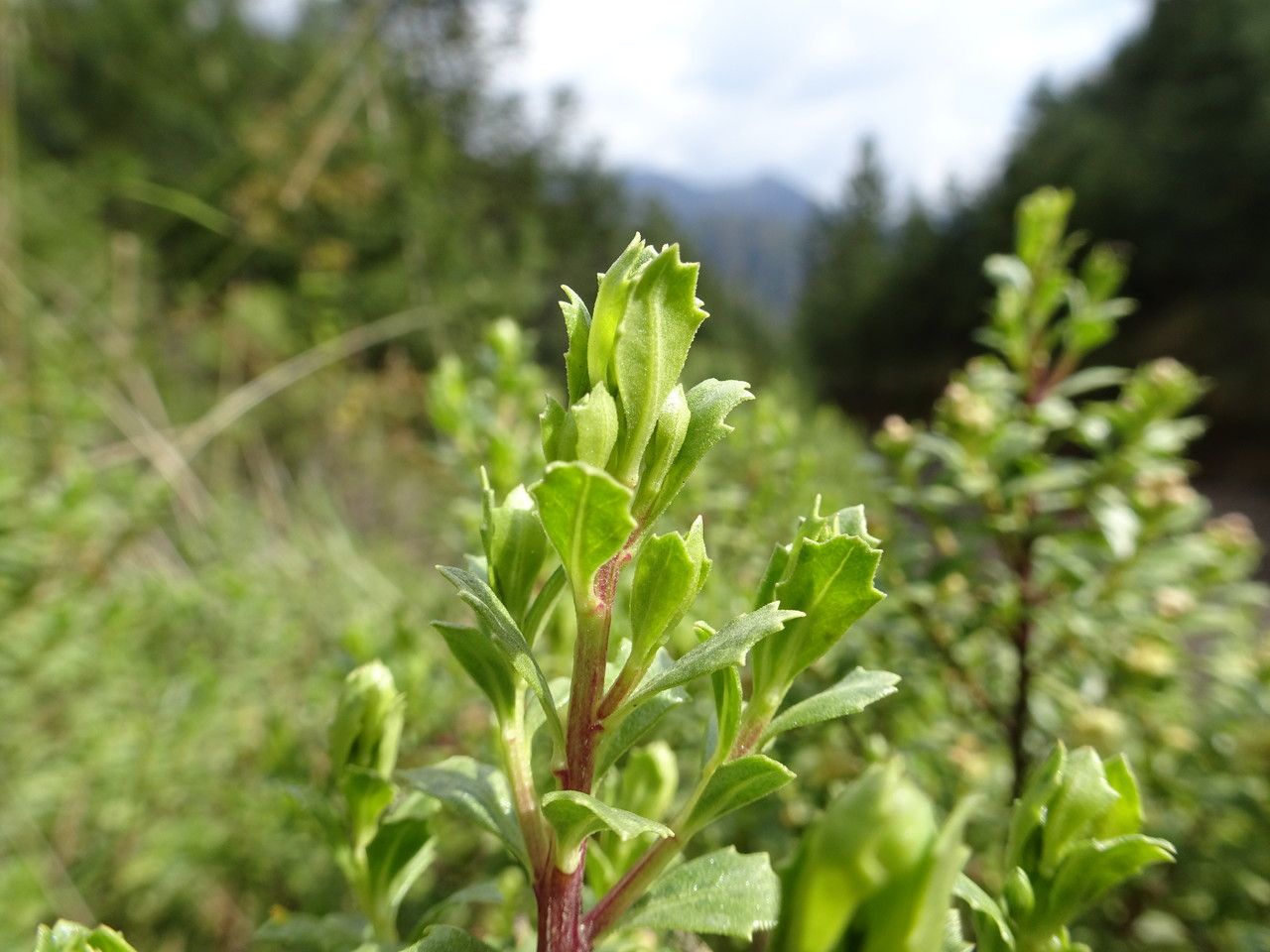
Propagating Baccharis conferta: The Challenges and Rewards of Growing the Stiff Baccharis
Introduction
Baccharis conferta, commonly known as Stiff Baccharis or Mule Fat, is a resilient, drought-tolerant shrub appreciated for its silvery foliage and adaptability. Its dense, attractive form makes it a popular choice among gardeners seeking low-maintenance landscaping in arid and semi-arid regions. However, propagating this plant presents unique challenges, making the successful cultivation of new plants a rewarding endeavor. Its relatively slow growth also contributes to the desirability of efficient propagation techniques.
Seed Germination
Currently, there are no known reliable methods for seed germination propagation of Baccharis conferta. While the plant does produce seeds, their germination rate is extremely low, and successful germination under controlled conditions has not been consistently replicated. Further research is needed to determine if specific pre-treatment techniques, such as scarification or specific temperature regimes, could improve germination success.
Cuttings
Cuttings offer a more reliable method for propagating Baccharis conferta.
Challenges: Success depends heavily on the timing and technique. Hardwood cuttings taken in late autumn or winter often prove more successful than softwood cuttings. The plant’s tendency to rot easily necessitates careful attention to sanitation and the prevention of fungal diseases.
Practical Tips: Take cuttings of about 6-8 inches long, removing lower leaves before dipping the cut ends in a rooting hormone. Plant the cuttings in a well-draining medium (e.g., a mix of perlite and peat moss) and maintain consistently moist but not soggy conditions. Misting regularly helps to prevent desiccation. High humidity and bottom heat can improve rooting success.
- Rewards: Cuttings offer a relatively quick and straightforward approach to increasing the number of plants, preserving the genetic traits of the parent plant, and avoiding the uncertainties associated with seed propagation.
Division
Division is a feasible propagation method, especially for established plants.
Challenges: Successful division requires careful handling to avoid damaging the root system, which is often quite extensive. The plant’s size may necessitate the use of specialized tools and careful planning. Poorly divided plants may struggle to recover and may not thrive.
Practical Tips: Divide the plant in the early spring or fall when the plant is actively growing or dormant, respectively. Ensure each division contains a healthy portion of roots and sufficient stems. Plant the divisions in well-prepared soil, ensuring adequate spacing for growth.
- Rewards: Division can be a rapid way to increase plant numbers, particularly well-suited for gardeners with already established, mature Baccharis conferta plants.
Tissue Culture
Tissue culture offers the potential for mass propagation of Baccharis conferta but is a specialized technique requiring laboratory facilities and expertise.
Challenges: Establishing aseptic conditions to prevent contamination is essential. Optimizing the growth medium’s nutrient composition and hormonal balance requires significant experimentation. This method is expensive and requires specialized training and equipment.
Practical Tips: Sterile protocols are crucial; this includes surface sterilization of plant materials and the use of sterile equipment and media. Experimentation with various growth regulators and nutrient formulations is necessary to achieve optimal shoot proliferation and rooting.
- Rewards: Tissue culture offers the highest potential for rapid multiplication of genetically uniform plants, ideal for large-scale commercial propagation or conservation efforts.
Conclusion
Propagating Baccharis conferta presents varying degrees of challenge across different methods. While seed germination currently poses significant hurdles, cuttings offer a relatively accessible and reliable option. Division is suitable for gardeners with established plants, while tissue culture provides a sophisticated method for large-scale production. The rewards, however, are worth the effort. Successfully growing new Baccharis conferta plants—whether from a simple cutting or through the intricacies of tissue culture—provides a unique sense of accomplishment, a testament to the perseverance and understanding required to cultivate this attractive and resilient shrub. For aspiring propagators, starting with cuttings and paying meticulous attention to detail will offer the highest likelihood of success.