
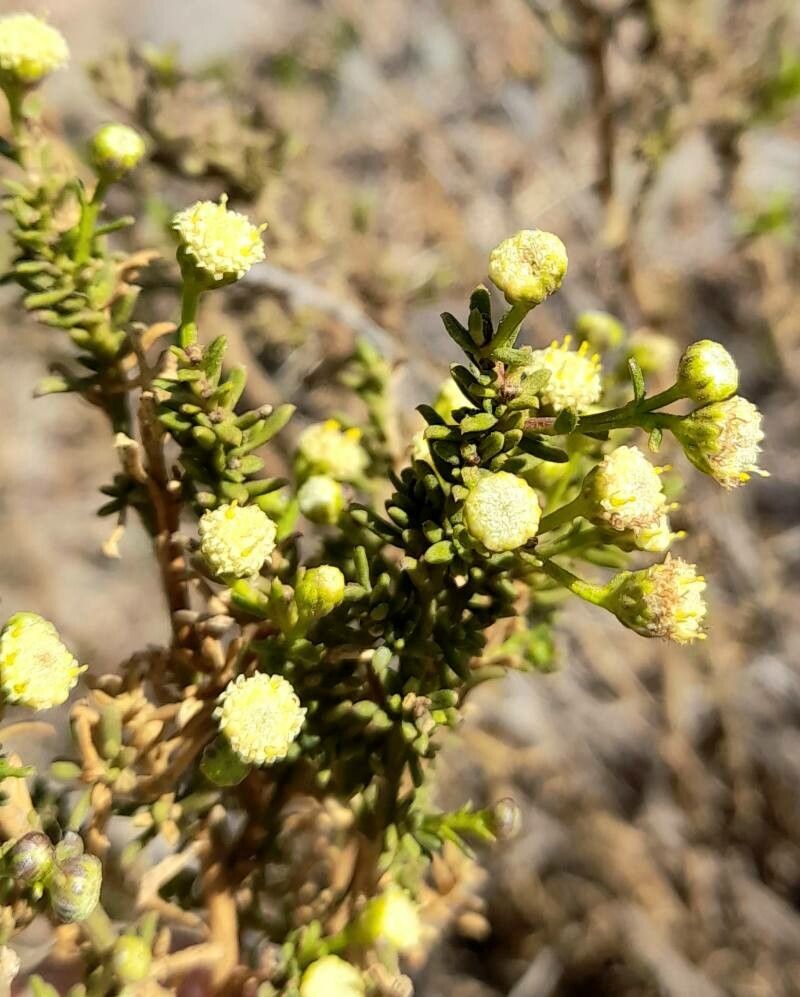
Propagating Baccharis boliviensis: A Gardener’s Guide to the Bolivian Baccharis
Introduction
Baccharis boliviensis, often called Bolivian Baccharis or, less commonly, "chamico," is a resilient shrub prized for its silvery foliage and adaptability. Its relatively low maintenance needs and tolerance for various soil types have made it increasingly popular among gardeners seeking drought-tolerant landscaping options. While not as widely cultivated as some other shrubs, its unique appearance and ease of care make it a rewarding addition to any garden. Its propagation, however, presents some specific challenges that we will explore here.
Seed Germination:
Currently, there are no known reliable methods for seed germination propagation of Baccharis boliviensis. While the plant produces seeds, their viability and germination rate are reportedly extremely low, making seed propagation impractical for most gardeners. Further research into specific seed treatment techniques might be needed to unlock this propagation method.
Cuttings:
Cuttings offer a more viable method for propagating Baccharis boliviensis.
- Challenges: Obtaining healthy, actively growing cuttings is crucial. Overly woody cuttings root poorly. The timing of the propagation is also important; late spring or early summer, when the plant is actively growing, yields the best results.
- Practical Tips: Take semi-hardwood cuttings, about 4-6 inches long, from new growth. Remove lower leaves to prevent rot and dip the cut ends in rooting hormone powder. Plant the cuttings in a well-draining propagation mix (e.g., a mixture of perlite and peat moss) and maintain consistent moisture. High humidity, achieved with a plastic bag or humidity dome, significantly increases success rates.
- Rewards: Cuttings offer a relatively quick and simple method of producing genetically identical plants to the mother plant, preserving desirable traits. It’s ideal for smaller-scale propagation.
Division:
Division is another feasible method, but with limitations.
- Challenges: Baccharis boliviensis may not readily form extensive root systems suitable for division, limiting this method’s effectiveness. Dividing established plants runs the risk of damaging the root system, potentially harming the parent plant. Plants must be large enough to warrant division.
- Practical Tips: Division should only be attempted on well-established, mature plants. Carefully dig up the plant, gently separating the root ball into multiple sections, ensuring each section has sufficient roots and stems. Replant the divisions immediately, ensuring adequate watering and providing some shade until they recover.
- Rewards: Division allows for quick multiplication of existing plants, especially if the plant has formed a clump, offering a larger number of plants compared to cuttings. It is less labor-intensive than cuttings for larger clones.
Tissue Culture:
Tissue culture is a possible method, though not widely practiced for Baccharis boliviensis.
- Challenges: This method requires specialized equipment, technical expertise, and a sterile laboratory environment. It’s a more complex and expensive process than other propagation methods. Optimal media compositions and growth regulators may require experimentation to determine the best protocol.
- Practical Tips: This method is generally best left to professional nurseries or research institutions. Finding a lab specializing in shrub propagation and using sterile procedures is vital for success.
- Rewards: Tissue culture offers almost limitless multiplication of plants, producing disease-free clones and allowing for rapid scaling-up of propagation if a successful protocol is established.
Conclusion
Propagating Baccharis boliviensis presents unique challenges. While seed germination proves currently unreliable, cuttings offer a straightforward approach for most home gardeners. Division provides a viable alternative for established plants, but requires careful handling. Tissue culture offers potentially the most efficient large-scale propagation option but necessitates specialized knowledge and equipment. The rewards of successfully propagating this attractive shrub—whether it’s the satisfaction of creating multiple plants from a single cutting, or the impressive results of tissue culture—are well worth the effort. Don’t be discouraged by initial setbacks; perseverance and attention to detail are key to success with this unique and rewarding plant. Remember to always select healthy plant material and maintain optimal growing conditions to maximize your chances of success.