
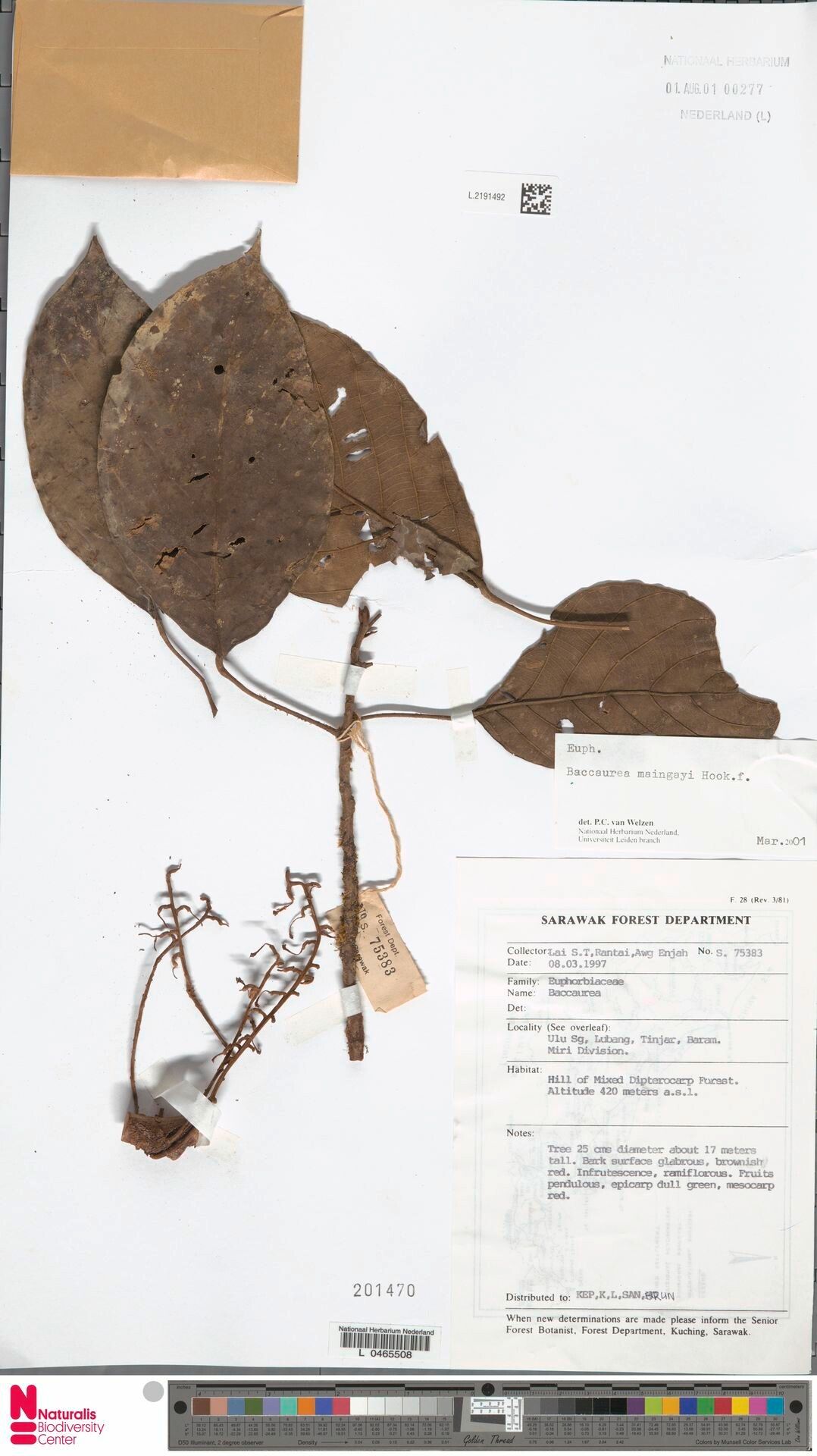
Propagating Baccaurea maingayi: A Gardener’s Challenge and Triumph
Baccaurea maingayi, also known as the wild mangosteen or sometimes simply as maingayi, is a fascinating fruit tree belonging to the Phyllanthaceae family. Native to Southeast Asia, it’s prized for its delicious, slightly acidic fruits resembling smaller mangosteens. Its compact habit and attractive foliage make it a desirable addition to tropical and subtropical gardens, although its propagation presents several unique challenges. While its popularity amongst gardeners is growing, successful propagation requires patience, attention to detail, and a willingness to experiment.
Seed Germination:
Currently, there are no known reliable methods for seed germination propagation of Baccaurea maingayi. While seeds may occasionally germinate under ideal conditions, the success rate is extremely low, and consistent germination has not been achieved reliably. The primary challenge likely lies in the seed’s dormancy mechanisms and the specific environmental conditions required for breaking dormancy, which remain largely unexplored. Further research into seed pretreatment techniques (e.g., scarification, stratification) is needed before seed germination can be considered a viable method.
Cuttings:
Propagation via cuttings offers a more promising approach than seed germination. However, it also presents considerable challenges. Success primarily relies on using semi-hardwood cuttings taken from actively growing shoots during the appropriate season (typically after flowering).
Challenges: The cuttings are prone to fungal infections and have a relatively low rooting success rate.
Practical Tips: Using a rooting hormone, maintaining high humidity (e.g., using a humidity dome or propagator), and utilizing a well-draining rooting medium (e.g., a mix of perlite and peat moss) are crucial. Regular misting and careful monitoring for disease are essential for success.
Rewards: Successful propagation from cuttings ensures the preservation of desirable traits from the parent plant, making it valuable for maintaining specific cultivars with superior fruit quality or growth habits.
Division:
Division is generally not a viable method for propagating Baccaurea maingayi. This species does not readily form suckers or readily separate into independent plants.
Tissue Culture:
Tissue culture offers the most promising method for large-scale propagation of Baccaurea maingayi.
Challenges: Establishing aseptic conditions and identifying the optimal growth media and plant hormones are crucial for success. This technique requires specialized equipment and knowledge, usually found in laboratories or research institutions. This method can be expensive and time-consuming.
Practical Tips: Collaboration with experienced tissue culture labs is strongly advised. Expertise in sterilization, media preparation, and subculturing is essential.
Rewards: Tissue culture offers the potential for rapid and large-scale multiplication of superior genotypes, eliminating the challenges associated with other propagation methods and enabling wider access to this valuable fruit tree.
Conclusion:
Propagating Baccaurea maingayi presents a significant challenge for most home gardeners. While seed germination is currently unreliable, cuttings offer a feasible albeit challenging option with a low success rate. Division is not applicable. Tissue culture holds the greatest long-term promise for efficient and large-scale propagation but requires specialized knowledge and equipment. The rewards, however, are significant: the opportunity to cultivate this unique and delicious fruit tree, expanding its presence in gardens and potentially contributing to its conservation. The unique satisfaction derived from successfully propagating Baccaurea maingayi, despite the difficulties, is a testament to the gardener’s perseverance and a significant accomplishment worthy of celebration. For home gardeners, focusing efforts on mastering cutting propagation techniques, combined with meticulous care and attention, is the most realistic path to success. For those with access to resources, exploring tissue culture offers the greatest opportunity for propagating this fascinating species on a larger scale.