
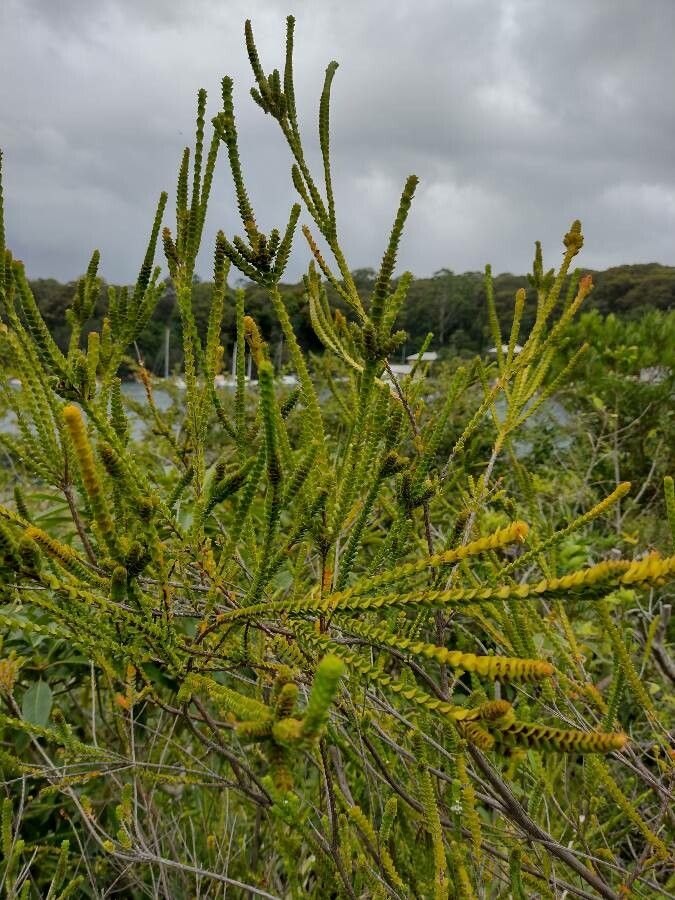
Propagating Baeckea imbricata: A Gardener’s Guide to the Coastal Rosemary
Baeckea imbricata, commonly known as coastal rosemary, is a charming Australian native shrub prized for its delicate, needle-like foliage and profusion of small, white or pink flowers. Its compact habit and tolerance of coastal conditions make it a popular choice for rockeries, coastal gardens, and even bonsai cultivation. However, propagating this beautiful plant presents unique challenges. Its popularity among gardeners fuels the ongoing search for effective propagation methods.
Seed Germination:
Currently, there are no known reliable methods for seed germination propagation of Baeckea imbricata. While seeds may be produced, their viability is notoriously low, and germination rates are extremely poor, rendering this method impractical for most gardeners.
Cuttings:
Cuttings offer a more reliable method for propagating Baeckea imbricata.
Challenges: Success relies on precise timing and technique. The hardiness of the stems can make rooting difficult.
Practical Tips: Semi-hardwood cuttings taken in late spring or early summer generally show better results. Use a sharp knife or shears to take 8-10cm cuttings from the current season’s growth. Remove lower leaves to prevent rot, and dip the cut end in a rooting hormone powder. Plant cuttings in a well-draining potting mix, ideally a mix of perlite and peat moss, ensuring good humidity. Mist regularly and maintain high humidity using a propagator or plastic bag. Rooting can take several weeks to months.
Rewards: This method yields clones of the parent plant, ensuring preservation of desirable characteristics, and allowing for relatively quick propagation of smaller quantities of plants.
Division:
Division is also possible, but it’s limited to established plants.
Challenges: Baeckea imbricata doesn’t readily lend itself to division, as it doesn’t naturally form dense root clusters. Aggressive root disturbance can damage the plant.
Practical Tips: Division should only be attempted on mature plants during the dormant season (usually winter). Carefully dig up the plant and gently separate sections with well-established root systems. Replant immediately in suitable conditions.
Rewards: Division can be a relatively quick and straightforward way to increase the number of plants, provided the plant is sizable and the division is carefully performed.
Tissue Culture:
Tissue culture presents a potential solution for large-scale propagation.
Challenges: Establishing a reliable tissue culture protocol for Baeckea imbricata requires specialized equipment, expertise, and sterile conditions. This method is not feasible for the average home gardener.
Practical Tips: This method requires a controlled laboratory environment and skilled technicians versed in plant tissue culture techniques.
Rewards: Tissue culture offers the potential for mass propagation, producing uniform plants free from diseases, and allowing for the exploration of genetic improvements.
Conclusion:
Propagating Baeckea imbricata presents a unique set of challenges. While seed germination proves unreliable, cuttings offer a viable option for the enthusiastic home gardener, albeit demanding patience and attention to detail. Division is possible but infrequent. Tissue culture holds the greatest potential for large-scale production, but remains the domain of specialized facilities.
The satisfaction of successfully propagating coastal rosemary, however, far outweighs the difficulties. The rewards of nurturing a tiny cutting into a thriving shrub, or coaxing a division to flourish, provide a profound connection to the natural world and a deep sense of accomplishment. To aspiring propagators, I offer this encouragement: embrace the challenge, be patient, and celebrate your successes, no matter how small. Remember that even minor setbacks offer valuable learning experiences in your journey to cultivating this beautifully resilient plant.