
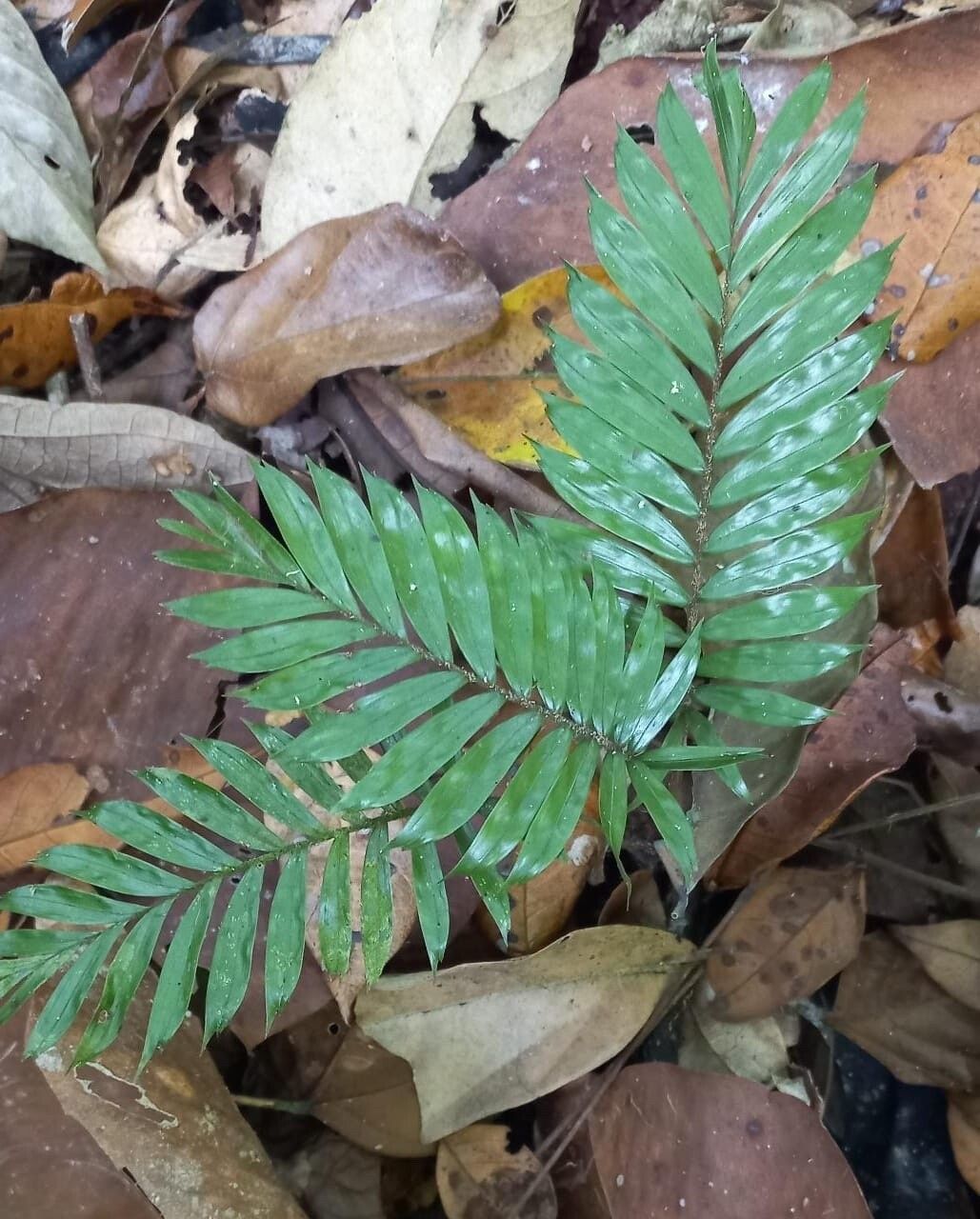
Propagating the Elegant Palm: A Guide to Bactris elegans
Introduction:
Bactris elegans, commonly known as the elegant spindle palm or the peach palm (though not to be confused with Bactris gasipaes), is a captivating species prized for its slender, cane-like stems adorned with elegant, feathery foliage. Its relatively compact size and attractive appearance make it a popular choice among gardeners seeking an exotic yet manageable addition to their landscape or indoor collection. However, propagation of Bactris elegans presents unique challenges, making successful cultivation a rewarding experience for the determined enthusiast. This article explores various propagation techniques, outlining their viability and offering practical guidance.
Seed Germination:
Currently, there are no known reliable methods for seed germination propagation of Bactris elegans. While the plant produces seeds, their germination rate is notoriously low and inconsistent, even under optimal conditions. Further research is needed to determine if specific pre-treatments or environmental factors can improve germination success.
Cuttings:
Viability: Propagating Bactris elegans from cuttings is also unreliable. The plant’s stem structure and physiology don’t lend itself well to the development of adventitious roots from stem cuttings.
Challenges: Even with the use of rooting hormones and humidity domes, the likelihood of successful rooting remains extremely low. The cutting’s tendency to rot before root formation outweighs any positive outcome.
Rewards: If successful (which is unlikely with current knowledge), cuttings offer the advantage of creating genetically identical copies of the parent plant, preserving desirable traits.
Division:
Viability: Division is potentially the most practical, albeit still challenging method of propagation for Bactris elegans, but only applicable to established, multi-stemmed plants.
Challenges: Carefully separating the offshoots (suckers) from the main plant requires skill to avoid injuring the roots and stems of both the parent plant and the offshoots. This process can be quite destructive if not carefully executed. Successful establishment of the divided plants relies on providing optimal environmental conditions to minimize transplant shock.
Rewards: Division allows for relatively quick increases in plant numbers, compared to other methods. It offers a higher rate of success than seed germination or cuttings, although skill and care are crucial for success.
Tissue Culture:
Viability: Tissue culture presents the most promising, though also the most technically demanding, method for propagating Bactris elegans.
Challenges: Establishing a sterile culture and finding the optimal growth media and hormonal formulations for Bactris elegans requires specialized knowledge and laboratory equipment. This method is not feasible for home propagation.
Rewards: Tissue culture offers the potential for large-scale propagation, producing numerous genetically identical plants quickly and efficiently. This is particularly advantageous for conservation efforts or commercial production.
Conclusion:
Propagating Bactris elegans presents a significant horticultural challenge. While seed germination and cuttings currently seem impractical, division offers a somewhat achievable option for experienced gardeners. Tissue culture holds the greatest potential for large-scale propagation but requires specialized expertise and resources. The challenges in propagating this elegant palm only heighten the sense of accomplishment when success is achieved. For those ready to accept the challenges, the unique beauty of Bactris elegans makes the effort worthwhile. Don’t be discouraged by setbacks – persistent experimentation and meticulous care are key to mastering the propagation of this beautiful, yet challenging palm. Remember to focus on providing optimal conditions for each propagation method and be patient; the rewards of cultivating this elegant palm are well worth the effort.