
Propagating Balanophora laxiflora: A Challenging but Rewarding Endeavor
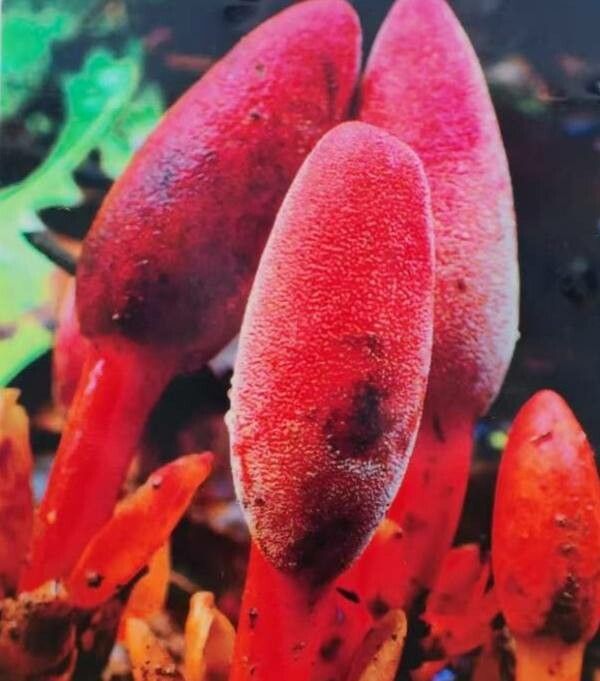
Balanophora laxiflora, a species belonging to the Balanophoraceae family, is a fascinating parasitic plant often lacking common names in widespread use. Its distinctive appearance, characterized by fleshy, often reddish-brown stems and unique inflorescences, holds a certain allure for specialist gardeners. However, its parasitic nature and complex biology present significant challenges in propagation. Its relative rarity in cultivation only enhances its appeal and the satisfaction derived from successful propagation.
Seed Germination:
Currently, there are no known reliable methods for seed germination propagation of Balanophora laxiflora. The seeds are likely to have very specific germination requirements tied to their host plant and potentially mycorrhizal associations, which are currently not understood. Research into the intricacies of its seed biology and symbiotic relationships is necessary before seed germination can be considered a viable propagation method.
Cuttings:
Successfully propagating Balanophora laxiflora through cuttings has not been documented. The plant’s parasitic nature necessitates a constant connection to its host, making the independent survival of a detached cutting highly improbable. The lack of chlorophyll also severely limits its ability to produce energy through photosynthesis, further hindering the success of any cutting propagation attempt.
Division:
Division offers a potentially more promising, though still challenging, avenue for propagation. If a mature Balanophora laxiflora plant is found with multiple stems emanating from a central point, careful division of the root system, ensuring each section retains a viable portion of the root and potentially attached host tissue, might yield success. However, this method is highly dependent on the plant’s specific growth habit and the health of the associated root system. Even with careful division, the survival rate would likely remain low, requiring meticulous care and a suitable host plant. The reward of this approach, if successful, would be the quicker increase of genetically identical plants compared to other methods.
Tissue Culture:
Tissue culture, employing sterile conditions and specialized media, presents the most promising, yet technologically demanding, avenue for Balanophora laxiflora propagation. While not yet extensively investigated for this species, this method may bypass the need for seeds or cuttings, offering the potential to propagate plants from small tissue samples. However, its success would necessitate significant expertise in plant tissue culture techniques, potentially requiring experiments to determine suitable culture media and growth regulators needed to initiate and maintain growth in a sterile environment. Additionally, the identification of appropriate host plant cells or extracts to support the parasite’s growth within the culture may be crucial and currently unknown.
Conclusion:
Propagating Balanophora laxiflora remains a formidable undertaking. While seed germination and cuttings appear unviable with current knowledge, careful division offers a limited possibility, albeit with a low success rate. Tissue culture presents the most scientifically promising long-term approach, though it demands significant expertise and research. The challenges intrinsic to cultivating this parasitic plant underscore the uniqueness and satisfaction of its successful cultivation. The rewards—expanding the availability of this intriguing botanical wonder—provide ample motivation for dedicated researchers and horticulturists to explore these challenging methods. Aspiring propagators should focus on understanding the plant’s parasitic nature, its host requirements, and possibly exploring collaborations with researchers specializing in plant tissue culture to increase chances of success.