
Propagating Baloghia inophylla: A Gardener’s Guide to the Rusty Shield-bearing Tree
Introduction:
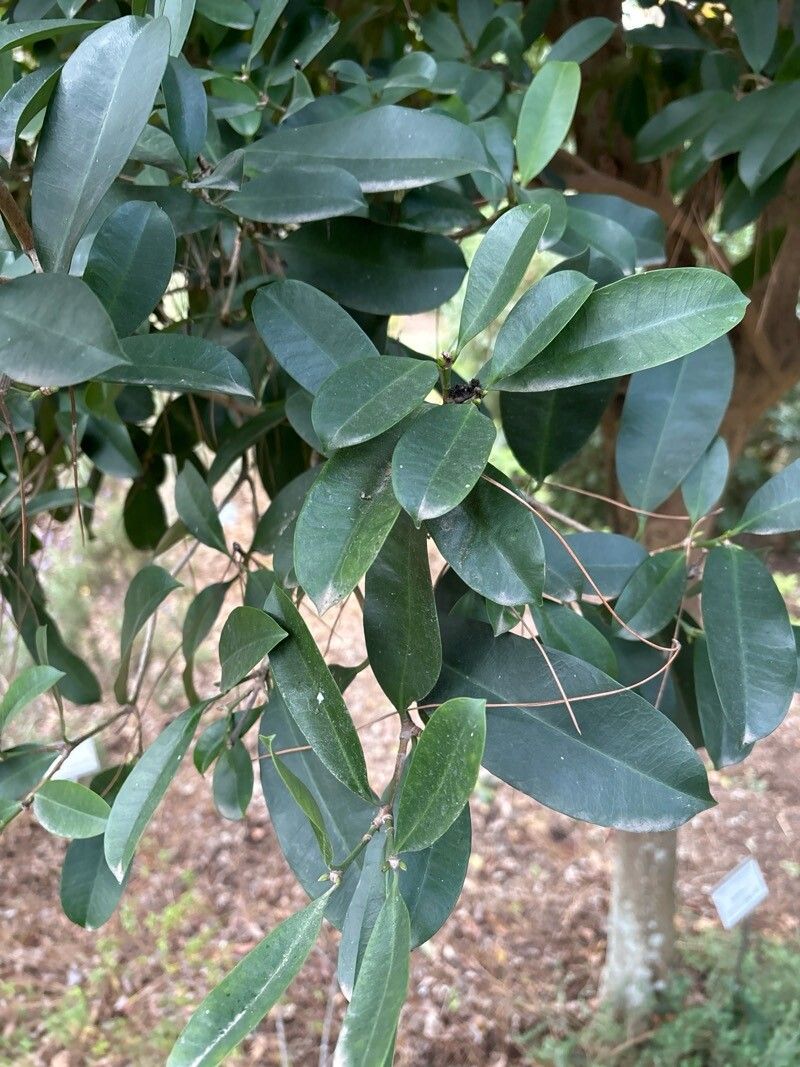
Baloghia inophylla, commonly known as the rusty shield-bearing tree (or sometimes as the rusty shield flower), is a captivating species valued for its striking, rusty-colored foliage and attractive, small flowers. Its unique appearance and relatively moderate growth habit make it a sought-after plant among gardeners, particularly those interested in cultivating unusual or native species. However, its propagation can present some challenges, making successful cultivation a rewarding experience. The following explores the various methods available, highlighting their efficacy and practical considerations.
Seed Germination:
Currently, there are no known reliable methods for seed germination propagation of Baloghia inophylla. While seeds may be produced, germination rates are reportedly extremely low, possibly due to a complex dormancy mechanism not yet fully understood. Further research is needed to determine if pre-treatment techniques could improve germination success.
Cuttings:
Cuttings present a far more promising avenue for propagating Baloghia inophylla. The use of semi-hardwood cuttings taken from new growth in late summer or early autumn shows some success.
Challenges: The primary challenge lies in achieving successful rooting. Cuttings can be prone to fungal infections and rot if not kept in a sterile and well-ventilated environment. The rooting process can be slow, taking several weeks or even months.
Practical Tips: Prepare cuttings approximately 10-15 cm long, removing lower leaves and dipping the cut ends in a rooting hormone powder. Plant cuttings in a well-draining propagation mix, ensuring good humidity through misting or using a humidity dome. Maintain a temperature of around 20-25°C.
Rewards: This method offers good genetic fidelity, ensuring that new plants mirror the characteristics of the mother plant.
Division:
Division is not a practical method for propagating Baloghia inophylla. This species generally does not form easily divisible clumps or suckers.
Tissue Culture:
Tissue culture offers the potential for large-scale propagation of Baloghia inophylla, overcoming some limitations associated with seed germination and cuttings.
Challenges: Establishing sterile tissue culture protocols for Baloghia inophylla would require specialized knowledge, equipment, and a controlled environment. Cost can be a significant factor.
Practical Tips: This method is best left to experienced tissue culture laboratories. Successful propagation would involve sterilizing plant material, culturing on appropriate growth media, and subculturing for plant multiplication.
Rewards: Tissue culture could potentially bypass the slow and unpredictable nature of cuttings, enabling rapid and controlled propagation of high numbers of uniform plants.
Conclusion:
Propagating Baloghia inophylla presents distinct challenges across all methods explored. While seed germination remains unreliable, cuttings offer a reasonable, albeit slow and potentially challenging, alternative for the keen gardener with patience. Tissue culture offers the most promising method for large-scale production, but requires specialized expertise and resources.
The unique satisfaction in successfully cultivating Baloghia inophylla comes from overcoming these hurdles. The beauty of this unique plant rewards the perseverance of even the most determined gardener. For those interested in propagating this species, patience, attention to detail, and potentially some experimentation are key to success. Starting with cuttings, while acknowledging the possibility of setbacks, is recommended as a practical first step toward enjoying the beauty of this rust-coloured wonder in your garden.