
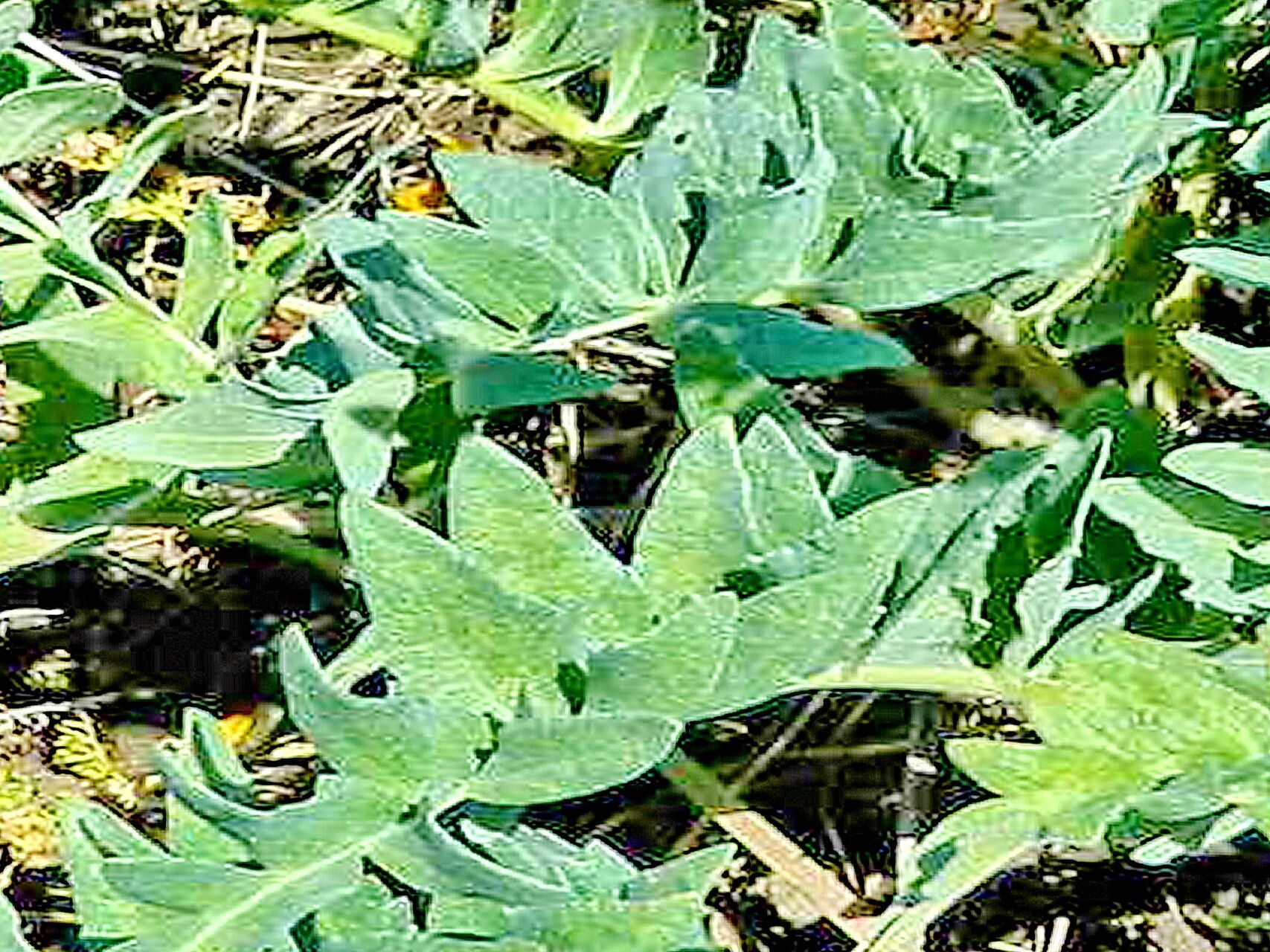
Propagating Balsamorhiza incana: The Challenges and Rewards of Cultivating the Gray Balsamroot
Introduction:
Balsamorhiza incana, commonly known as Gray Balsamroot, is a striking native perennial of western North America. This robust plant boasts large, heart-shaped basal leaves and tall stalks bearing showy yellow flower heads. Its drought tolerance, beautiful blooms, and ecological importance have made it increasingly popular among gardeners seeking native and low-maintenance landscaping options. However, propagating Gray Balsamroot can present unique challenges, requiring patience and a nuanced understanding of its reproductive biology. This article explores various propagation methods, weighing their viability and effectiveness.
Seed Germination:
Seed germination for Balsamorhiza incana is viable, but presents significant challenges. The seeds possess a hard seed coat and often require stratification—a period of cold, moist treatment—to break dormancy.
Challenges: Low germination rates are common even with stratification. Improperly timed or executed stratification can lead to poor or no germination. The seeds are also susceptible to fungal diseases if the environment is too moist.
Tips: Sow seeds in autumn outdoors in a well-drained seedbed, allowing for natural stratification over winter. Alternatively, artificially stratify seeds for 60-90 days at temperatures between 33-40°F (0-4°C) in a moist medium (e.g., vermiculite or perlite) before sowing indoors under controlled conditions. Use a well-draining seed-starting mix and avoid overwatering.
Rewards: Successful seed germination offers the advantage of significant genetic diversity, allowing for a wider range of plant characteristics and increased resilience to disease. It also allows for large-scale propagation, making it a practical option for restoration projects or wholesale nurseries.
Cuttings:
Currently, there are no known reliable methods for propagating Balsamorhiza incana from cuttings. The plant’s physiology does not readily lend itself to this form of vegetative propagation.
Division:
Division is a viable and relatively successful method for propagating Gray Balsamroot.
Challenges: Division should be undertaken during the plant’s dormant period (late autumn or early spring) to minimize stress. Improper division can damage the root system, leading to plant failure. Careful handling is essential to protect the extensive taproot.
Tips: Carefully dig up established plants and gently separate them into smaller clumps, ensuring each division contains a healthy portion of the root system and several viable buds. Plant immediately in well-drained soil, ensuring adequate spacing for growth.
Rewards: Division is a quick and efficient method that produces readily established, genetically identical plants. It allows for the easy propagation of superior cultivars or particularly desirable specimens.
Tissue Culture:
There is limited information available regarding the successful tissue culture propagation of Balsamorhiza incana. Further research is needed to establish reliable protocols. Currently, this method is considered unreliable.
Conclusion:
Propagating Gray Balsamroot presents unique challenges, with seed germination proving difficult despite being viable. Division offers the most reliable method for home gardeners, while tissue culture remains largely unexplored. The rewards of successfully cultivating this beautiful native plant, however, are substantial. The patience and attention required to overcome the propagation challenges instill a profound sense of satisfaction. For aspiring propagators, starting with division is recommended, while experimenting with carefully controlled seed stratification might yield rewarding results over time. Remember to prioritize well-drained soil and careful handling, respecting the plant’s robust but sensitive nature. The joy of witnessing the vibrant yellow blossoms flourishing from your own propagated Gray Balsamroot is a testament to dedication and a worthy reward.