
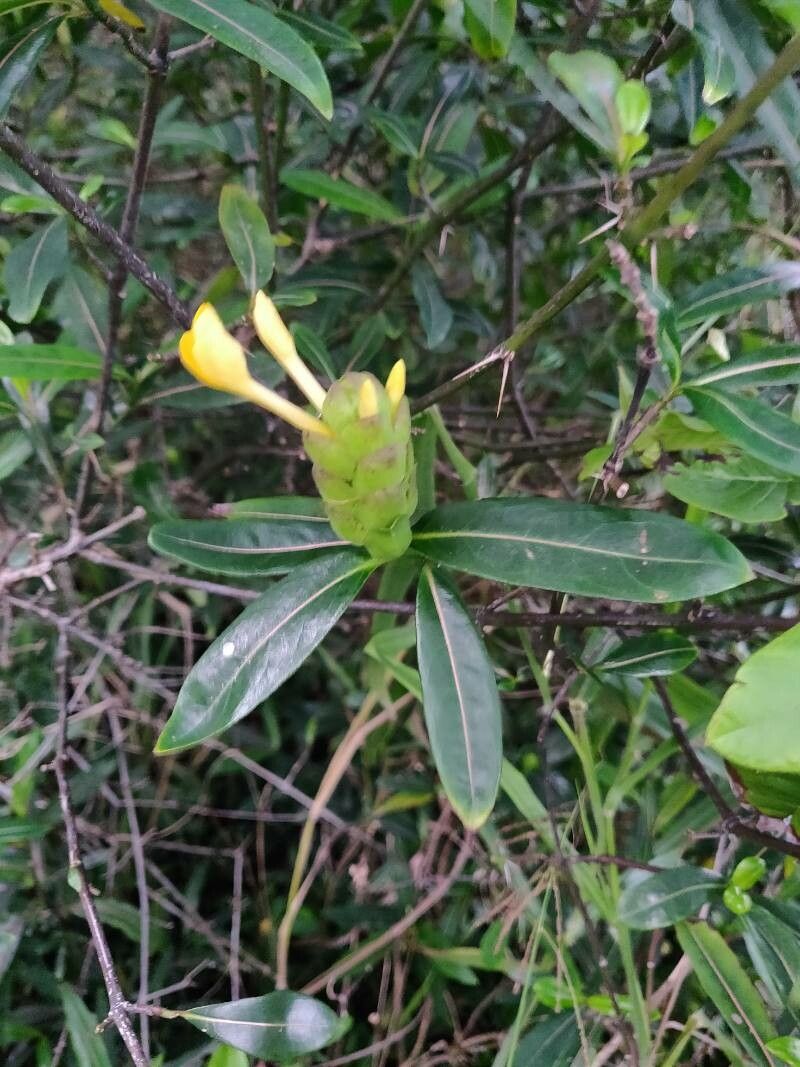
Propagating Barleria lupulina: A Gardener’s Guide to the Yellow Barleria
Barleria lupulina, commonly known as Yellow Barleria or Porcupine flower, is a striking shrub appreciated for its vibrant yellow flowers and thorny stems. Its dense, spreading habit makes it ideal for hedges, borders, or as a specimen plant. The plant’s popularity stems from its relatively low maintenance requirements and its ability to thrive in a range of conditions, although it prefers well-drained soil and ample sunlight. However, propagation can present some unique challenges, making successful cultivation all the more rewarding.
Seed Germination:
Currently, there are no known reliable methods for seed germination propagation of Barleria lupulina. While seeds may be produced, their germination rate is notoriously low, and successful germination under controlled conditions has not been consistently replicated. This is likely due to factors relating to seed dormancy and the need for specific environmental cues. Therefore, other methods are generally preferred for propagation.
Cuttings:
Cuttings offer a reliable method for propagating Barleria lupulina.
Challenges: Success depends on proper timing and technique. Using semi-hardwood cuttings taken from new growth in late spring or early summer typically yields the best results.
Practical Tips: Cuttings should be 4-6 inches long, taken just below a node. Remove lower leaves to prevent rot and dip the cut ends in rooting hormone. Plant the cuttings in a well-draining propagation mix, ensuring good humidity using a propagator or plastic bag to maintain moisture. Place in partial shade initially to prevent scorching.
Rewards: Cuttings offer a relatively fast and simple method of producing genetically identical plants, preserving desirable traits. It’s well-suited for smaller-scale propagation.
Division:
Division is a viable method, particularly for established plants.
Challenges: This method is best suited for larger, well-established plants. Care must be taken to avoid damaging the root system during division.
Practical Tips: Divide the plant in spring or autumn after flowering. Ensure each division contains a healthy portion of roots and several stems. Replant the divisions in well-drained soil, ensuring adequate spacing. Water thoroughly after planting.
Rewards: Division is a quick method for increasing the number of plants, particularly advantageous when propagating a known, healthy cultivar.
Tissue Culture:
Tissue culture represents a more advanced propagation technique for Barleria lupulina.
Challenges: This is a specialized method requiring sterile laboratory conditions, specialized equipment, and expertise in plant tissue culture techniques. It’s not a practical approach for home gardeners.
Practical Tips: This method would involve establishing sterile cultures from shoot tips or nodal segments on a suitable nutrient agar. Optimal hormone concentrations would need to be determined experimentally.
Rewards: Tissue culture allows for large-scale and rapid propagation, ensuring disease-free plants and facilitating the conservation of rare or endangered genotypes.
Conclusion:
Propagating Barleria lupulina presents its share of difficulties. While seed propagation currently proves unreliable, cuttings and division are accessible and effective methods for home gardeners. Tissue culture offers possibilities for large-scale production but demands specialized knowledge and resources. The rewards, however, are well worth the effort. The unique satisfaction of successfully nurturing these bright yellow blooms, considering the challenges overcome, is a testament to the gardener’s skill and patience. To aspiring propagators, I encourage persistence and experimentation. Don’t be discouraged by initial setbacks – the vibrant result of a successfully propagated Barleria lupulina is a truly gratifying sight.