
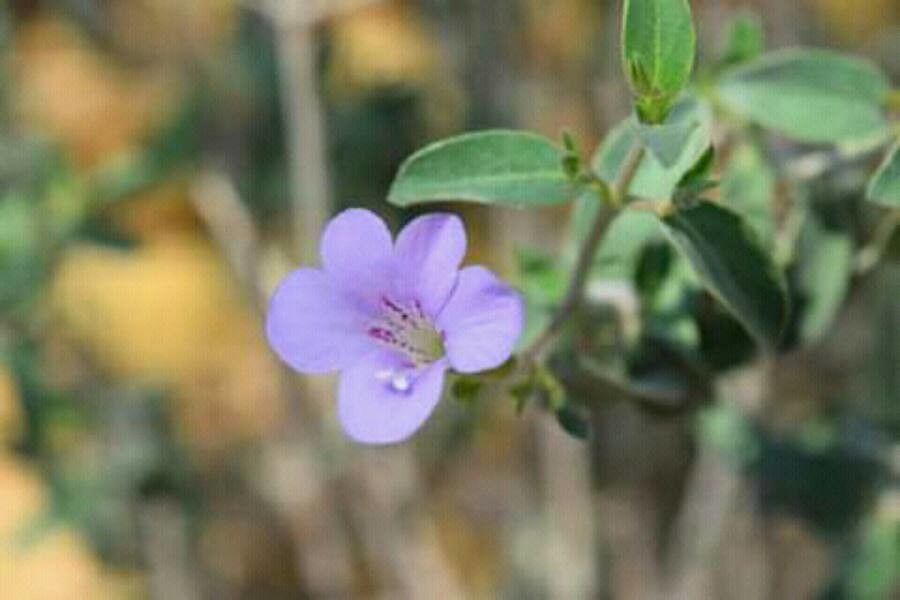
Propagating Barleria hochstetteri: A Gardener’s Guide
Introduction
Barleria hochstetteri, also known as the "Purple Barleria" or "Hochstetter’s Barleria," is a captivating shrub prized for its vibrant purple flowers and relatively low maintenance requirements. Its striking blooms, typically appearing in profusion throughout the warmer months, make it a popular choice among gardeners seeking eye-catching additions to their landscapes. While readily available from nurseries, the propagation of Barleria hochstetteri offers a rewarding challenge and the opportunity to expand one’s collection. The unique aspects of its propagation stem from its specific requirements for successful establishment, making each method a distinct undertaking.
Seed Germination
Currently, there are no known reliable methods for seed germination propagation of Barleria hochstetteri. While the plant produces seed, germination rates are reportedly extremely low, even under optimal conditions. Further research into specific germination requirements, such as scarification or light exposure, may be necessary to establish a viable seed propagation method.
Cuttings
Cuttings represent a more reliable method for propagating Barleria hochstetteri.
Challenges: Success with cuttings hinges on preventing rot and ensuring optimal humidity levels. The semi-woody nature of the stems requires careful handling to avoid damage.
Practical Tips: Take semi-hardwood cuttings (approximately 4-6 inches long) from healthy, non-flowering stems in spring or early summer. Remove lower leaves to prevent rot. Dip the cut ends in rooting hormone before planting in a well-draining, moist propagation mix (e.g., perlite and peat moss). Cover the cuttings with a humidity dome or plastic bag to maintain high humidity. Place in bright, indirect light and keep the mix consistently moist but not waterlogged.
Rewards: Cuttings offer a straightforward method for increasing the number of plants quickly, preserving the genetic characteristics of the mother plant, and are readily achievable for most gardeners.
Division
Division is a viable propagation method for established Barleria hochstetteri plants.
Challenges: Care must be taken to avoid damaging the root system during the division process. Each division should ideally have a substantial root mass to ensure successful establishment.
Practical Tips: Divide the plant in spring or early autumn, ideally when the plant is actively growing or dormant but not undergoing active flowering. Dig carefully around the plant, exposing the root system. Use a sharp, clean spade or knife to divide the plant into multiple sections, each with its own set of roots and stems. Replant the divisions immediately in well-prepared soil, ensuring ample spacing for growth. Water thoroughly after planting.
Rewards: This method allows for quick multiplication of existing plants, and the process is relatively simple, requiring only basic gardening tools.
Tissue Culture
Tissue culture propagation of Barleria hochstetteri is possible, though it requires specialized equipment, knowledge, and a sterile environment.
Challenges: This method is more demanding, requiring specialized laboratory equipment and aseptic techniques to prevent contamination. It demands time, precision, specialized knowledge of plant tissue culture, and expertise in sterilisation and media preparation.
Practical Tips: This method is best left to professionals or experienced hobbyists with access to the necessary facilities and expertise. Protocols for tissue culture of Barleria may need to be established or acquired from relevant research.
Rewards: Tissue culture allows for mass propagation of genetically consistent plants, disease eradication from source material, and rapid multiplication even with rare or difficult-to-propagate cultivars.
Conclusion
Propagating Barleria hochstetteri presents unique challenges depending on the chosen method. While seed germination remains unreliable, cuttings and division provide accessible and successful options for most gardeners. Tissue culture offers a high-yield technique for large-scale propagation but requires specialized expertise. The satisfaction derived from successfully cultivating this beautiful plant from a cutting or division, however, is greatly rewarding, especially considering the effort involved. The vibrant purple flowers that subsequently bloom as a direct result of your efforts amplify the sense of accomplishment tenfold; it serves as a powerful reminder of the patience and care invested in the process. Therefore, don’t be discouraged by initial setbacks. With careful attention to detail and perseverance, you can enjoy the fruits of your labor in the form of flourishing Barleria hochstetteri plants.