
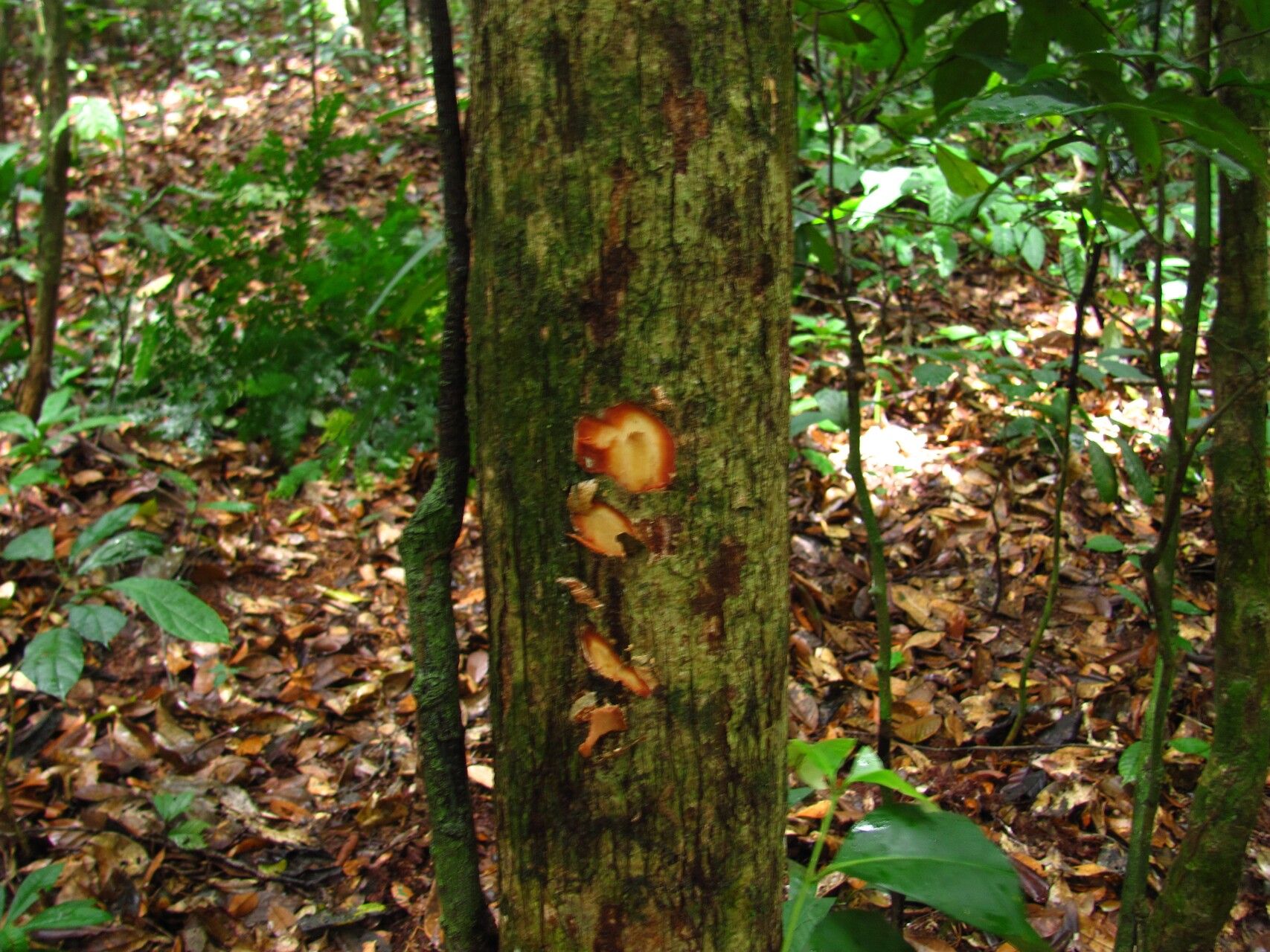
Propagating the Yellowwood: Unveiling the Secrets of Beilschmiedia fulva
Introduction:
Beilschmiedia fulva, commonly known as Yellowwood, is a striking evergreen tree prized for its beautiful, glossy foliage, aromatic bark, and attractive, small yellowish flowers. Its appealing aesthetic makes it a sought-after specimen in gardens, particularly in tropical and subtropical regions. While its propagation isn’t widely documented, its popularity among horticulturists fuels interest in mastering its cultivation from various propagation methods. The unique challenges involved contribute to the deep satisfaction derived from successfully establishing a Yellowwood from seed, cutting, or other means.
Seed Germination:
Currently, there are no known reliable methods for seed germination propagation of Beilschmiedia fulva. While the tree produces seeds, their germination rate appears to be extremely low, and consistent success has not been reported in the literature. Further research is needed to determine optimal conditions or potentially necessary pre-treatments for successful germination.
Cuttings:
Cuttings offer a more promising approach to propagating Beilschmiedia fulva. However, challenges remain.
- Challenges: Yellowwood cuttings are prone to fungal infections and can struggle to root unless proper techniques are employed. The success rate is often low, requiring patience and attention to detail.
- Practical Tips: Semi-hardwood cuttings taken in late summer or early autumn from healthy, actively growing shoots show the greatest potential. Use a sharp, clean blade to prevent disease transmission. Dip the base of the cutting in a rooting hormone powder before planting in a well-draining, sterile propagation mix (e.g., perlite and peat moss). Maintain high humidity and warmth using a propagation dome or plastic bag. Consistent moisture is crucial but avoid overwatering, which encourages rot. Bottom heat can significantly improve rooting success.
- Rewards: Successful vegetative propagation via cuttings allows for the preservation of desirable genetic traits from a parent plant and offers a quicker route to a mature plant compared to seed starting.
Division:
Division is not a viable propagation method for Beilschmiedia fulva. This tree doesn’t produce readily separable offshoots or suckers suitable for division.
Tissue Culture:
Tissue culture offers a potentially highly efficient method for propagating Beilschmiedia fulva, although it requires specialized equipment and expertise.
- Challenges: Establishing a sterile protocol for Yellowwood tissue culture would require experimentation to determine optimal media composition and growth regulators. This method can be expensive and time-consuming, requiring specialized laboratory facilities and knowledge.
- Practical Tips: Research into appropriate media formulations, growth regulators (auxins and cytokinins), and sterilization protocols specific to Beilschmiedia fulva is necessary. Aseptic techniques are paramount to prevent contamination.
- Rewards: Tissue culture offers the potential for mass production of genetically identical plants, safeguarding valuable cultivars. It also allows for the rapid multiplication of rare or slow-growing specimens.
Conclusion:
Propagating Beilschmiedia fulva presents a unique challenge, and success largely depends on mastering the art of cuttings propagation. While seed germination currently remains unreliable, and division is unsuitable, tissue culture offers a potential solution for large-scale propagation, though it demands considerable expertise and resources. The rewards – possessing this beautiful tree in your garden – are well worth the effort. The journey of propagating Yellowwood is one of consistent experimentation, patience, and a willingness to learn from both successes and failures. Embrace the challenges, for the satisfaction of nurturing a Yellowwood from a cutting to a mature specimen is deeply rewarding. Don’t be discouraged by initial setbacks; persevere, and the beauty of your Yellowwood will be its own testament to your horticultural dedication.