
Propagating Begonia aconitifolia: A Gardener’s Guide
Introduction
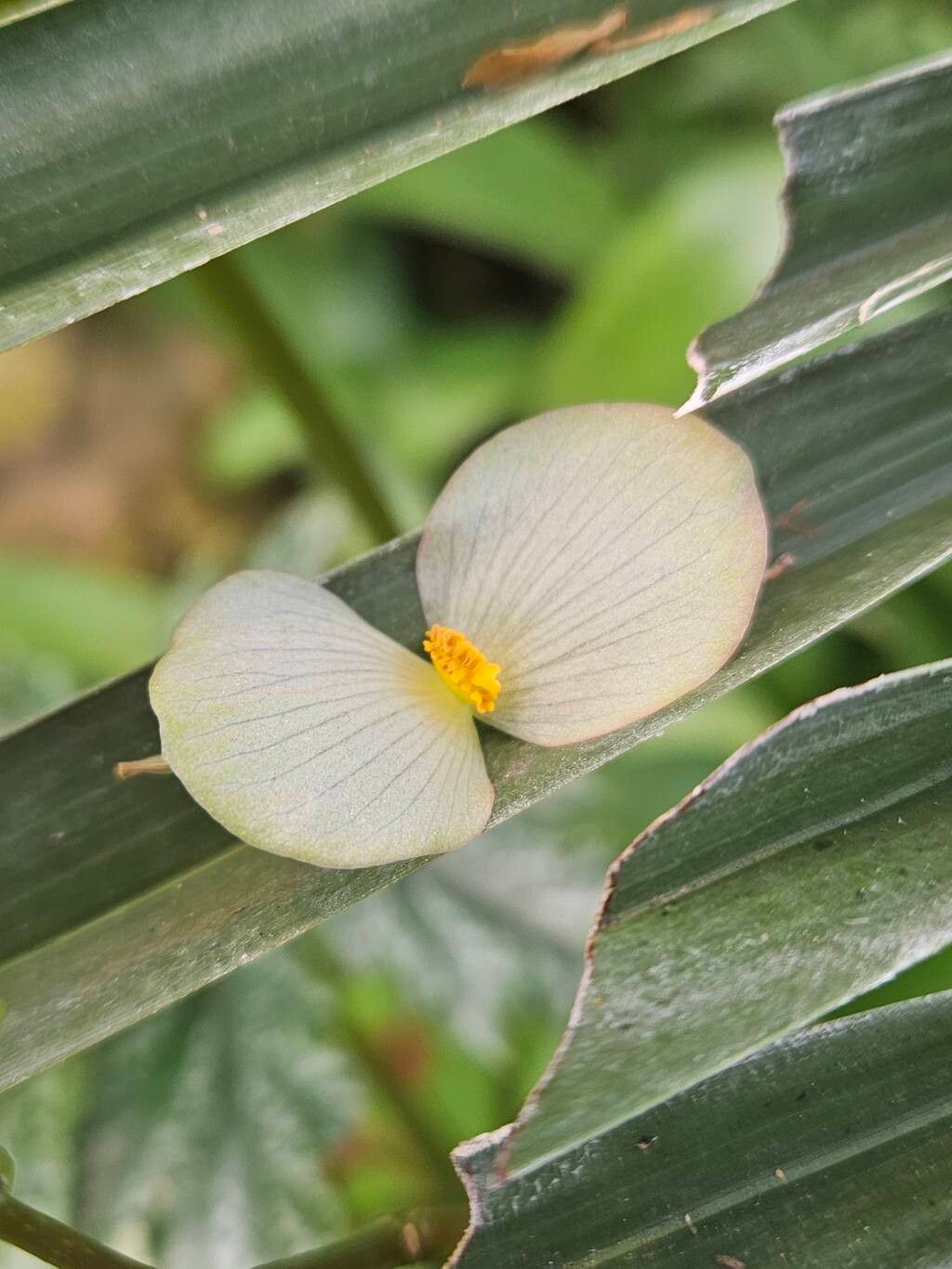
Begonia aconitifolia, also known as the aconite-leaved begonia, is a captivating member of the Begonia family, prized for its uniquely shaped, deeply lobed leaves that resemble those of aconite plants. Its foliage, often exhibiting striking variations in shades of green, bronze, and even reddish tones depending on the cultivar, is the plant’s main attraction, rather than its flowers, which are relatively inconspicuous. Its popularity among gardeners stems from its relatively easy cultivation and the dramatic impact its foliage makes in shady gardens or container displays. The unique leaf shape and potential for cultivar variation make propagation a rewarding, albeit sometimes challenging, endeavor.
Seed Germination
Currently, there are no known reliable methods for seed germination propagation of Begonia aconitifolia. While Begonia species generally produce seeds, B. aconitifolia seeds are notoriously tiny and have a low germination rate, making successful propagation through this method exceptionally difficult for the average home grower. Professional nurseries might utilize specialized techniques, but these are beyond the scope of most hobbyists.
Cuttings
Challenges: While stem cuttings represent a more viable method than seed germination, success is not guaranteed. Sanitation is crucial to prevent rot, and providing appropriate humidity and warmth is essential for rooting.
Practical Tips: Take stem cuttings, ideally from non-flowering stems, in spring or early summer. Each cutting should have at least two nodes. Remove lower leaves to prevent rot. Use a sharp, sterile blade or knife. Dip the cut ends in rooting hormone (optional but beneficial). Plant the cuttings in a moist, well-draining propagation mix (e.g., perlite and peat moss) and cover with a clear plastic bag or humidity dome to maintain high humidity. Keep the mix consistently moist but not waterlogged. Place the cuttings in a warm, bright location out of direct sunlight. Rooting typically takes several weeks.
Rewards: Cuttings offer a reliable way to clone existing plants, preserving desirable traits. This method is relatively simple to master and allows for rapid multiplication of your favorite B. aconitifolia cultivars.
Division
Challenges: Division is only feasible for established, mature plants with well-developed rhizomes. Care must be taken not to damage the rhizomes during the process. Successful division relies on careful handling to ensure each section has sufficient root mass to survive.
Practical Tips: Divide the plant gently in spring or early summer when it is actively growing. Ensure each division has several healthy leaves and a good portion of rhizome. Plant the divisions in fresh potting mix, keeping them slightly moist until they become established.
Rewards: Division allows for rapid increase in the number of B. aconitifolia plants, especially if you already own a large, healthy specimen. It is a less technically demanding method compared to cuttings or tissue culture.
Tissue Culture
Challenges: This method requires specialized equipment, sterile laboratory conditions, and considerable expertise in plant tissue culture techniques. It’s not a viable option for most home gardeners.
Practical Tips: This method is best left to professional nurseries or laboratories. It involves sterilizing plant material and culturing it in a sterile nutrient medium under controlled conditions.
Rewards: Tissue culture offers the potential for mass propagation of B. aconitifolia, producing large numbers of genetically identical plants quickly and efficiently. This can be crucial for preserving rare cultivars or supplying large quantities to the horticultural market.
Conclusion
Propagating Begonia aconitifolia presents unique challenges, primarily due to the difficulties associated with seed germination. While cuttings and division offer more practical approaches for the home gardener, mastering them requires patience and attention to detail. Tissue culture, while potentially highly effective, remains beyond the reach of much of the plant-propagating community. The rewards, however, are substantial. The satisfaction of successfully propagating this stunning begonia, with its striking foliage, is immense, making the effort well worthwhile. So, embrace the challenge, learn from any setbacks, and savor the triumph of nurturing these captivating plants from your own cuttings or divisions. The unique beauty of B. aconitifolia in your garden will be a testament to your horticultural perseverance.