
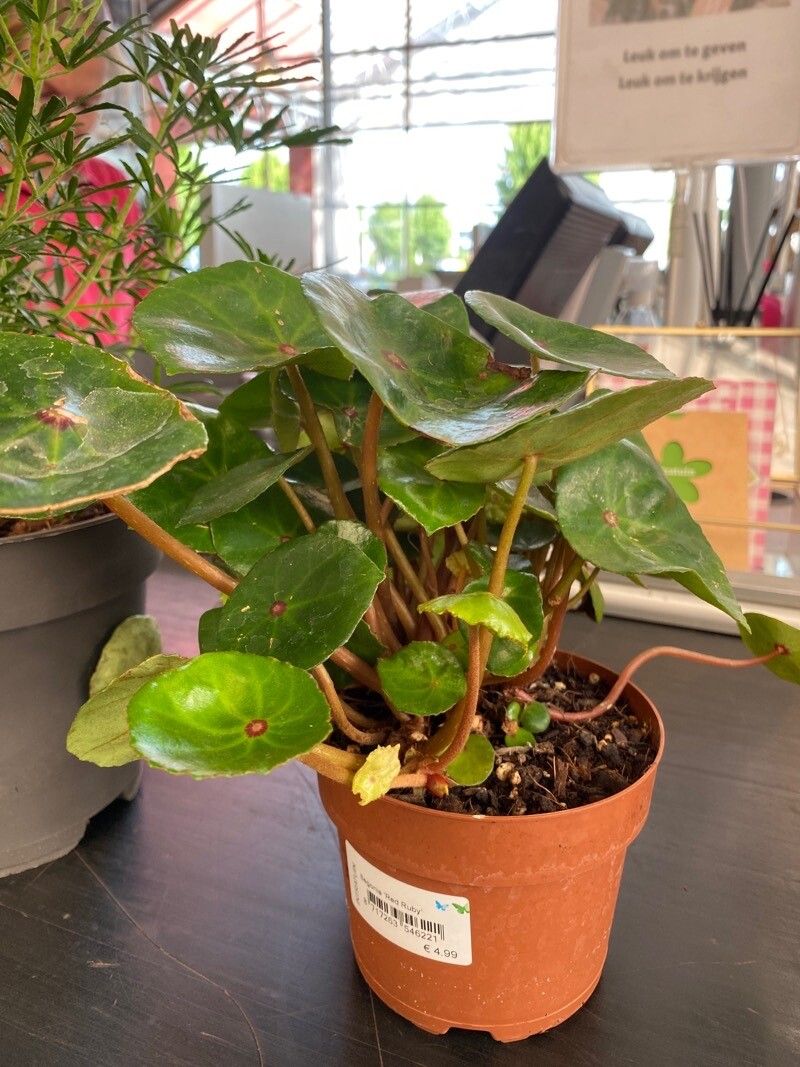
Propagating Begonia conchifolia: A Shell-Shaped Challenge and Reward
Begonia conchifolia, also known as the Shell Begonia, is a captivating species prized for its uniquely textured, shell-shaped leaves. The foliage, often a deep green punctuated by silver veining, creates a dramatic contrast in any collection. Its relatively compact growth habit makes it adaptable to various indoor settings, contributing to its increasing popularity among plant enthusiasts. However, propagating Begonia conchifolia presents unique challenges, varying significantly between methods.
Seed Germination:
Currently, there are no known reliable methods for seed germination propagation of Begonia conchifolia. While some Begonia species readily produce viable seeds, this method appears unreliable for B. conchifolia, likely due to low seed viability or specific germination requirements yet to be determined by horticultural research.
Cuttings:
This is the most successful and commonly employed method for propagating Begonia conchifolia.
Challenges: Root development can be slow, and leaf cuttings are more likely to rot than stem cuttings. Maintaining consistently high humidity is crucial.
Practical Tips: Use semi-hardwood stem cuttings, approximately 4-6 inches long, taken from healthy, actively growing shoots. Remove lower leaves to prevent rotting. Dip the cut ends in a rooting hormone before planting in a well-draining, moist propagation mix (e.g., perlite and peat moss). Cover the cuttings with a clear plastic bag or humidity dome to maintain high humidity. Place in bright, indirect light and maintain the soil consistently moist but not waterlogged. Bottom heat can improve success rates.
Rewards: Cuttings offer a simple method to produce genetically identical plants, preserving desirable traits. It’s generally a reliable method that allows for quick propagation of a few plants.
Division:
Begonia conchifolia can be propagated by division, particularly for larger, established plants.
Challenges: Damaging the rhizomes during division can lead to the death of the parent plant or the newly divided portions. Careful handling is essential.
Practical Tips: Divide the plant during its active growing season (spring or early summer). Gently separate the rhizome into sections, ensuring each section possesses healthy roots and shoots. Plant each division in its own pot using a well-draining potting mix. Water gently to avoid shock.
Rewards: Division is a relatively straightforward method for quickly increasing the number of plants. It is especially useful for preserving established varieties without losing desirable characteristics.
Tissue Culture:
While possible, tissue culture is generally not necessary for home propagators.
Challenges: Tissue culture requires specialized equipment, aseptic techniques, and a considerable understanding of plant physiology. The initial investment in equipment and media is significant.
Practical Tips: This method requires a controlled lab environment and sterile techniques. Explant selection, media preparation, and sterilization are crucial steps for success.
Rewards: Tissue culture offers the potential for mass propagation, disease elimination, and the preservation of rare or endangered varieties. However, this method is costly and requires specialized knowledge.
Conclusion:
Propagating Begonia conchifolia presents varied challenges across different methods. While seed propagation is currently unreliable, cuttings and division offer viable and accessible options for hobbyists. Tissue culture, though effective for large-scale propagation, requires significant expertise and investment. The inherent difficulties contribute to the unique satisfaction derived from successfully nurturing these beautiful plants. The journey, from a small cutting to a thriving specimen, is a testament to perseverance and the joy of cultivating this unusual beauty. Don’t be discouraged by initial setbacks – experiment with cuttings, practice patience, and enjoy the rewarding process of bringing new Shell Begonias to life.