
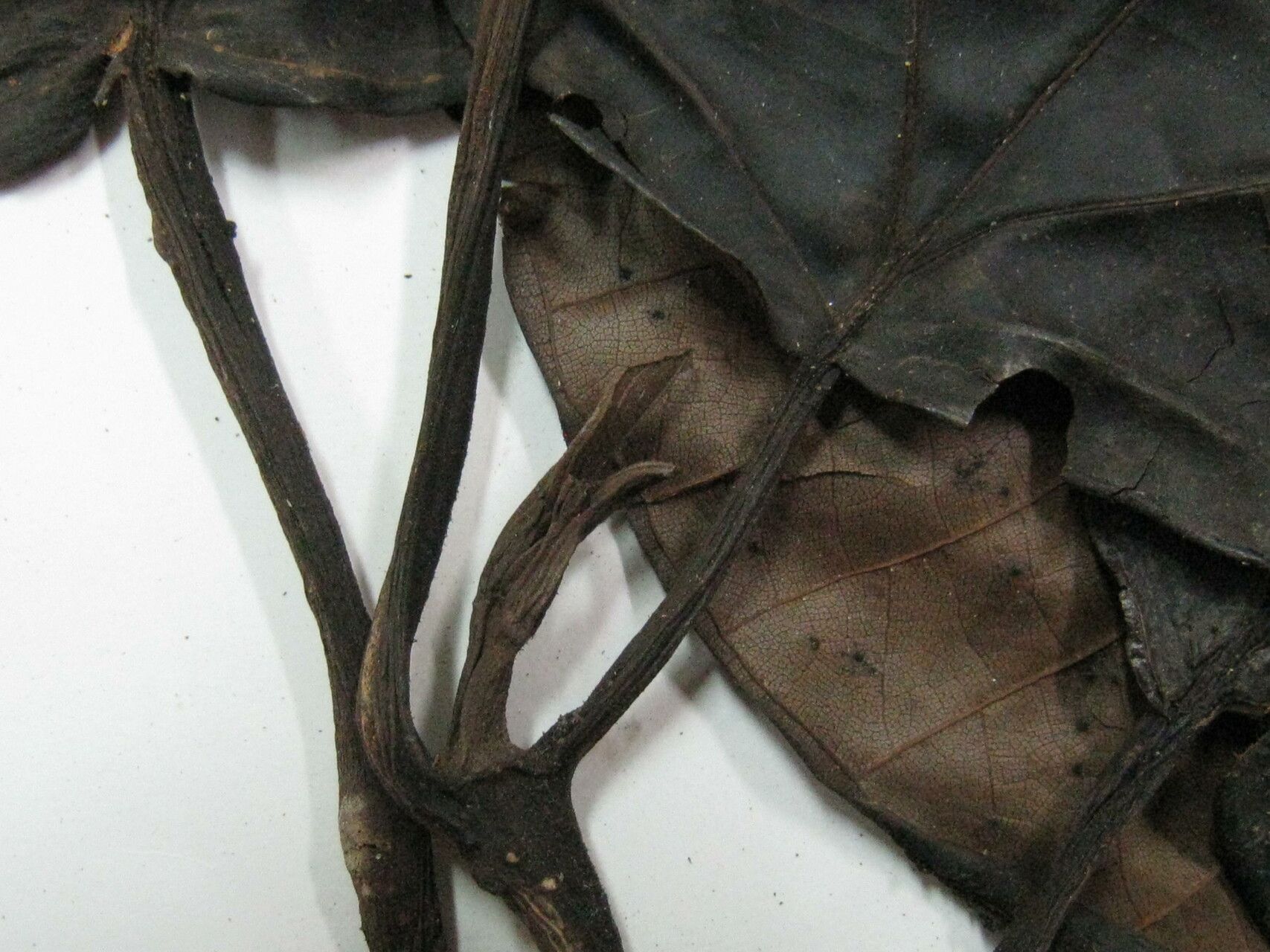
Propagating Bellucia subrotundifolia: A Gardener’s Guide to the Blood-Red Bellflower
Bellucia subrotundifolia, commonly known as the Blood-Red Bellflower, is a striking shrub prized for its vibrant, bell-shaped flowers and attractive foliage. Native to the tropical Americas, it’s gaining popularity among gardeners for its unique beauty and relative ease of care (once established). However, propagating this species presents some unique challenges, making successful cultivation a rewarding experience. This article will explore various propagation methods for Bellucia subrotundifolia, outlining their feasibility and offering practical tips.
Seed Germination:
Currently, there are no known reliable methods for seed germination propagation of Bellucia subrotundifolia. While seed production may occur, germination rates are reportedly very low, and the process remains largely unexplored in horticultural literature. Further research is needed to determine if specific pre-treatment techniques (e.g., scarification, stratification) could improve germination success.
Cuttings:
Cuttings offer a more promising method for propagating Bellucia subrotundifolia.
Challenges: The success rate can vary depending on factors like the age and health of the parent plant, the timing of the cuttings, and the rooting environment. Woodiness of stems can affect rooting ease.
Practical Tips: Take semi-hardwood cuttings (partially mature stems) in spring or early summer. Use a sharp, clean knife or shears to prevent disease transmission. Dip the cut ends in a rooting hormone solution to stimulate root development. Plant the cuttings in a well-draining propagation mix, keeping the environment humid. A propagation tray or humidity dome can be beneficial. Maintain consistent moisture but avoid overwatering, which can lead to rot.
- Rewards: Cuttings offer a relatively quick and straightforward method for producing genetically identical offspring, preserving desirable traits of the parent plant.
Division:
Division is generally not a viable propagation method for Bellucia subrotundifolia. This plant typically doesn’t develop the readily separable clumping habit suitable for division.
Tissue Culture:
Tissue culture offers the potential for large-scale propagation of Bellucia subrotundifolia, overcoming the limitations of other methods.
Challenges: Tissue culture requires specialized equipment, sterile techniques, and a detailed understanding of plant tissue culture protocols. It’s a more technically demanding and costly method than cuttings. Establishing appropriate culture media for this specific species may require experimentation.
Practical Tips: Consult experienced tissue culture specialists or laboratories. Sterile procedures are crucial to prevent contamination. This method demands a rigorous, controlled environment.
- Rewards: Tissue culture enables rapid multiplication of plant material, producing numerous identical plants from a small explant. It also offers the potential for disease elimination and genetic improvement.
Conclusion:
Propagating Bellucia subrotundifolia presents unique challenges, particularly regarding seed germination and division. Cuttings offer a relatively accessible and effective method for the home gardener, while tissue culture presents the most promising approach for large-scale propagation, albeit with higher technical demands. Despite the difficulties, the reward of successfully cultivating this stunning plant is immeasurable. The vibrant crimson blooms and lush foliage are a testament to the patience and dedication invested in its propagation. For aspiring propagators, it is recommended to start with stem cuttings, taking careful note of environmental conditions, sterilization practices, and consistent moisture levels. The beautiful Blood-Red Bellflower awaits those willing to tackle the challenge.