
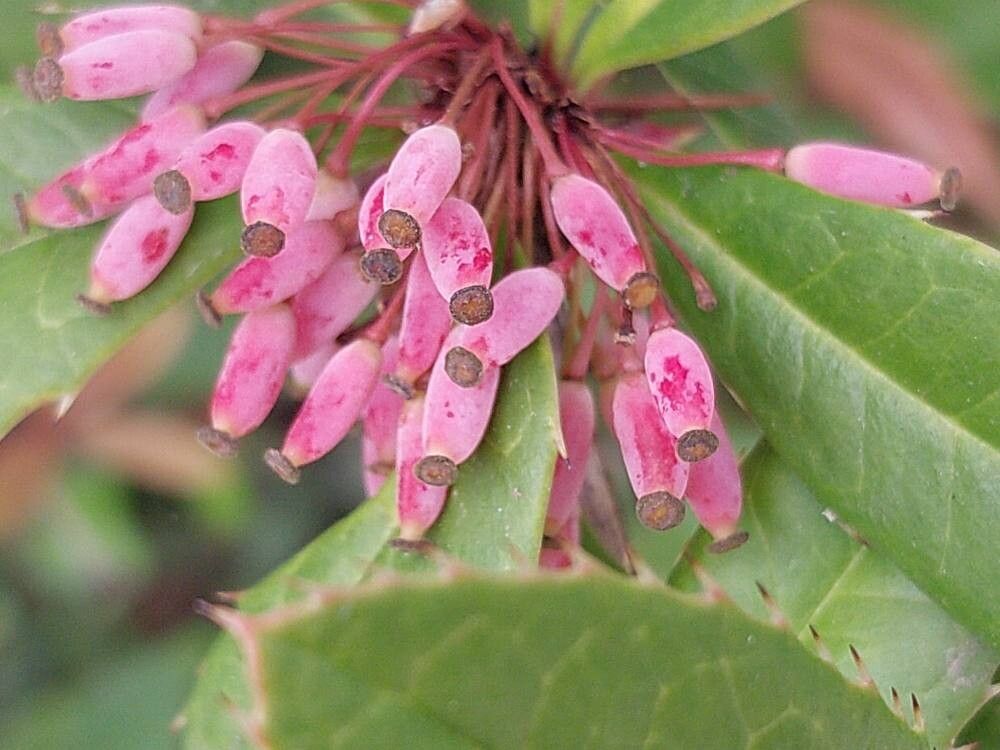
Propagating Berberis canadensis: A Gardener’s Guide to the American Barberry
Introduction
Berberis canadensis, commonly known as American barberry, is a deciduous shrub prized for its vibrant yellow flowers, attractive red berries, and striking fall foliage. Its adaptability to various soil types and its tolerance of drought and poor soil conditions make it a popular choice among gardeners. However, propagating Berberis canadensis presents unique challenges, making successful cultivation all the more rewarding. The plant’s hardiness and inherent resilience combine to create a propagation journey that tests the gardener’s patience and expertise.
Seed Germination:
Currently, there are no known reliable methods for seed germination propagation of Berberis canadensis. While seeds are produced abundantly, they exhibit very low germination rates, often requiring prolonged and unpredictable stratification periods, and frequently facing issues with dormancy. The unpredictable nature makes seed propagation impractical for most home gardeners.
Cuttings:
Cuttings are a more viable method for propagating Berberis canadensis.
Challenges: Rooting success can be inconsistent and depends heavily on factors such as the timing of cutting collection (semi-hardwood cuttings taken in late summer are generally best), the use of rooting hormone, and the provision of proper humidity and temperature.
Practical Tips: Take 4-6 inch cuttings from non-flowering stems. Remove lower leaves and dip the cut ends in rooting hormone. Plant cuttings in a well-draining mix like perlite and peat moss, maintaining high humidity (e.g., using a humidity dome or propagator). Bottom heat can improve rooting success. Keep the cuttings consistently moist but not waterlogged.
Rewards: Cuttings offer a relatively quick method to accurately replicate the parent plant’s characteristics, making it valuable for preserving desirable cultivars.
Division:
Division is another relatively successful method, particularly for established plants.
Challenges: This method is limited to larger, mature bushes. Dividing the root system can sometimes damage the plant, potentially leading to reduced vigor or even plant death if not done carefully.
Practical Tips: The best time to divide Berberis canadensis is in early spring or late fall. Carefully dig up the entire plant, gently separate the root ball into smaller sections, ensuring each division has a healthy root system and several stems. Replant the divisions immediately, ensuring proper spacing and watering.
Rewards: Division is often the quickest method to propagate established plants and it preserves the genetic characteristics of the parent plant.
Tissue Culture:
Tissue culture techniques offer the possibility of large-scale propagation, producing a large number of genetically identical plants from a small amount of starting material.
Challenges: Tissue culture requires specialized equipment, a sterile environment, and specific expertise. It’s also a relatively expensive method for hobbyist gardeners.
Practical Tips: Successful tissue culture techniques for Berberis canadensis would involve using appropriate media, plant growth regulators, and a careful sterile procedure. This process is best left to commercial nurseries and research facilities.
Rewards: Tissue culture allows for the rapid multiplication of desirable cultivars and disease-free plants, which overcomes many of the challenges presented by other propagation methods.
Conclusion:
Propagating Berberis canadensis presents distinct challenges depending on the chosen method. While seed propagation is unreliable, cuttings and division offer viable options for the home gardener, albeit with varying levels of success. Tissue culture represents a more advanced approach with higher potential but substantial resource demands. Regardless of the method, mastering the propagation of this beautiful shrub provides a deep sense of accomplishment. The patience and persistence required, combined with the eventual success of seeing a new plant flourish from a cutting or division, make the endeavor particularly rewarding. For aspiring propagators, starting with cuttings remains the most accessible and practical approach to successfully cultivating more Berberis canadensis in your garden. Remember: patience and persistence are key ingredients to success.