
Unlocking the Secrets of Spreading Groundcover: Propagating the Gorgeous Glandora Prostrata
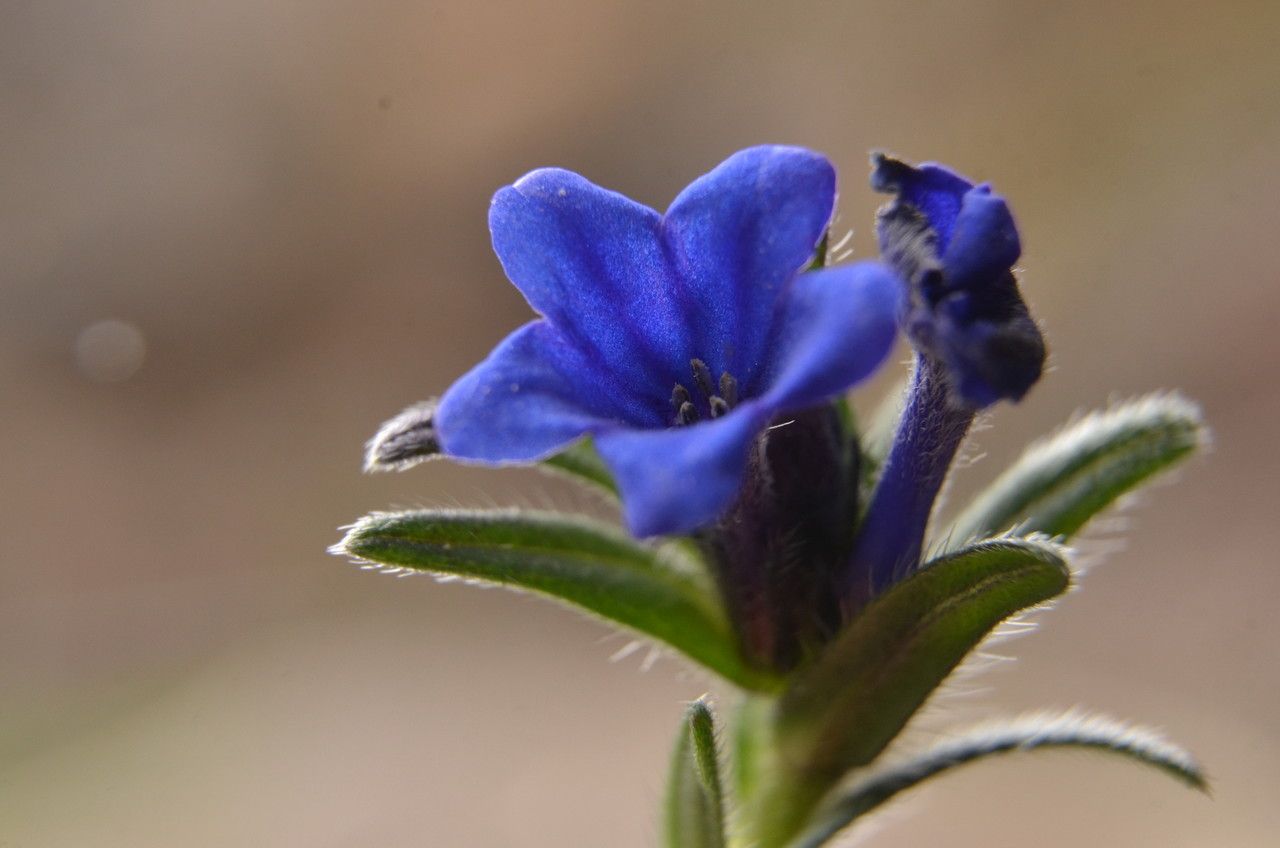
Glandora prostrata, also known as the prostrate wall shrub or more charmingly as “lilac thymeleaf,” is a sight to behold in any garden. This low-growing evergreen boasts masses of vibrant blue flowers resembling tiny bells, creating a stunning carpet of color throughout spring and early summer. While acquiring this beauty may be as simple as a trip to your local nursery, learning to propagate Glandora prostrata yourself can be immensely rewarding, not to mention economical. Let’s dive into the world of propagating this tenacious little groundcover.
Two Paths to Multiplication: Seed vs. Cuttings
Glandora prostrata graciously offers you two primary methods of propagation:
Seed Propagation: This method requires a bit more patience but can be immensely satisfying. Collect ripe seeds from dried seed pods in the late summer or early fall. Sow these seeds in seed trays filled with well-draining compost. Keep the soil consistently moist and provide a warm, well-lit environment. Germination can take several weeks. Once seedlings are large enough to handle, you can transplant them to larger pots or directly into your garden.
- Cutting Propagation: For faster results and to retain the characteristics of a specific plant, cuttings are the way to go. In the late spring or early summer, choose healthy, non-flowering stems. Cut a 3-4 inch section just below a leaf node. Remove the lower leaves and gently scrape a small portion of the stem’s base to expose the cambium layer (this encourages root development). Plant the cuttings in a mixture of perlite and vermiculite or a well-draining potting mix. Keep them in a warm, humid environment, misting regularly. With proper care, your cuttings should develop roots within 4-6 weeks.
Tips for Successful Propagation:
Timing Is Key: Spring and early summer offer the ideal conditions for cutting propagation, while seed sowing is best done in late summer or early fall.
Provide Optimal Drainage: Glandora prostrata despises waterlogged soil, so ensure excellent drainage for both seeds and cuttings. Choose a well-draining compost or mix and amend your garden soil with grit or sand if necessary.
Be Patient and Observant: Propagation requires patience! Monitor your seeds and cuttings closely, providing consistent moisture and adjusting environmental conditions as needed.
- Gradually Harden Off: Before transplanting outdoors, gradually acclimate your Glandora prostrata to outdoor conditions by introducing them to direct sunlight and wind gradually over a week or two.
Reaping the Rewards:
Expanding your Glandora prostrata collection through propagation is an immensely satisfying experience. Not only will you save money by creating new plants, but you’ll also develop a deeper connection with this beautiful groundcover. Imagine the pride in watching your very own propagated Glandora prostrata flourish, cascading over rocks, trailing down walls, or forming a breathtaking blue carpet in your garden. So why not roll up your sleeves and give propagation a try? You might be surprised at how green your thumbs truly are!