
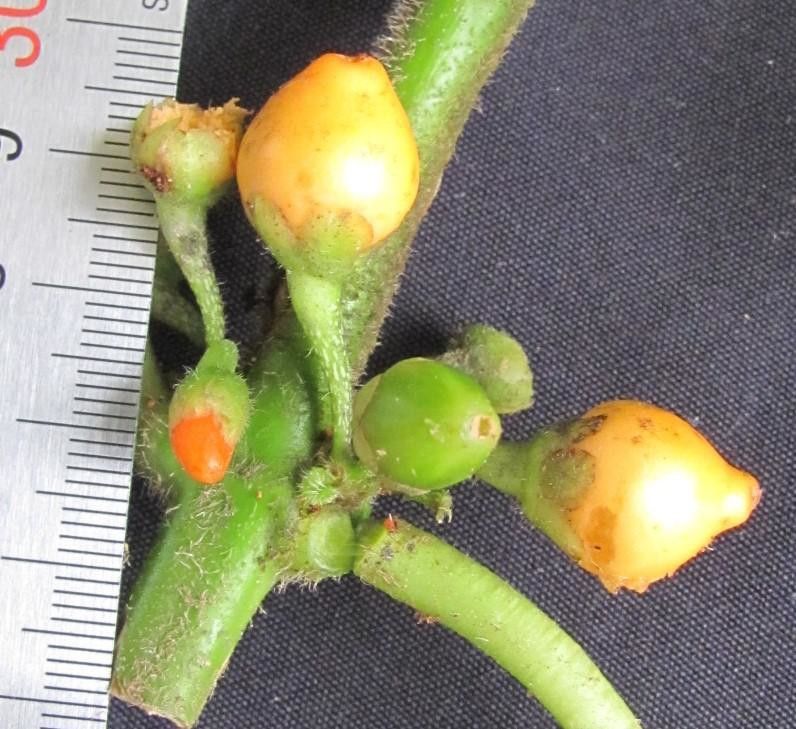
Propagating Besleria hirsuta: A Gardener’s Challenge and Reward
Besleria hirsuta, commonly known as the hairy Besleria (though this common name isn’t widely used), is a captivating member of the Gesneriaceae family, prized for its striking foliage and often vibrant, albeit small, flowers. Its fuzzy leaves and unique growth habit make it a sought-after addition to collections of tropical plant enthusiasts. However, propagating this species presents unique challenges, making successful cultivation a rewarding experience.
Seed Germination:
Currently, there are no known reliable methods for seed germination propagation of Besleria hirsuta. Limited readily available information on this species hinders the development of successful seed germination protocols. Further research, including controlled experiments examining various stratification techniques, sowing media, and germination temperatures, is needed to determine the feasibility of this propagation method. While the potential reward of increased genetic diversity is significant, the current lack of successful germination protocols makes this method impractical for most home gardeners.
Cuttings:
Propagating Besleria hirsuta via stem cuttings shows a higher likelihood of success than seed germination.
Challenges: Cuttings can be slow to root, and success rates can vary depending on factors like the age of the cutting, the use of rooting hormones, humidity levels, and temperature. The humidity must be high to prevent the cuttings from drying out.
Practical Tips: Take semi-hardwood cuttings, ideally 4-6 inches long, from healthy, actively growing stems in spring or summer. Remove lower leaves to avoid rot. Dip the cut ends in a rooting hormone powder. Plant in moist, well-draining propagation mix (e.g., a perlite and peat moss blend) and cover with a clear plastic bag or humidity dome to maintain high humidity. Place in a warm location with indirect light. Regular misting may be beneficial.
Rewards: Cuttings offer a relatively straightforward method for increasing the number of plants, maintaining the characteristics of the mother plant, and achieving quicker results compared to potentially unsuccessful seed germination attempts.
Division:
Division is not a practical method for propagating Besleria hirsuta. This species doesn’t typically form clumping root systems amenable to division.
Tissue Culture:
Tissue culture presents a potential avenue for large-scale propagation of Besleria hirsuta.
Challenges: Establishing a successful tissue culture protocol requires specialized equipment, knowledge, and sterile conditions. It is a technically demanding process with its variable success rates.
Practical Tips: Sterile techniques are paramount. Optimal media formulations, including specific hormone concentrations, would need to be determined through experimentation.
Rewards: This approach offers the potential for mass propagation, eliminating some challenges associated with cuttings and vastly increasing the chances of preserving genetically identical plants. However, the high initial costs and specialized skills necessary make this method unsuitable for most home gardeners.
Conclusion:
Propagation of Besleria hirsuta presents unique challenges, with cuttings offering the most readily accessible method for the average home gardener. While seed germination remains an unexplored avenue and division is infeasible, tissue culture offers exciting potential for large-scale cultivation though requires specialized skills, equipment and resources. The rewards of successfully propagating this captivating species, however, make the effort worthwhile. The unique beauty and challenging nature of Besleria hirsuta ensure that the satisfaction gained from successful cultivation is amplified by the hurdles overcome. Don’t be discouraged by initial setbacks; persistent experimentation with cuttings, perhaps combined with the investigation of improved rooting hormones and techniques, may be your key to unlocking the secrets of this fascinating plant’s propagation.