
Propagating the Paper Bush: A Guide to Growing Edgeworthia chrysantha
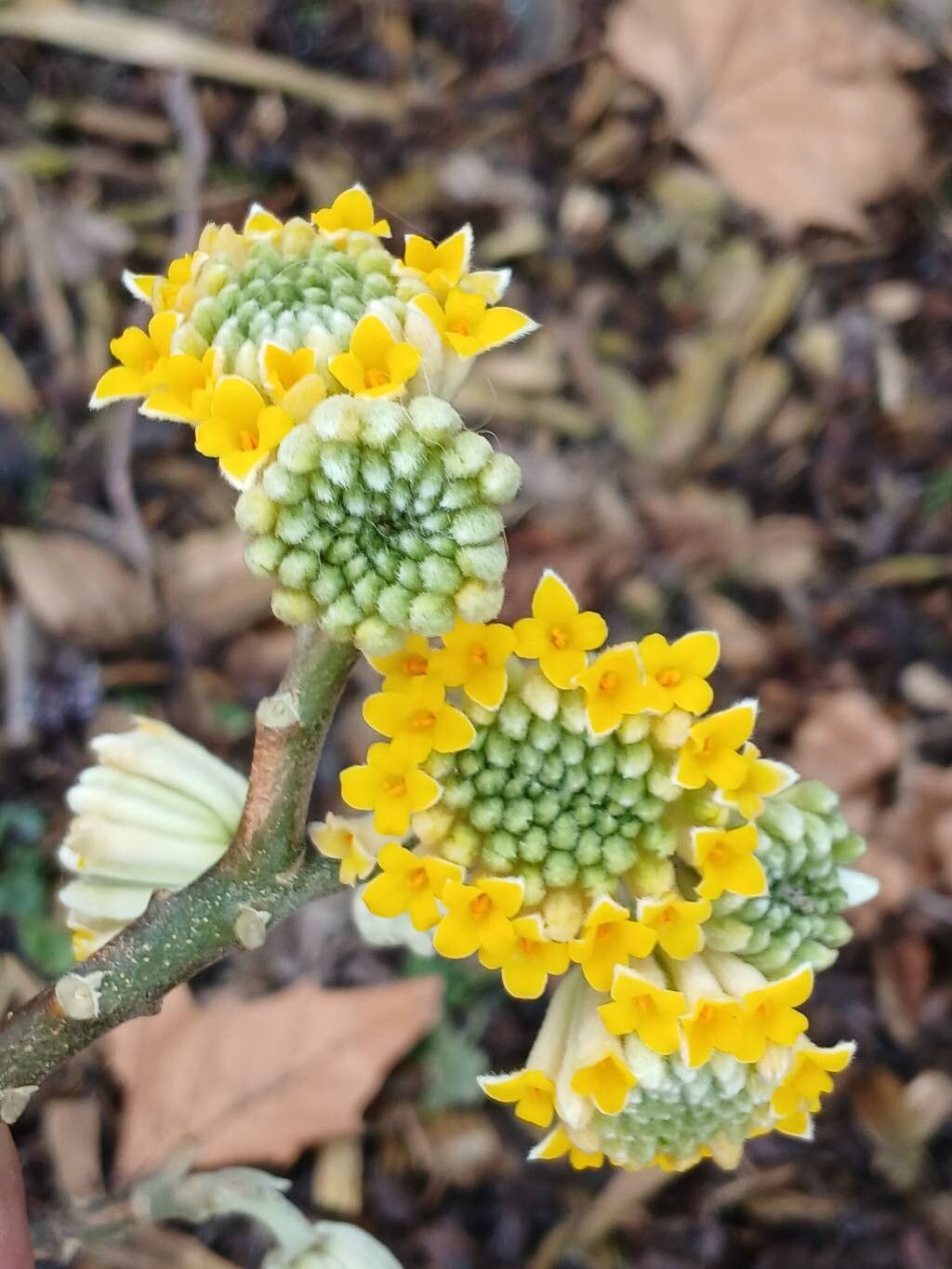
Edgeworthia chrysantha, commonly known as paper bush or paper plant, is a captivating shrub prized for its fragrant, bright yellow flowers that burst forth in late winter or early spring, often before the leaves emerge. Its unique, papery bark adds to its ornamental appeal, making it a sought-after addition to many gardens. However, its propagation isn’t always straightforward, presenting a fascinating challenge for even experienced gardeners. The unique aspects of this plant, primarily its slow growth and occasional reluctance to propagate, contribute to its allure.
Seed Germination:
Currently, there are no known reliable methods for seed germination propagation of Edgeworthia chrysantha. While seeds may be produced, their germination rate is incredibly low, and achieving successful germination consistently remains elusive. The extremely low success rate makes seed propagation an impractical method for most gardeners.
Cuttings:
Cuttings offer a more reliable method for propagating Edgeworthia chrysantha than seed germination. However, it still presents challenges.
Challenges: Hardwood cuttings are generally preferred, taken in late fall or winter from mature wood. However, rooting can be slow and inconsistent. The success rate is significantly influenced by factors such as the age of the wood, the rooting hormone used, and the growing environment.
Practical Tips: Use semi-hardwood or hardwood cuttings about 4-6 inches long, taken from non-flowering stems. Dip the cut ends in a rooting hormone with auxins before planting them in a well-draining mix (e.g., perlite and peat moss). Maintain high humidity using a propagator or covering with a clear plastic bag. Consistent bottom heat and patience will be key to success.
Rewards: Cuttings offer a quicker way to obtain a plant that is genetically identical to the parent, preserving desirable traits. This is a readily accessible method for those starting with a mature Edgeworthia chrysantha.
Division:
Division is a viable method, particularly for larger, established plants.
Challenges: Division necessitates careful handling to avoid damaging the root system, which can be quite fragile. It also requires a mature plant large enough to divide effectively without compromising the health of the parent plant.
Practical Tips: Divide in early spring before new growth begins. Use a sharp, clean spade or knife to carefully separate the plant into sections, ensuring each division has adequate roots and stems. Plant the divisions immediately in well-prepared soil, keeping them consistently moist until established.
Rewards: Division provides a quick way to increase the number of plants, especially when dealing with larger, mature shrubs.
Tissue Culture:
Tissue culture offers the potential for large-scale propagation of Edgeworthia chrysantha.
Challenges: This method requires specialized equipment, sterile conditions, and expertise in plant tissue culture techniques. It is generally not feasible for the home gardener.
Practical Tips: Consult with a professional plant tissue culture laboratory for guidance and assistance.
Rewards: The biggest reward is the potential for rapid and large-scale propagation, producing numerous clones efficiently and accurately.
Conclusion:
While propagating Edgeworthia chrysantha presents challenges, the satisfaction derived from successfully cultivating this beautiful shrub is well worth the effort. Cuttings offer a realistic option for most gardeners, while division serves well for those with mature plants. The low success rate of seed germination and the specialized nature of tissue culture make those methods less accessible. The slow growth and occasional difficulties in propagation contribute to the unique appreciation of this plant; overcoming these challenges only intensifies the joy of witnessing the emergence of its fragrant, golden blossoms each spring. For aspiring propagators, patience, attention to detail, and persistence are crucial ingredients for success in bringing more of this delightful plant into the world.