
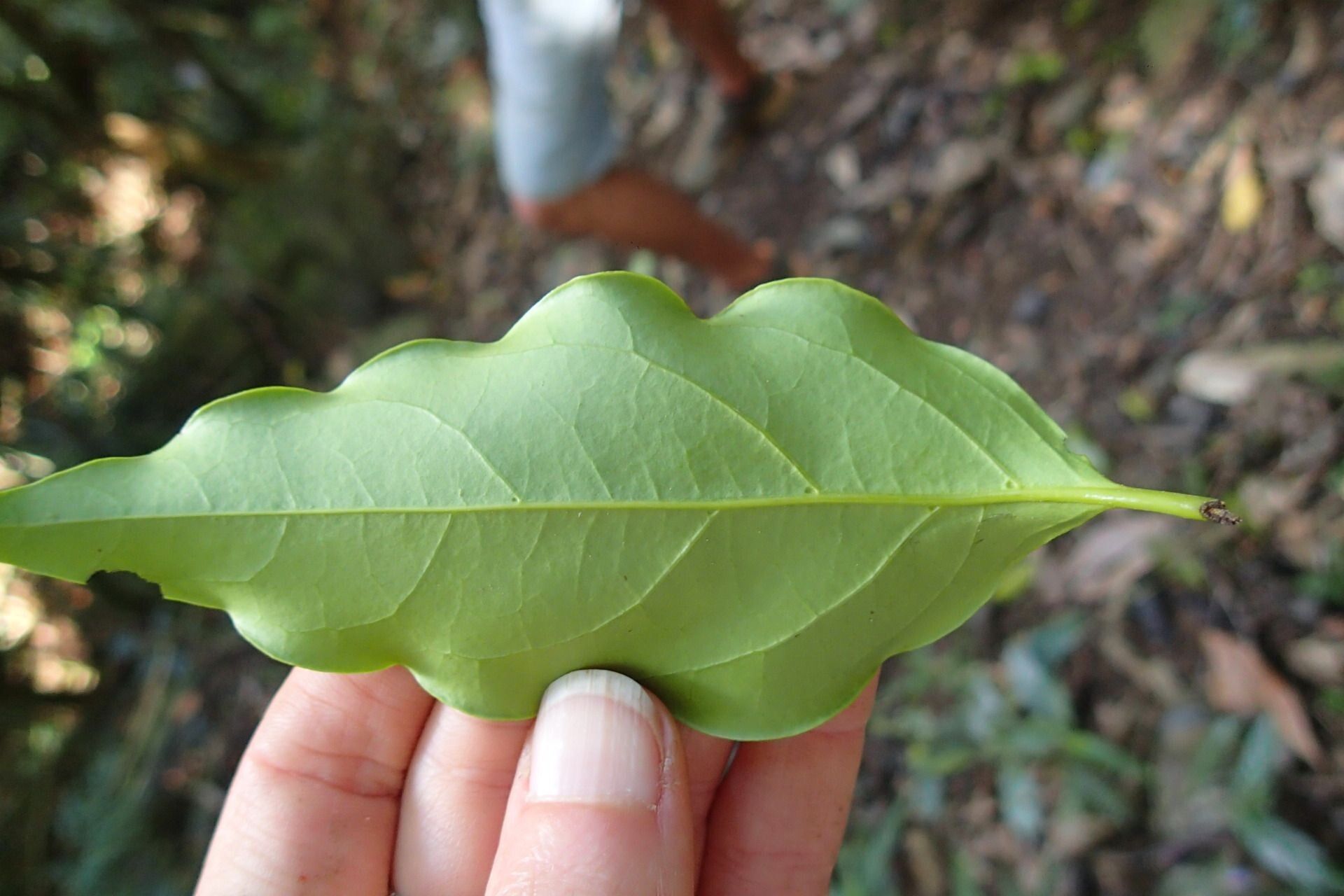
Propagating Citronella Macrocarpa: A Gardener’s Guide to the Lemon-Scented Tea Tree
Introduction:
Citronella macrocarpa, also known as the lemon-scented tea tree, is a captivating evergreen shrub prized for its fragrant, lemon-scented leaves and attractive, showy flowers. Its popularity amongst gardeners stems from its versatility – suitable for hedges, borders, or even as a standalone specimen – and its ability to thrive in a variety of conditions. However, propagating this appealing plant can present unique challenges. Successfully multiplying Citronella macrocarpa offers a significant reward for the dedicated gardener, resulting in more of this delightful and fragrant shrub. This article will explore various propagation methods, outlining their viability and offering practical advice.
Seed Germination:
Currently, there are no known reliable methods for seed germination propagation of Citronella macrocarpa. While the plant produces seeds, germination rates are notoriously low, and successful seedling establishment is extremely difficult. Further research is needed to identify optimal germination conditions for this species.
Cuttings:
Cuttings represent a more viable method for propagating Citronella macrocarpa.
Challenges: The success rate can vary depending on the timing and technique. Using semi-hardwood cuttings (taken from new growth that has begun to firm up) generally yields better results than softwood or hardwood cuttings. Proper hygiene to prevent fungal infections is vital.
Practical Tips: Take 8-10cm cuttings in late summer or early autumn. Remove lower leaves, dip the cut end in rooting hormone powder, and plant in a well-draining propagation mix (e.g., perlite and peat moss). Maintain consistently moist (not soggy) conditions and high humidity (e.g., using a humidity dome or propagator). Bottom heat will also increase the success rate.
Rewards: Cuttings offer a relatively simple and effective method for creating multiple plants genetically identical to the parent plant. This ensures consistent characteristics in terms of fragrance and appearance.
Division:
Division is a suitable propagation method, primarily for established, larger plants.
Challenges: This method is only viable for mature plants with well-developed root systems. Care must be taken during the division process to avoid damaging the roots, which can lead to the death of the plant sections.
Practical Tips: Divide the plant in spring or autumn, ensuring each division includes healthy roots and several stems. Plant the divisions immediately into well-prepared soil, watering thoroughly to settle the soil around the roots.
Rewards: Division is a quick and efficient method for multiplying established plants, and it requires less specialized equipment than other methods.
Tissue Culture:
Tissue culture offers the potential for large-scale propagation of Citronella macrocarpa.
Challenges: This method requires specialized equipment, sterile conditions, and a detailed understanding of plant tissue culture techniques. It’s more complex and costly than other methods.
Practical Tips: This is best left to experienced tissue culture specialists. Sterilizing the plant material and maintaining a sterile environment are crucial for success. Appropriate growth media and controlled environmental conditions are also vital.
Rewards: Tissue culture allows for the rapid multiplication of plants from a small amount of starting material. This is invaluable for preserving rare varieties or for commercial production.
Conclusion:
Propagating Citronella macrocarpa, while challenging, presents a rewarding experience for gardeners committed to the process. While seed germination is currently unreliable, cuttings and division offer viable options for most gardeners. Tissue culture provides a scalable solution for larger-scale propagation. The unique fragrance and beauty of this plant make the effort worthwhile. Remember patience and consistent care are key to success. For those eager to grow more of this remarkable shrub, start with cuttings, and don’t be discouraged by initial setbacks; the satisfaction of cultivating these fragrant plants from your own propagations is truly unparalleled.