
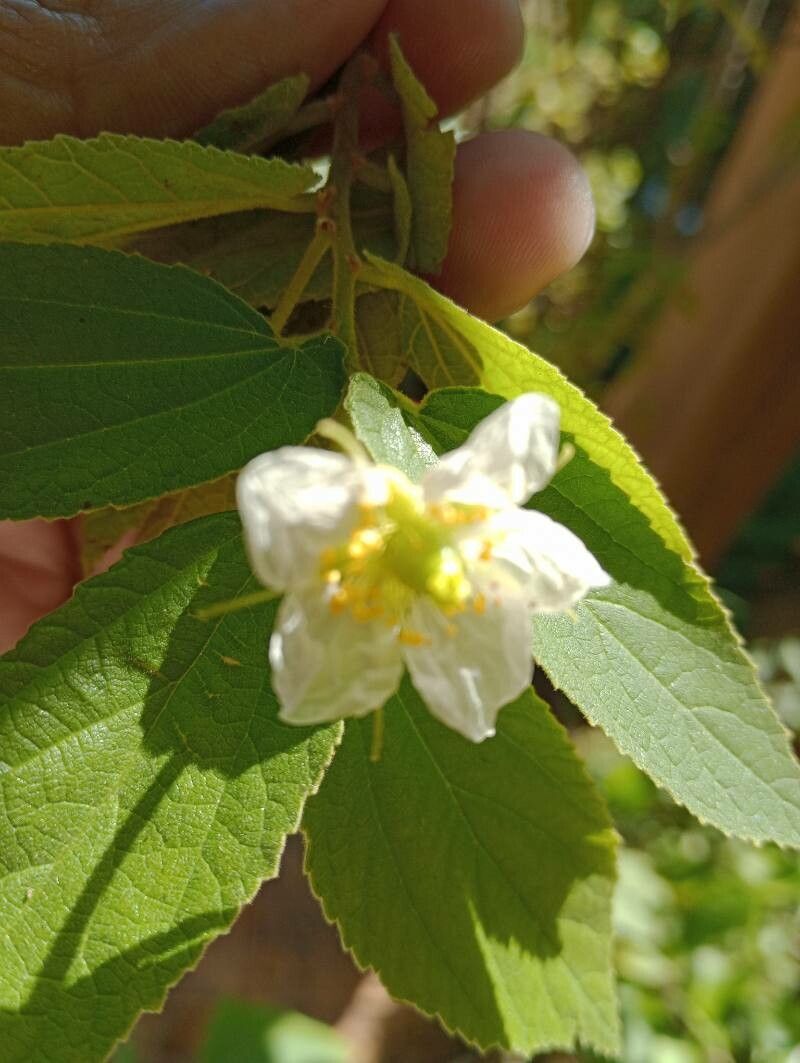
Propagating Grewia laevigata: Cultivating the Crossberry
Introduction:
Grewia laevigata, commonly known as the crossberry, is a captivating shrub appreciated for its attractive, often variegated foliage, and its edible, sweet-tart berries. Its relatively drought-tolerant nature and adaptability to various soil types contribute to its growing popularity among gardeners, especially those seeking low-maintenance, yet visually appealing additions to their landscapes. However, the propagation of Grewia laevigata presents some unique challenges, making successful cultivation all the more rewarding. While several methods can be employed, the success rate varies significantly between them.
Seed Germination:
Currently, there are no known reliable methods for seed germination propagation of Grewia laevigata. While seeds may be produced, their germination rate is reportedly very low, and often inconsistent. Factors such as dormancy, seed viability, and specific environmental conditions required for successful germination remain largely unstudied and undocumented. Further research is needed to establish a reliable seed propagation protocol.
Cuttings:
Cuttings offer a more reliable method for propagating Grewia laevigata compared to seed germination.
Challenges: Success depends heavily on the timing, the type of cutting (softwood, semi-hardwood, hardwood), and the provision of optimal conditions for rooting. Using rooting hormone can significantly enhance the success rate.
Practical Tips: Semi-hardwood cuttings taken in late spring or early summer generally show the best results. These cuttings should be approximately 4-6 inches long, taken from the current year’s growth. The lower leaves should be removed to prevent rotting, and the cut ends dipped in rooting hormone before planting in a well-draining propagating mix (e.g., perlite and peat moss). Maintaining high humidity (a humidity dome or misting is highly beneficial) and sufficient warmth are crucial.
- Rewards: Cuttings provide a faster way to produce numerous plants genetically identical to the parent plant, preserving desirable traits. This method is suitable for both home gardeners and nurseries.
Division:
Division is a viable method, but its applicability is limited.
Challenges: Grewia laevigata, while branching, doesn’t necessarily produce readily separable clumps or suckers like some other shrubs. Dividing the plant may risk damage to the root system, hindering the survival of the divided portions.
Practical Tips: If division is attempted, it should be done during the dormant season (late autumn or early spring) carefully separating the root ball into distinct sections, ensuring each section possesses adequate roots and shoots. Replanting immediately in well-prepared soil is essential.
- Rewards: It is a quick method to increase the number of plants, provided the plant is mature enough and the division is carefully executed.
Tissue Culture:
Tissue culture offers a potential, albeit specialized, avenue for propagating Grewia laevigata.
Challenges: Establishment of a successful protocol requires specialized knowledge and equipment, making it an expensive and resource-intensive method primarily suited for commercial propagation or research settings. Developing the optimal media and growth regulators for Grewia laevigata would require significant experimentation.
Practical Tips: The process typically involves sterilizing plant material, placing it onto nutrient agar, and then subculturing resulting shoots into new media. This is a complex process requiring specialized laboratory equipment and expertise.
- Rewards: Large-scale propagation becomes possible, offering significant potential for conservation and commercial applications, generating disease-free plantlets in a precisely controlled environment.
Conclusion:
Propagating Grewia laevigata presents both challenges and rewards. While seed germination remains unreliable, cuttings provide a practical and relatively successful method for most gardeners. Division is possible but limited by the plant’s growth habit. Tissue culture offers a pathway for high-volume propagation but necessitates expertise and resources. The satisfaction of nurturing a crossberry from a cutting, overcoming the inherent difficulties, is immense. The knowledge gained throughout the process, from battling fungal issues to mastering the art of humidity control, adds another layer to the enjoyment of cultivating this delightful shrub. For aspiring propagators, patience, observation, and persistence are key to success—the rewards of thriving crossberries make the effort well worth it.