
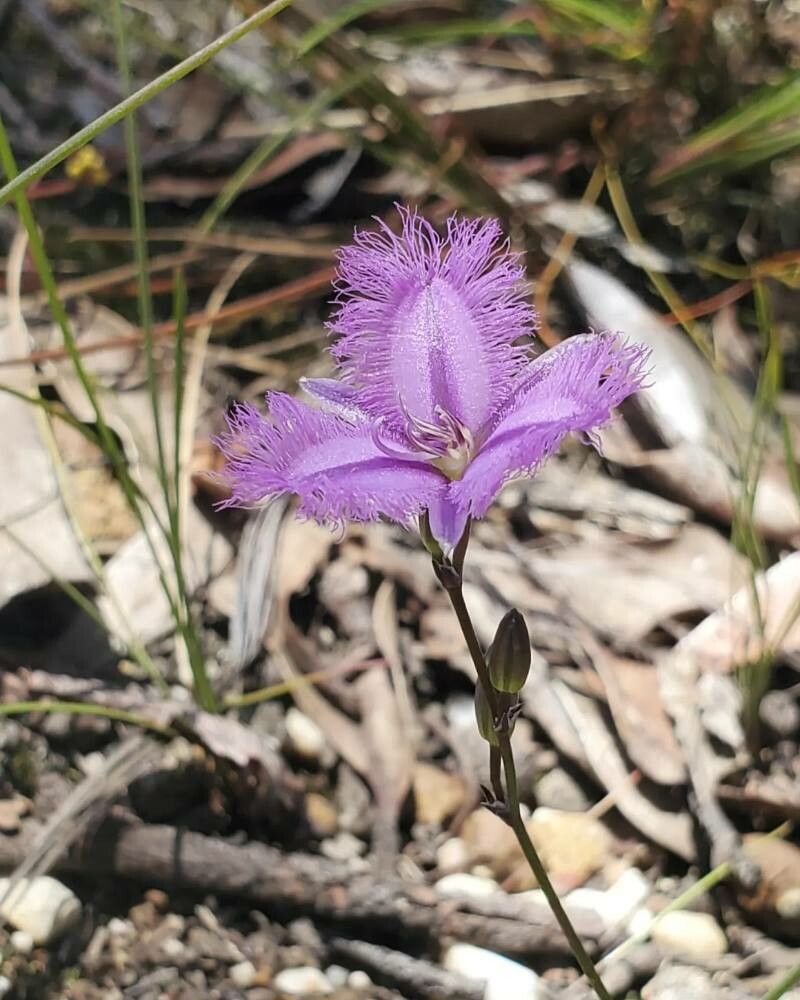
Propagating the Fringed Lily: A Guide to Thysanotus tuberosus
Introduction
Thysanotus tuberosus, commonly known as the fringed lily, is a charming Australian native perennial prized for its delicate, star-like flowers and grassy foliage. Its elegant blooms, often in shades of blue, purple, or white, make it a sought-after addition to native gardens and rock gardens. However, its propagation presents some challenges, making successful cultivation all the more rewarding. This article explores various methods of propagating Thysanotus tuberosus, weighing their effectiveness and potential difficulties.
Seed Germination
Currently, there are no known reliable methods for seed germination propagation of Thysanotus tuberosus. While the plant produces seed, germination rates are extremely low, and success is largely anecdotal. Further research into specific germination requirements, including potential stratification techniques, is needed before seed propagation can be considered a viable option for the average gardener.
Cuttings
Cuttings are not a reliable method for propagating Thysanotus tuberosus. The plant’s structure doesn’t readily lend itself to this technique. Attempts at stem or leaf cuttings have shown very low success rates, likely due to a combination of factors including difficulty in rooting and susceptibility to fungal diseases.
Division
Division is the most reliable and practical method for propagating Thysanotus tuberosus. The plant produces underground tubers, and these can be carefully separated during dormancy (typically late autumn or winter).
Challenges: Successfully dividing tubers requires caution to avoid damaging them, which can lead to rotting. The tubers are relatively small and fragile, requiring gentle handling.
Practical Tips: Dig up the established plant, gently loosen the soil around the tubers, and carefully separate them using a sharp, clean knife or trowel. Ensure each division has healthy roots and some foliage. Replant the divisions immediately into well-drained, sandy soil in a location with similar conditions to the mother plant.
Rewards: Division offers a simple, efficient method to increase the number of plants, ensuring genetic consistency. It’s also relatively quick and highly successful when done correctly.
Tissue Culture
Tissue culture presents a potential, though specialized, method for propagating Thysanotus tuberosus. It offers the possibility of large-scale propagation and disease-free plants.
Challenges: Tissue culture requires a sterile laboratory environment, specific nutrient media, and expertise in sterile techniques. It is a costly and time-consuming method, generally only feasible for commercial propagation or research purposes.
Practical Tips: This method would require specialized knowledge and equipment unavailable to most home gardeners. Consider collaborating with a university or professional plant propagation facility if this method is desired.
Rewards: High multiplication rate, disease-free plants, genetic uniformity (if desired), and potential for mass production.
Conclusion
Propagating Thysanotus tuberosus presents unique challenges, with division emerging as the most practical method for home gardeners. While seed germination and cuttings are currently unreliable, tissue culture offers potential for large-scale production but requires specialized expertise and resources. The effort involved in successful propagation, however, is rewarded by the beauty and charm of this remarkable native plant. The satisfaction derived from nurturing a single tuber into a thriving clump of fringed lilies is a testament to the dedication of the gardener and the intrinsic resilience of this elegant species. For aspiring propagators, starting with division offers the highest chance of success and a rewarding introduction to the world of Thysanotus tuberosus.